
Introduction
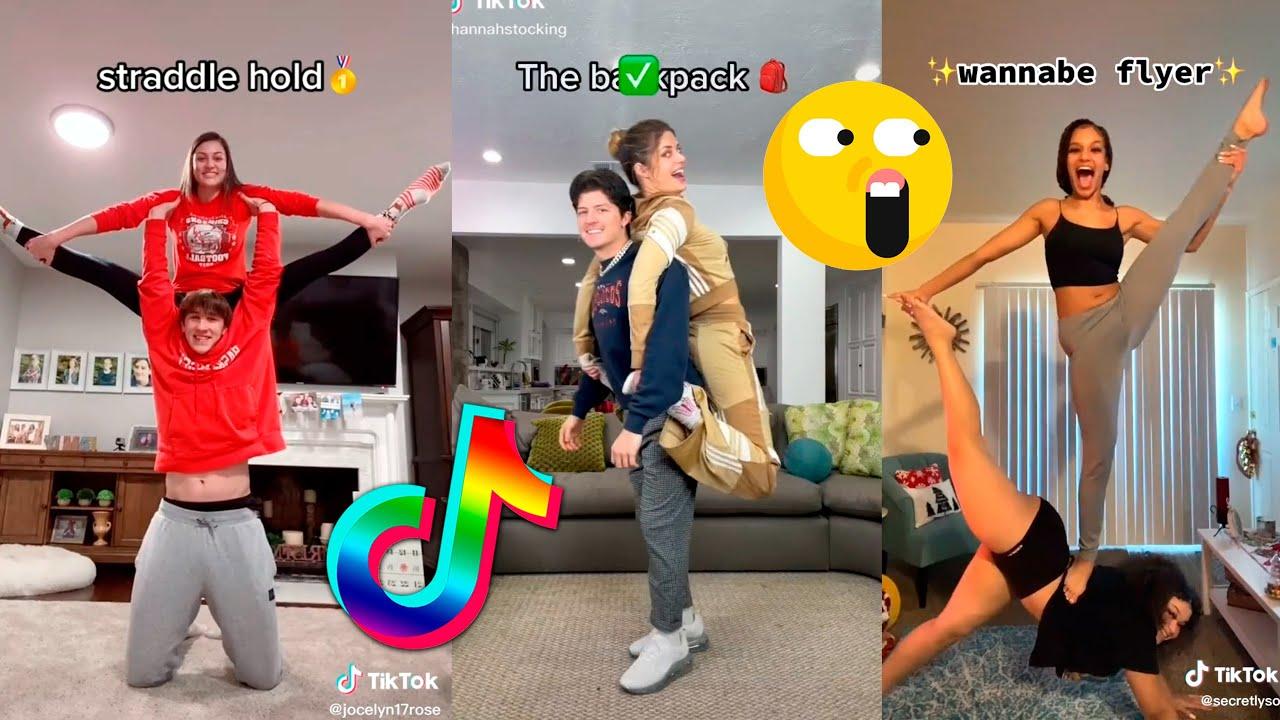
In recent years, TikTok has emerged as a formidable force in social media, transforming the ways in which users interact, create content, and engage with communities. Central to this phenomenon are TikTok challenges—short, often themed prompts that encourage users to produce and share videos in response. These challenges not only serve as entertainment but also play a crucial role in fostering community engagement and cultural exchange among diverse user groups. This article aims to explore the dynamics of TikTok challenges, examining their mechanisms, appeal, and impact on community cohesion. By analyzing user participation patterns and the sociocultural implications of these online interactions, we seek to understand how TikTok challenges facilitate connections, empower marginalized voices, and contribute to the creation of a vibrant digital community. Leveraging a combination of qualitative and quantitative research methodologies, this study will provide insights into the transformative potential of TikTok as a platform for collective expression and social bonding in the 21st century.
Table of Contents
- Understanding the Role of TikTok Challenges in Community Building
- Analyzing User Engagement Patterns Through Viral Challenges
- Strategic Recommendations for Brands to Leverage TikTok Challenges
- Evaluating the Impact of Challenges on User Identity and Social Connection
- Closing Remarks
Understanding the Role of TikTok Challenges in Community Building
TikTok challenges serve as a catalyst for community engagement by creating shared experiences that transcend geographical boundaries. When users participate in a trending challenge, they’re not just showcasing their creativity; they’re joining a larger conversation that fosters a sense of belonging. This communal participation encourages users to interact with each other through comments, shares, and duets, effectively transforming individual content creation into collaborative storytelling. As a result, this shared experience can help establish a vibrant community where participants celebrate diversity while uniting over common interests, be it dance, art, or even social causes.
The dynamic nature of TikTok challenges promotes continuous interaction among users, allowing communities to evolve and grow over time. Challenges often have built-in incentives, such as rewards or recognition, further motivating participants to engage wholeheartedly. Additionally, the following aspects play a crucial role in enhancing community bonding:
- Inclusivity: Open participation allows anyone to join, diversifying the community.
- Creativity: Encouraging unique interpretations fosters collaboration and innovation.
- Feedback Mechanism: Comments and shares provide validation that strengthens connections.
- Virality: The rapid spread of trends creates urgency and excitement, drawing more participants.
Analyzing User Engagement Patterns Through Viral Challenges
The phenomenon of viral challenges on platforms like TikTok has transformed not only how users create and consume content but also the way in which they engage with one another. These challenges, often characterized by catchy music and simple, repeatable actions, invite participants from diverse backgrounds to join a collective experience. As users partake, they exhibit a range of behaviors significantly contributing to community engagement. Consider the following factors driving this interaction:
- Shared Experiences: Participants feel a sense of belonging as they contribute to a larger narrative, sharing their unique interpretations of a challenge.
- Social Interaction: Challenges often encourage tagging friends, fostering increased interaction and collaboration among users.
- Motivation to Create: The viral nature of challenges provides users with inspiration and motivation to produce content, which can lead to higher rates of participation.
Furthermore, engagement can be quantitatively analyzed through metrics such as views, shares, and comments. These indicators allow brands and creators to gauge the virality of challenges and their impact on user engagement. The following table summarizes key metrics linked to specific challenges:
| Challenge Name | Average Views | Engagement Rate (%) |
|---|---|---|
| #DanceChallenge | 2.5M | 15% |
| #LipSyncBattle | 1.8M | 12% |
| #CookingChallenge | 1.2M | 10% |
By analyzing these engagement patterns, marketers can tailor their content strategies to harness the power of viral challenges, ultimately bridging the gap between brands and communities. Understanding the dynamics of user participation in these challenges provides valuable insights into consumer behavior and the effectiveness of influencer marketing within this vibrant ecosystem.
Strategic Recommendations for Brands to Leverage TikTok Challenges
Engaging with TikTok challenges can significantly enhance brand visibility and community interaction. To make the most of this platform, brands should prioritize authenticity when crafting challenges. This means allowing users to express their creativity without restrictive guidelines. A challenge that resonates organically tends to yield better participation. Brands can also consider collaborating with popular TikTok influencers who align with their values to amplify reach, thereby fostering a sense of community around the challenge. To encourage engagement, brands should create eye-catching visuals and maintain a consistent posting schedule, making the challenge accessible to a broader audience.
Additionally, leveraging user-generated content (UGC) can transform participation into a vibrant conversation within the community. Brands should actively promote UGC by featuring standout submissions on their official channels, thereby recognizing participants and motivating others to join. A well-structured incentive program, including giveaways or shoutouts, can further enhance participation. The following table outlines effective incentive ideas:
| Incentive Type | Description |
|---|---|
| Feature in Brand Content | Highlight user creations on your page, giving credit to the creator. |
| Exclusive Discounts | Offer a discount code to participants for their next purchase. |
| Prizes and Giveaways | Enter participants into a draw for a chance to win branded merchandise. |
Evaluating the Impact of Challenges on User Identity and Social Connection
The dynamic landscape of TikTok challenges serves as both a canvas for self-expression and a platform for building social connections. When users participate in these trending challenges, they often engage in shared experiences that enhance their sense of belonging. This collective participation is particularly significant as it allows individuals to express their identities within a larger community framework. By creating content that aligns with specific challenges, users often showcase their unique skills and perspectives, while simultaneously finding common ground with others. Such engagements can lead to the formation of supportive social networks characterized by collaboration and mutual encouragement.
Moreover, the impact of these challenges extends beyond mere entertainment. They can foster a sense of empowerment and encourage participants to redefine their identities in ways that resonate with the community. The following factors illustrate how TikTok challenges influence user identity and social connections:
- Inclusivity: Challenges often invite varied interpretations, allowing participants from diverse backgrounds to contribute their unique voices.
- Collaboration: Many challenges encourage duet features, enabling users to interact and collaborate directly with others, enhancing interpersonal connections.
- Feedback Mechanism: Community recognition through likes and comments bolsters individual confidence and encourages continuous engagement.
Closing Remarks
TikTok challenges represent a significant cultural phenomenon that extends beyond mere entertainment, embodying a unique mechanism for fostering community engagement. Through their interactive and participatory nature, these challenges have created spaces where users can express creativity, forge connections, and cultivate a sense of belonging. The viral nature of these challenges not only promotes individual participation but also encourages collective experiences that resonate across demographic boundaries.
Future research should delve deeper into the implications of these challenges on social dynamics, mental health, and community identity. Moreover, as the platform continues to evolve, it will be essential for scholars, marketers, and community leaders to understand the nuanced ways in which TikTok challenges can be harnessed to promote positive social change. By appreciating the intricacies of user engagement and the potential for communal bonds, we can better leverage the power of digital platforms to enhance social cohesion in an increasingly fragmented world.