
Title:
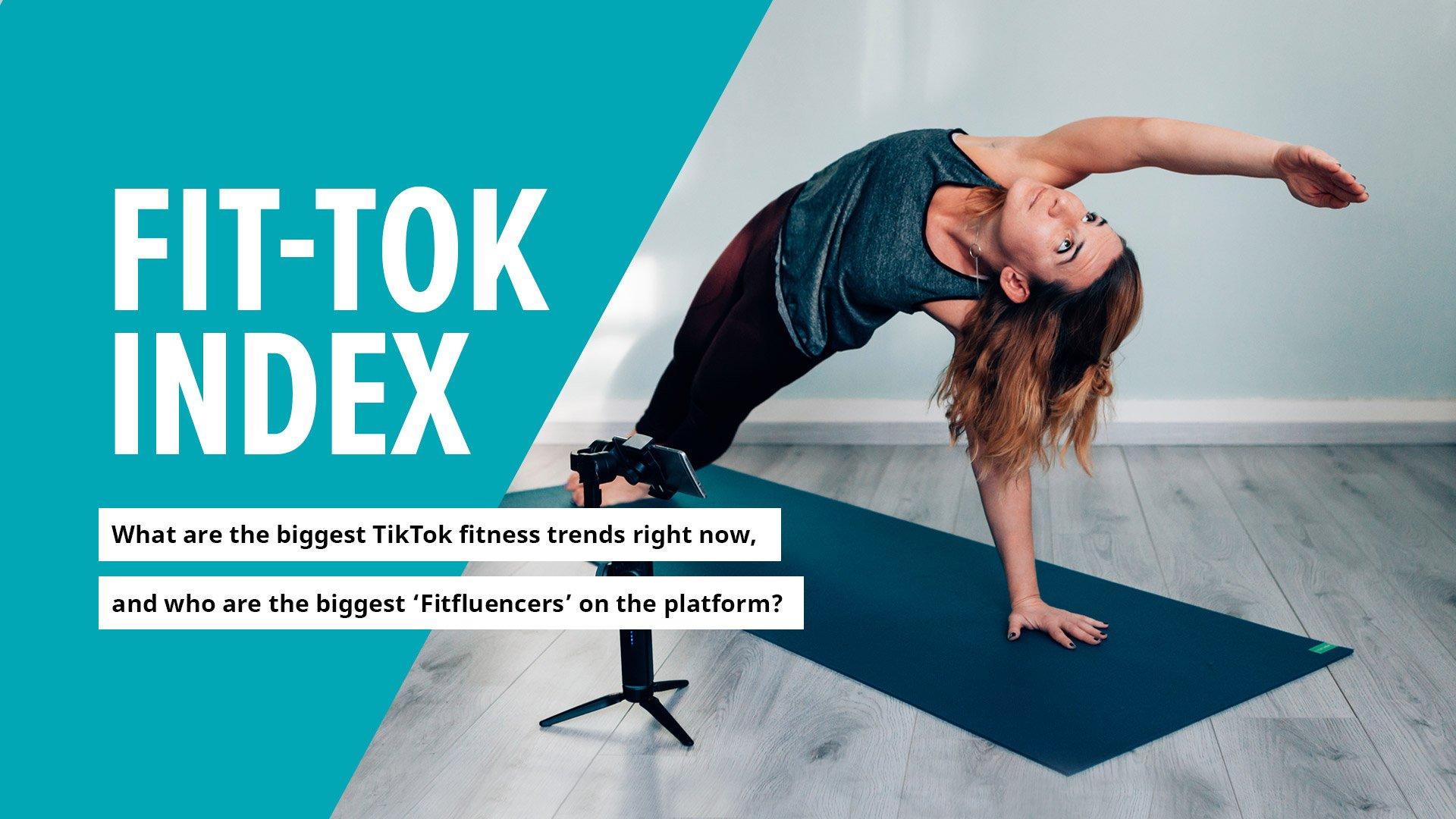
In an age where social media influences nearly every aspect of our lives, TikTok has emerged as a powerful force in the fitness and health landscape. With its dynamic short-form videos and vast reach, the platform has redefined how individuals engage with wellness, nutrition, and exercise. From viral workout challenges to bite-sized nutritional advice, TikTok is not just a hub for entertainment; it is rapidly becoming a catalyst for change in health behaviors and trends. This article explores the ways in which TikTok is revolutionizing the fitness world, highlighting key trends, the impact of user-generated content, and the implications for health professionals and consumers alike. As we delve into this phenomenon, it becomes clear that TikTok is more than just a fleeting trend—it’s a shaper of contemporary health culture.
Table of Contents
- Influence of Viral Challenges on Fitness Routines
- Impact of Fitness Content Creators on Consumer Health Choices
- The Role of TikTok in Promoting Mental Wellness Practices
- Leveraging TikTok for Effective Health Education and Awareness
- To Wrap It Up
Influence of Viral Challenges on Fitness Routines
The rapid rise of viral challenges on platforms like TikTok has dramatically transformed how fitness routines are developed and shared. Users are increasingly motivated to engage in these challenges, which often incorporate fun elements and a sense of community. These challenges encourage participants to push their limits while fostering a healthy competition among peers. This has led to a surge in user-generated content, with individuals showcasing their progress and inspiring others to join in. Notably, the impact of challenges can be observed in the diversity of workouts being adopted, such as:
- Dance-Based Challenges: Many users are incorporating choreography into their routines, making exercise enjoyable.
- Short-Hit Workouts: These quick, intense challenges attract time-strapped individuals looking for effective fitness solutions.
- Collaborative Workouts: Individuals partner up to complete challenges, building social connections and accountability.
Moreover, the accessibility of these viral challenges means that anyone with a smartphone can participate, allowing fitness routines to transcend typical gym environments. Social media influencers are frequently at the forefront, creatively adapting popular challenges to fit different fitness levels and goals. As a result, trends often shift based on seasonal challenges or viral sensations, leading to an ever-evolving landscape of workout routines. A noteworthy example can be seen in the following table:
| Viral Challenge | Focus Area | Duration | Popularity |
|---|---|---|---|
| Squat Challenge | Lower Body Strength | 30 Days | ⭐️⭐️⭐️⭐️⭐️ |
| Plank Challenge | Core Strength | 28 Days | ⭐️⭐️⭐️⭐️ |
| Dance Workout Challenge | Cardio & Flexibility | 1 Week | ⭐️⭐️⭐️⭐️⭐️⭐️ |
Impact of Fitness Content Creators on Consumer Health Choices
The rise of fitness content creators on social media platforms like TikTok has revolutionized the way individuals approach their health and wellness. With captivating visuals and catchy soundtracks, these influencers deliver bite-sized workouts, nutrition tips, and motivational content that resonate with a diverse audience. This trend has led to:
- Increased Accessibility: Information once confined to the realms of gyms and nutritionists is now available to anyone with a smartphone.
- Community Building: Users can share their journeys and challenges, fostering a sense of belonging and collective motivation.
- Instant Feedback: Creators often engage with followers, providing immediate advice and encouragement, enhancing user experience.
Moreover, the influence of these creators extends to shaping consumer perceptions around diets and fitness regimens. Many users are drawn to trendy programs promoted by their favorite influencers without thorough research, sometimes leading to unsubstantiated practices. Key factors contributing to these health choices include:
- Visual Appeal: Eye-catching videos make even the more complex workouts seem approachable.
- Trend Setting: Challenges and fads can go viral, pushing viewers to adopt new health trends swiftly.
- Lack of Regulation: Unlike traditional health channels, social media lacks oversight, making it crucial for consumers to evaluate the credibility of the information they receive.
The Role of TikTok in Promoting Mental Wellness Practices
TikTok has emerged as a powerful platform for fostering mental wellness, taking center stage in the discourse surrounding self-care and emotional health. With its vibrant community, users share practical tips and personal experiences that resonate widely. This has led to a surge in the popularity of mental wellness practices such as meditation, mindfulness, and journaling. Notable trends include viral challenges that encourage users to engage in daily affirmations or gratitude prompts, promoting a collective mentality towards mental well-being. Through catchy sounds and relatable visuals, these practices become accessible and enjoyable, thus broadening their appeal.
Moreover, TikTok serves as a valuable tool for mental health advocacy, breaking down stigma and encouraging open discussions about mental illness. Creators frequently collaborate with mental health professionals, providing evidence-based content that educates viewers on topics such as anxiety, depression, and coping strategies. This democratization of knowledge helps individuals understand their mental health better, fostering a supportive online environment. The platform’s algorithm enhances visibility for underrepresented voices, ensuring a diversity of perspectives, which can be crucial for users seeking connection or inspiration in their wellness journeys.
Leveraging TikTok for Effective Health Education and Awareness
TikTok has become an unexpected powerhouse in the realm of health education, attracting millions of users eager to share and absorb information about fitness and wellness. With its short-form video format, TikTok allows health professionals, influencers, and everyday users to create engaging content that simplifies complex health topics. By using catchy challenges, easily digestible tips, and visually striking demonstrations, creators can effectively communicate essential information to diverse audiences. Topics such as nutrition tips, workout routines, and mental health awareness thrive on the platform, making it an effective tool for educating the public.
The platform’s algorithm also plays a crucial role in promoting valuable health content. As users engage with specific videos, the algorithm curates a personalized feed that amplifies relevant information based on user interests. To maximize reach and impact, content creators are encouraged to utilize hashtags strategically and participate in trending challenges that align with health education. For example, a designated challenge focusing on healthy meal prep or mindfulness exercises can lead to a ripple effect, inspiring wide participation and spreading awareness. The combination of relatable content and user engagement fosters a dynamic environment where health education is not only accessible but also actively promoted.
To Wrap It Up
TikTok has emerged as a transformative force in the health and fitness landscape, reshaping how individuals approach wellness through its unique blend of creativity, community, and accessibility. As trends rapidly evolve, platforms like TikTok not only amplify innovative workout routines and nutrition tips but also democratize health information, enabling a diverse array of voices to contribute to the dialogue surrounding fitness. However, as with any digital movement, it is crucial for users to remain discerning and informed when engaging with content. By harnessing the power of social media responsibly, individuals can leverage TikTok as a motivational tool in their personal health journeys. As we move forward, the intersection of technology and fitness will undoubtedly continue to evolve, shaping not just how we exercise, but how we perceive overall wellness in a fast-paced digital age.