
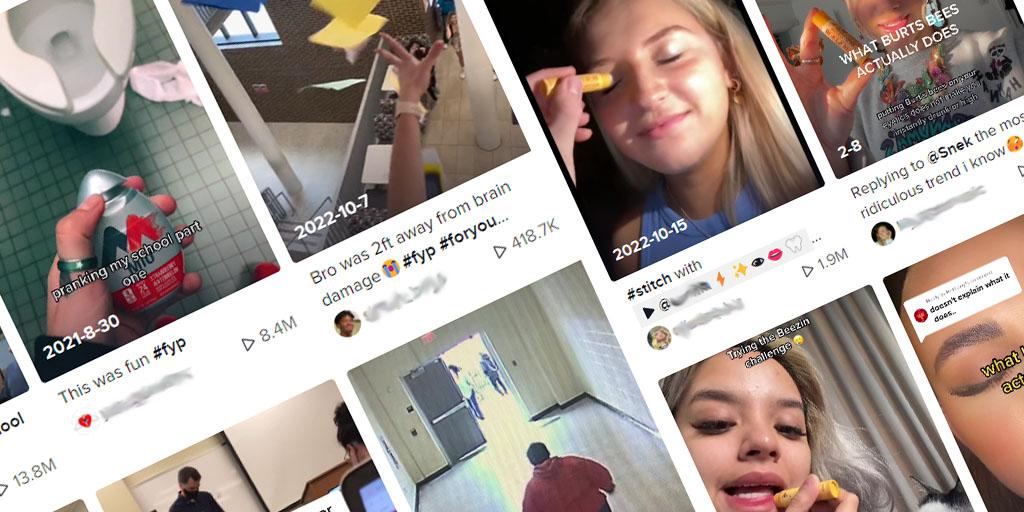
In the dynamic landscape of digital marketing, TikTok has rapidly emerged as a powerful platform for brands aiming to engage with a youthful and diverse audience. With its emphasis on creativity, authenticity, and virality, TikTok provides unique opportunities for brands to connect with consumers in ways that traditional marketing channels cannot match. Central to this engagement are TikTok challenges—trending activities that encourage user participation and foster community interaction. However, creating an effective TikTok challenge requires more than just a catchy hashtag; it demands a strategic understanding of both the platform’s algorithms and the interests of its users. This article explores the essential elements of crafting TikTok challenges that not only capture attention but also drive brand loyalty and enhance consumer engagement. By examining successful case studies and actionable insights, we aim to equip brands with the tools necessary to navigate the intricacies of this vibrant platform and harness the full potential of viral trends.
Table of Contents
- Understanding the Psychology Behind Viral Challenges
- Sourcing Authentic Content Creators for Your Campaign
- Measuring Success: Key Metrics for Evaluating Engagement
- Best Practices for Sustaining Momentum After the Challenge
- In Conclusion
Understanding the Psychology Behind Viral Challenges
At the core of viral challenges lies an intricate web of psychological motivations that drive individuals to participate and share. Social validation plays a crucial role; as participants engage with a challenge, they seek acknowledgment from peers, enhancing their self-esteem through likes and comments. Additionally, the element of competition ignites the desire for users to outdo one another, fueling creativity and innovation in their submissions. This creates a sense of community, as participants feel connected through shared experiences, encouraging them to spread the challenge further within their networks.
Moreover, the simplicity and accessibility of many viral challenges make them appealing to a wide audience. When a challenge is easy to understand and execute, it lowers the barrier to entry and invites more participants. Emotional triggers, such as humor, nostalgia, or surprise, can further increase shareability, making it more likely that the challenge will spread across various demographics. For brands, understanding these psychological drivers is essential for crafting challenges that not only resonate with their target audience but also amplify engagement and brand loyalty.
Sourcing Authentic Content Creators for Your Campaign
To make the most of your TikTok challenges, prioritizing authenticity in content creators is essential. Look for individuals who genuinely resonate with the platform’s culture and speak to your audience. This type of creator often has a loyal following that values their unique perspective, which can significantly amplify your campaign’s reach. When evaluating potential creators, consider the following criteria:
- Engagement Rates: Check how often their followers interact with their content.
- Content Style: Ensure their style aligns with your brand’s message and values.
- Diversity: Select a roster of creators that reflect the demographics of your target audience.
Building a relationship with these creators fosters genuine connections that can enhance the authenticity of your challenge. It’s vital to engage them in the creative process—solicit their input to create content formats that suit their style while still delivering your brand message. Providing them with clear guidelines while also allowing creative freedom can lead to more memorable and relatable content. Consider using a straightforward assessment table for comparing potential creators:
| Creator Name | Follower Count | Engagement Rate | Content Themes |
|---|---|---|---|
| Emily Lewis | 500k | 8.5% | Fashion, Lifestyle |
| Mark Chen | 350k | 10.2% | Tech Reviews |
| Jasmine Taylor | 800k | 12.0% | Fitness, Wellness |
Measuring Success: Key Metrics for Evaluating Engagement
To effectively gauge the impact of your TikTok challenges, it’s essential to focus on several key metrics that provide insight into user engagement. Engagement Rate is a fundamental metric that reflects the percentage of interactions (likes, comments, shares) relative to the total views of your challenge. Tracking this will help you understand how well your content resonates with the audience. Additionally, Completion Rate measures how many viewers watched your video from start to finish. A high completion rate signals that the challenge captured attention effectively, while low rates might indicate a need for more captivating content or an engaging hook.
Another critical metric to monitor is User-Generated Content (UGC), showcasing how many users participated in your challenge. The volume of UGC not only reflects the challenge’s popularity but also the depth of engagement it inspired. Furthermore, assessing Follower Growth Rate during and after the challenge can provide insights into its effectiveness in attracting new audience members. You can organize these metrics into a table for an at-a-glance overview:
| Metric | What It Measures | Significance |
|---|---|---|
| Engagement Rate | Interactions vs. Views | Indicates content resonance |
| Completion Rate | Viewership from start to finish | Reflects audience interest |
| User-Generated Content | Participation in the challenge | Measures challenge impact |
| Follower Growth Rate | New followers gained | Shows brand attractiveness |
Best Practices for Sustaining Momentum After the Challenge
Maintaining the energy generated during a TikTok challenge requires strategic follow-up actions that are both engaging and meaningful. Brands should consider fostering a sense of community by encouraging participants to share their challenge experiences even after it concludes. Utilizing user-generated content can keep the excitement alive; showcase the best entries on your brand’s social media channels or create a highlight reel. This not only recognizes participants but also encourages others to engage with your brand in the future. Furthermore, share behind-the-scenes content about the making of the challenge or a recap that includes insights and fun moments, giving followers something to look forward to.
In addition to continued engagement, capitalize on the challenge’s success to launch related initiatives or campaigns. Consider hosting live Q&A sessions where fans can ask questions or discuss their experiences. Additionally, develop loyalty rewards for frequent participants, reinforcing a long-term relationship with your audience. Providing exclusive content, such as tutorials or tips on how to create engaging TikTok videos, can position your brand as a resource and solidify your community ties. Below is a table summarizing the actions to maintain engagement:
| Action | Description |
|---|---|
| Showcase User Content | Highlight participant entries on your brand’s social media. |
| Host Live Q&As | Engage with your audience directly to discuss their experiences. |
| Exclusive Content | Offer tutorials or tips for creating engaging content. |
| Loyalty Rewards | Introduce incentives for recurring participants. |
In Conclusion
crafting effective TikTok challenges is an innovative strategy for brands seeking to enhance engagement and connect authentically with their audience. By aligning challenges with brand values, encouraging creativity, and leveraging user-generated content, companies can create memorable experiences that resonate with TikTok’s dynamic user base. As we move deeper into the digital age, the ability to harness the viral nature of social media platforms like TikTok will be paramount to achieving lasting customer loyalty and expanding brand reach. By implementing the best practices discussed, brands can not only elevate their social media presence but also foster a community of enthusiastic participants who champion their message. The potential for growth and visibility through well-executed TikTok challenges is significant; thus, organizations are encouraged to embrace this vibrant platform and its unique forms of engagement. As the digital landscape evolves, those who adapt and innovate will lead the way in brand storytelling and audience connection.