
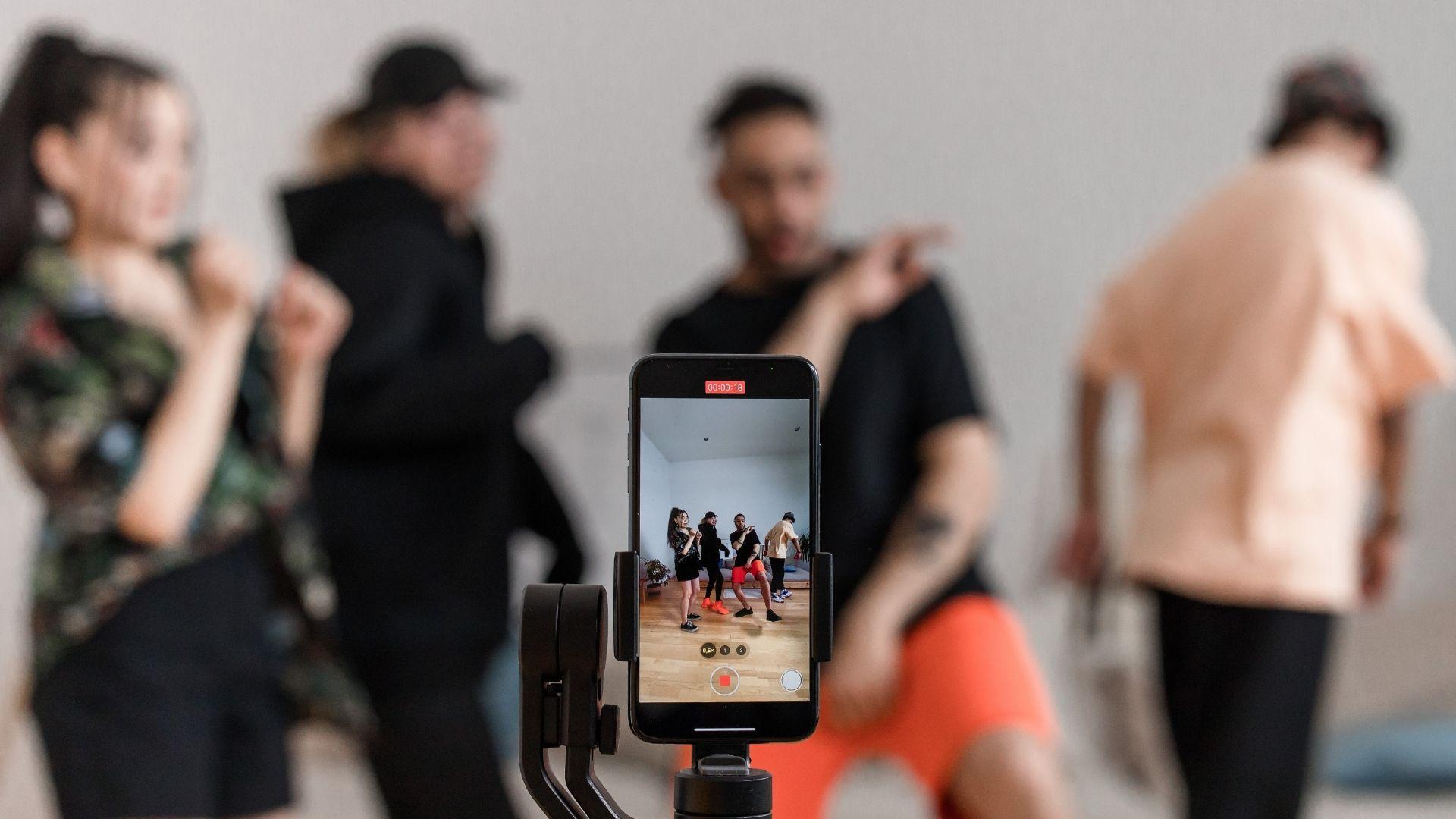
In the rapidly evolving landscape of digital content creation, two platforms stand out as leaders in the field: TikTok and YouTube. Each offers unique advantages, catering to distinct audiences and fostering different creative approaches. TikTok, with its emphasis on short-form, engaging video snippets, has revolutionized content consumption, allowing creators to convey messages and entertain viewers in a matter of seconds. Conversely, YouTube remains a stalwart for long-form content, demonstrating the power of storytelling and in-depth exploration of topics ranging from tutorials to documentaries. This article aims to provide a comprehensive comparison of these two influential platforms, exploring their respective strengths, ideal content strategies, and the nuances of audience engagement. By understanding the differences and potential of TikTok and YouTube, aspiring creators can harness the unique features of each platform to produce compelling video content that resonates with viewers.
Table of Contents
- Understanding the Core Differences in Audience Engagement Strategies
- Evaluating Video Creation Tools and Features on TikTok and YouTube
- Analyzing Monetization Opportunities and Revenue Models
- Exploring Best Practices for Content Strategy Across Platforms
- The Conclusion
Understanding the Core Differences in Audience Engagement Strategies
When delving into audience engagement strategies, it’s essential to recognize that TikTok and YouTube, while both video-centric platforms, foster different types of interactions. TikTok thrives on short, high-energy content that promotes quick consumption and immediate engagement. Creators often employ catchy music, rapid editing, and trending challenges to capture their audience’s attention within seconds. As a result, user engagement tends to revolve around:
- Instant gratification through easily digestible clips.
- Community-driven trends that encourage participation and sharing.
- Real-time feedback through comments and direct interactions with followers.
In contrast, YouTube’s format allows for longer, more in-depth storytelling, which fosters a different kind of viewer engagement. Here, creators can build their narratives, establish a connection through comprehensive tutorials, vlogs, or educational content. This leads to engagement strategies that include:
- Detailed analytics that help creators understand viewer retention and behavior.
- Comments and community posts to sustain dialogue with a dedicated audience.
- Subscription-based loyalty that encourages consistent viewership and relationship building.
Evaluating Video Creation Tools and Features on TikTok and YouTube
When it comes to video creation, both TikTok and YouTube offer distinct features that cater to different types of content creators. TikTok shines with its user-friendly interface, allowing users to create short-form videos with ease. The platform is packed with dynamic tools such as filters, effects, and a rich library of licensed music that enhance the creative process. Here are some standout features of TikTok:
- Intuitive Editing Tools – Easy trimming, merging, and speed adjustments.
- Sound Integration – Ability to sync videos with trending audio and music.
- Transitions and Visual Effects – Pre-set effects that elevate content quality.
In contrast, YouTube provides a robust suite of tools designed for longer, more detailed content. With its advanced editing capabilities, creators can edit videos at a granular level, including multi-track editing and comprehensive production tools that allow for intricate storytelling. Here’s what sets YouTube apart:
- In-Depth Analytics – Comprehensive data to track engagement and performance.
- End Screens and Cards – Features that encourage viewer interaction and boost watch time.
- Live Streaming Capabilities – Instant interaction with audiences and community building.
| Feature | TikTok | YouTube |
|---|---|---|
| Content Duration | Up to 10 minutes | Up to 12 hours |
| Editing Tools | Basic to Intermediate | Advanced |
| Audience Engagement | Trends and Challenges | Comments and Subscriptions |
Analyzing Monetization Opportunities and Revenue Models
When exploring the monetization landscape of TikTok and YouTube, both platforms offer unique opportunities for creators to generate income, yet their approaches significantly differ. YouTube primarily relies on its robust ad revenue model, targeting viewers through a mix of display and video ads. Creators can earn through the YouTube Partner Program, which enables monetization based on the number of views and engagement their videos achieve. Additionally, creators can diversify their revenue streams by leveraging super chats, channel memberships, and partnerships to augment their earnings potential.
In contrast, TikTok has a more fluid approach to monetization, focusing on direct creator support and brand partnerships. The TikTok Creator Fund rewards creators based on their video performance, although the payout per view can be considerably lower than on YouTube. Moreover, TikTok heavily emphasizes influencer marketing, allowing creators to collaborate with brands for sponsored content, often resulting in lucrative deals. As seen in the table below, the differing models illustrate how each platform aligns with creator goals:
| Platform | Monetization Model | Key Features |
|---|---|---|
| YouTube | Ad Revenue, Channel Memberships |
|
| TikTok | Creator Fund, Sponsored Content |
|
Exploring Best Practices for Content Strategy Across Platforms
When considering a video creation strategy, it’s essential to understand the unique strengths of each platform. TikTok thrives on short, engaging content that caters to spontaneity and creativity. Videos can range from 15 to 60 seconds, meaning the emphasis is on creating content that captivates within the first few seconds. This platform benefits from trends, challenges, and viral effects, making it crucial for creators to stay updated with current trending themes. Key best practices include:
- Emphasizing visual storytelling to grab attention quickly.
- Utilizing trending sounds and effects to enhance visibility.
- Posting regularly to maintain audience engagement and relevance.
In contrast, YouTube offers a broader canvas, allowing for longer, more detailed content that can inform and entertain. Videos can extend from a few minutes to over an hour, making storytelling and in-depth explorations of topics possible. Best practices on YouTube focus on creating higher production quality and optimizing video descriptions for search. Effective strategies include:
- Developing a captivating thumbnail and title to encourage clicks.
- Incorporating SEO-friendly keywords in the video description.
- Engaging with the audience through comments and call to actions in videos.
The Conclusion
both TikTok and YouTube offer unique advantages and challenges for content creators, making them suitable for different goals and audiences. TikTok thrives on its short, engaging format that caters to a younger demographic and encourages viral trends, making it an ideal platform for creators looking to reach a wide audience quickly. Conversely, YouTube provides a robust environment for long-form content, allowing for in-depth storytelling and more substantial engagement over time.
Ultimately, the choice between TikTok and YouTube comes down to your content strategy, target audience, and personal preference. Whether you opt for the immediacy of TikTok or the enduring nature of YouTube, understanding the strengths and limitations of each platform is essential to maximizing your video creation efforts. As the digital landscape continues to evolve, staying adaptable and informed will empower you to leverage both platforms effectively and connect with your audience in meaningful ways.