
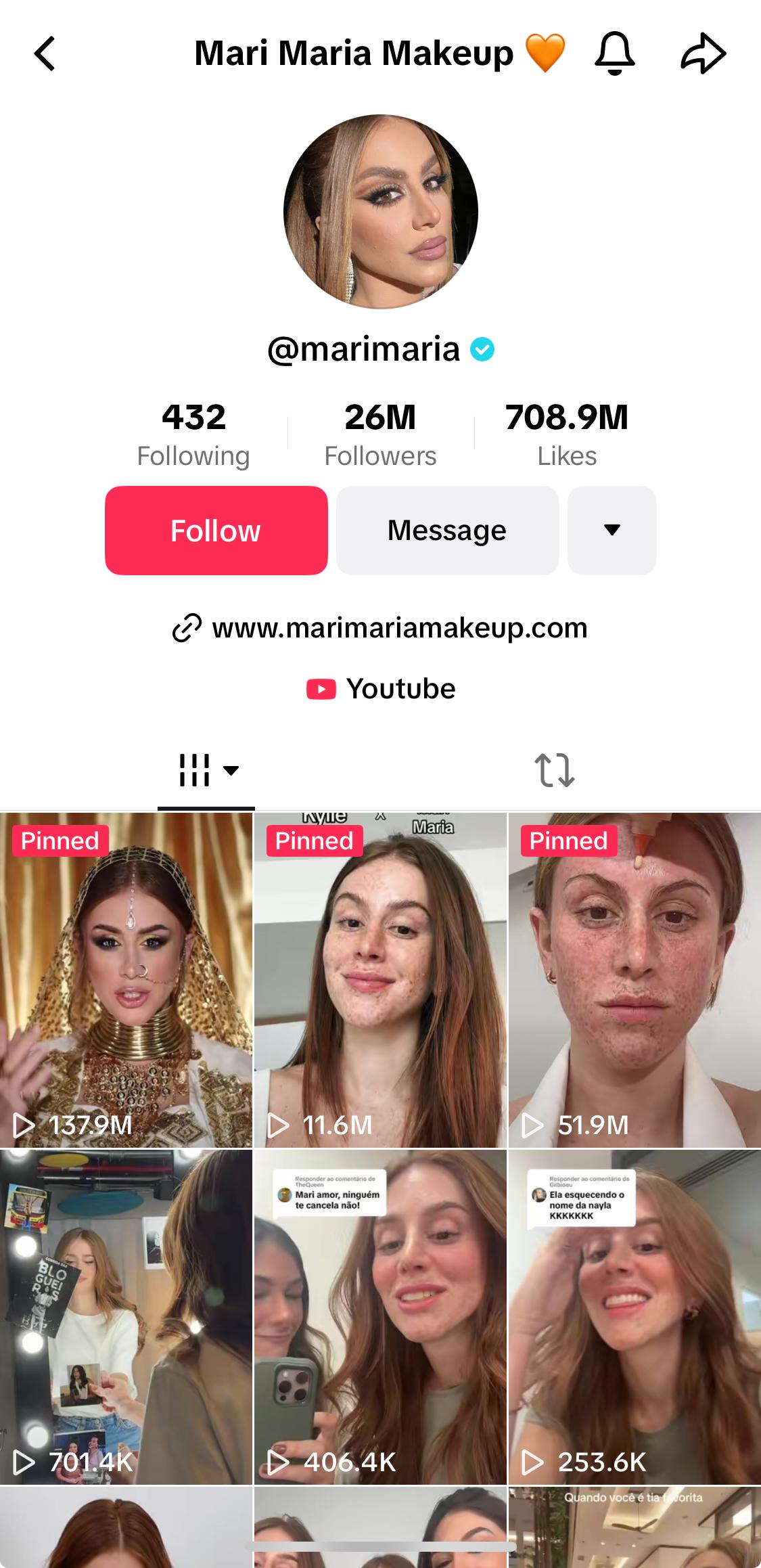
In recent years, TikTok has transformed from a quirky social media platform for dancing teens to a powerful hub for influencers across various niches. As short, engaging video content continues to capture the attention of millions worldwide, TikTok influencers are emerging as key players in the digital marketing landscape. This article delves into the rise of TikTok influencers, exploring the trends that have fueled their ascent, the unique characteristics that set them apart from influencers on other platforms, and the broader impacts they are having on marketing, consumer behavior, and even social interactions. Whether you’re a brand looking to tap into this dynamic ecosystem or simply curious about the phenomenon, join us as we unravel the fascinating world of TikTok influencers.
Table of Contents
- Understanding the Phenomenon of TikTok Influencers and Their Appeal
- Key Trends Shaping the TikTok Influencer Landscape
- The Economic Impact of TikTok Influencers on Brands and Marketing Strategies
- Best Practices for Collaborating with TikTok Influencers for Maximum Engagement
- The Way Forward
Understanding the Phenomenon of TikTok Influencers and Their Appeal
The meteoric rise of TikTok influencers has reshaped the landscape of social media marketing. These content creators, who often start as everyday users, possess a unique ability to resonate with audiences through relatable and entertaining short-form videos. Their appeal lies in their authenticity and perceived relatability, setting them apart from traditional celebrities. With a diverse range of niches from beauty and fashion to fitness and comedy, TikTok influencers attract followers who seek genuine connection and interaction, rather than mere product endorsements. This close-knit relationship encourages brand loyalty, as audiences often view influencers as friends rather than distant spokespeople.
Furthermore, TikTok’s algorithm favors creativity and engagement over follower count, allowing new influencers to emerge rapidly and gain significant visibility. This leveling of the playing field means that trends can shift overnight, making it essential for brands to stay agile and adapt their marketing strategies accordingly. Engagement metrics, such as likes and shares, have proven more essential than follower numbers in determining the effectiveness of a campaign. Brands are increasingly gravitating towards micro-influencers, who, although they may have smaller audiences, often boast higher engagement rates. The following table highlights key characteristics contributing to the appeal of TikTok influencers:
| Characteristic | Description |
|---|---|
| Authenticity | Users relate to influencers’ real-life experiences and struggles. |
| Creativity | Innovative content keeps audiences engaged and entertained. |
| Community | Followers often feel a sense of belonging and connection. |
| Trendsetters | They shape and promote new cultural trends rapidly. |
Key Trends Shaping the TikTok Influencer Landscape
The TikTok influencer landscape is rapidly evolving, driven by several key trends that reflect the platform’s dynamic nature. First and foremost, short-form content has become a pivotal part of influencer marketing, with creators mastering the art of delivering engaging messages in mere seconds. This shift necessitates influencers to harness creativity and authenticity more than ever, as audiences are increasingly drawn to content that feels genuine and relatable. Additionally, the rise of niche communities allows influencers to cater to specific interests, fostering deeper connections with their followers. This targeted approach enhances engagement metrics and encourages brands to collaborate with influencers who resonate with their audience’s values.
Another significant trend is the growing importance of user-generated content (UGC) in marketing strategies. Brands are now recognizing the value of integrating UGC within their campaigns, leveraging TikTok influencers to amplify authentic consumer experiences. This symbiotic relationship helps boost brand credibility and foster trust among potential customers. Moreover, cross-platform integration has surged in popularity, with influencers promoting their TikTok content on other social media platforms. By doing so, they can expand their reach and diversify their audience base, creating a more substantial impact on brand visibility. As these trends continue to shape the landscape, the influencer marketing paradigm will undoubtedly adapt to meet the changing whims of TikTok’s vibrant user community.
The Economic Impact of TikTok Influencers on Brands and Marketing Strategies
The ascent of TikTok influencers has radically transformed the landscape of brand marketing, bridging the gap between traditional advertising and dynamic social media engagement. Brands are beginning to recognize the effectiveness of harnessing the creative potential of these influencers, often resulting in unique marketing campaigns that resonate with target audiences. Some of the key elements of this economic impact include:
- Authenticity: Users are drawn to the genuine interactions that TikTok influencers cultivate with their followers. This authenticity translates to higher engagement rates, making it an effective platform for brands seeking trust with potential consumers.
- Micro-Targeting: TikTok allows brands to engage with niche audiences through targeted collaborations, ensuring that marketing messages reach the most relevant consumers.
- Higher ROI: Collaborative content with influencers often yields a better return on investment compared to traditional ad placements, due to the virality potential of TikTok content.
To illustrate the burgeoning influence of TikTok on brand strategies, a quick analysis shows the rising spend on influencer marketing from major brands. The following table highlights the projected annual spending growth in influencer marketing on TikTok over the next several years:
| Year | Projected Spending (in billion $) |
|---|---|
| 2024 | 1.5 |
| 2025 | 2.0 |
| 2026 | 3.5 |
The data demonstrates a clear trend: as brands increasingly allocate funds toward influencer marketing on TikTok, they enhance their ability to connect, engage, and ultimately drive sales through innovative digital interactions. This shift signifies not just a change in marketing tactics, but also a deeper understanding of how social media can forge meaningful brand-consumer relationships in today’s marketplace.
Best Practices for Collaborating with TikTok Influencers for Maximum Engagement
Collaboration with TikTok influencers requires a strategic approach to unlock their full potential for driving engagement. Start by establishing clear communication with your chosen influencer to ensure alignment of brand values and campaign objectives. When brainstorming content ideas, consider the following tips:
- Leverage Trends: Integrate trending challenges and sounds to amplify visibility.
- Authentic Storytelling: Encourage influencers to share personal stories that resonate with their audience.
- Create Engaging Formats: Think beyond standard ads; use skits, tutorials, or behind-the-scenes content to captivate viewers.
Data-driven strategies can also enhance your collaboration efforts. It’s useful to analyze audience insights and engage with followers in real-time. Consider implementing a feedback loop by tracking key performance indicators (KPIs) such as engagement rates and reach. Utilize the table below to monitor important metrics:
| Metric | Goal | Current Status |
|---|---|---|
| Engagement Rate (%) | 5%+ | 4.8% |
| Follower Growth (%) | 10%+ | 12% |
| Average Views | 1,000+ | 1,200 |
The Way Forward
As we conclude our exploration of the rise of TikTok influencers, it’s clear that this phenomenon is reshaping the landscape of digital marketing and social engagement. From viral dance challenges to informative skits, TikTok has become a powerful platform where creativity knows no bounds and influence is accessible to anyone with a smartphone.
The trends highlighted throughout this article illustrate not only the shifting preferences of younger audiences but also the implications for brands and content creators alike. As businesses adapt their strategies to align with these emerging voices, understanding the dynamics of TikTok’s unique environment will be crucial for success.
While the impacts of TikTok influencers continue to evolve, one thing remains certain: this platform will likely play a significant role in shaping cultural narratives and marketing strategies for years to come. As we navigate this digital landscape, it’s important to keep an eye on these trends, as they reflect broader shifts in how we communicate, share, and connect with one another.
Thank you for joining us on this journey into the world of TikTok influencers. We invite you to share your thoughts and experiences with this vibrant community in the comments below. What trends have you noticed? How do you see the role of TikTok influencers changing in the future? Your insights are always valued!