
Introduction
In the rapidly evolving landscape of social media, TikTok has emerged as a dominant force, reshaping how content is consumed and shared across global audiences. Central to its meteoric rise is a sophisticated algorithm that leverages user data to enhance engagement and optimize content delivery. This article delves into the intricacies of TikTok’s algorithmic framework, examining how it harnesses vast amounts of user-generated data to tailor experiences that resonate with individual preferences. By exploring the underlying mechanisms of user profiling, content recommendation, and feedback loops, we aim to shed light on the technical strategies employed by TikTok to maximize user interaction and satisfaction. Understanding these processes not only reveals the platform’s operational dynamics but also raises important questions about privacy, data ethics, and the broader implications of algorithm-driven engagement in the digital age.
Table of Contents
- Understanding TikToks Algorithm: How User Data Shapes Content Visibility
- The Role of User Interactions in Tailoring Personalized Feeds
- Strategies for Content Creators to Leverage Algorithm Insights
- Privacy Considerations and Ethical Implications of Data Utilization
- Final Thoughts
Understanding TikToks Algorithm: How User Data Shapes Content Visibility
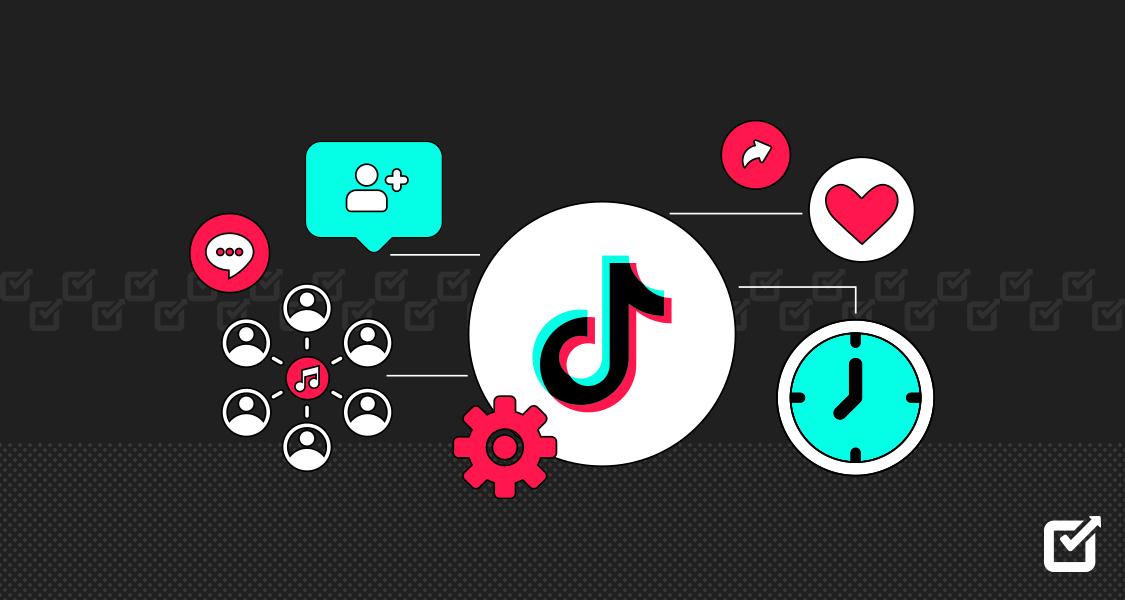
The effectiveness of TikTok’s content delivery hinges on its algorithm, which meticulously analyzes user interactions to curate a personalized experience. By examining a vast array of user data, TikTok determines which content surfaces on your feed, prioritizing factors such as:
- User Interactions: Likes, comments, shares, and the average watch time on videos significantly influence what is presented.
- Content Information: Captions, hashtags, and sounds associated with videos help categorize and suggest relevant content.
- Device and Account Settings: Language preferences and device type also play a role in shaping the content visibility.
As the algorithm continues to evolve, understanding its nuances is paramount for creators aiming to maximize engagement. Insights gathered from user behavior not only enhance the precision of content recommendations but also provide a glimpse into trends. The table below highlights how various elements impact visibility:
| Element | Impact on Visibility |
|---|---|
| User Likes | High – Indicates content preference |
| Watch Time | Very High – Longer views suggest engaging content |
| Hashtag Usage | Moderate – Helps in categorizing content |
The Role of User Interactions in Tailoring Personalized Feeds
User interactions are pivotal in shaping the content that individuals encounter when they log into platforms like TikTok. Through an advanced algorithm, TikTok meticulously analyzes a myriad of user behaviors that include but are not limited to:
- Likes and Shares: The videos users engage with reflect their preferences, guiding the algorithm to present similar content.
- Watch Duration: Monitoring how long users view specific posts aids in determining what content holds their attention.
- Comments: Engagement in discussions signals deeper interest and aids in refining content recommendations.
Furthermore, TikTok leverages additional factors to enhance the personalization of user feeds, including:
- Search History: The types of searches conducted influence the variety of suggestions that appear to users.
- Account Interactions: Connections with other users through follows and interactions create a social web that affects feed dynamics.
- Device and Location: User devices and geographical data enable TikTok to present locally relevant content, enriching the overall experience.
Strategies for Content Creators to Leverage Algorithm Insights
Understanding TikTok’s algorithm requires a strategic approach that hinges on user behavior analysis. Content creators can analyze metrics such as viewer retention, likes, shares, and comments to determine which types of videos resonate best with their audience. By focusing on trends revealed in these insights, creators can dedicate their efforts to producing content that maintains viewer engagement. Consider the following strategies:
- Utilize trending sounds and hashtags: Staying updated with trending audio clips and hashtags can significantly enhance visibility.
- Post at optimal times: Analyze when your audience is most active and schedule posts accordingly.
- Engage with your audience: Responding to comments and creating content that encourages viewer interaction can increase algorithm favorability.
Moreover, leveraging A/B testing can provide deeper insights into content performance. By creating variations of a single concept, creators can measure what works best through direct engagement metrics. Below is a simple representation of possible A/B test variables:
| Test Variable | Option A | Option B | Performance Indicator |
|---|---|---|---|
| Video Format | Short Clips | Longer Tutorials | Engagement Rate |
| Posting Times | Afternoon | Evening | View Count |
| Call-to-Action | Direct Questions | Funny Prompts | Comment Count |
By meticulously tracking these variables, creators can refine their content strategy to align with audience interests, thereby increasing the likelihood of success on the platform. This proactive adjustment catalyzes sustained engagement and growth within the TikTok community.
Privacy Considerations and Ethical Implications of Data Utilization
As TikTok continues to refine its algorithm to maximize user engagement, the implications of its data utilization raise significant privacy considerations. The platform harnesses a vast array of data points, including user interactions, browsing history, and even biometric information, to create highly personalized content experiences. While this personalization can enhance user satisfaction and engagement, it also poses risks related to data security and privacy breaches. The transparency of data usage and informed consent become critical as users may unknowingly provide sensitive information while interacting with the app. Ensuring data protection through robust security measures is paramount and must align with global standards like GDPR to foster trust among users.
Furthermore, the ethical dimensions surrounding the collection and application of user data merit exploration. The potential for data manipulation creates concerns about user autonomy and informed choice. As TikTok tailors content to drive user engagement, there is a risk of creating echo chambers, which may influence user perceptions and behavioral patterns. The need for a balanced approach is evident, requiring platforms to engage in ethical data practices that prioritize users’ rights. By implementing transparent data policies and fostering user education about data practices, a more ethical framework can be established that respects user privacy while still achieving business objectives.
Final Thoughts
the intricate workings of TikTok’s algorithm underscore the platform’s unparalleled ability to optimize user engagement through sophisticated data analytics and machine learning techniques. By systematically leveraging user data, including interactions, trends, and preferences, TikTok not only enhances the personalized experience for its users but also strategically drives content visibility and creator reach. As the platform continues to evolve, understanding these algorithmic underpinnings becomes crucial for marketers, content creators, and digital strategists aiming to navigate this dynamic landscape effectively. Future research and development in this domain will likely yield further insights into the ethical implications of data utilization and the balance between user privacy and engagement optimization. As we advance, it is imperative to foster an informed dialogue around responsible data practices while continuing to harness the power of algorithmic innovation in engaging audiences.