
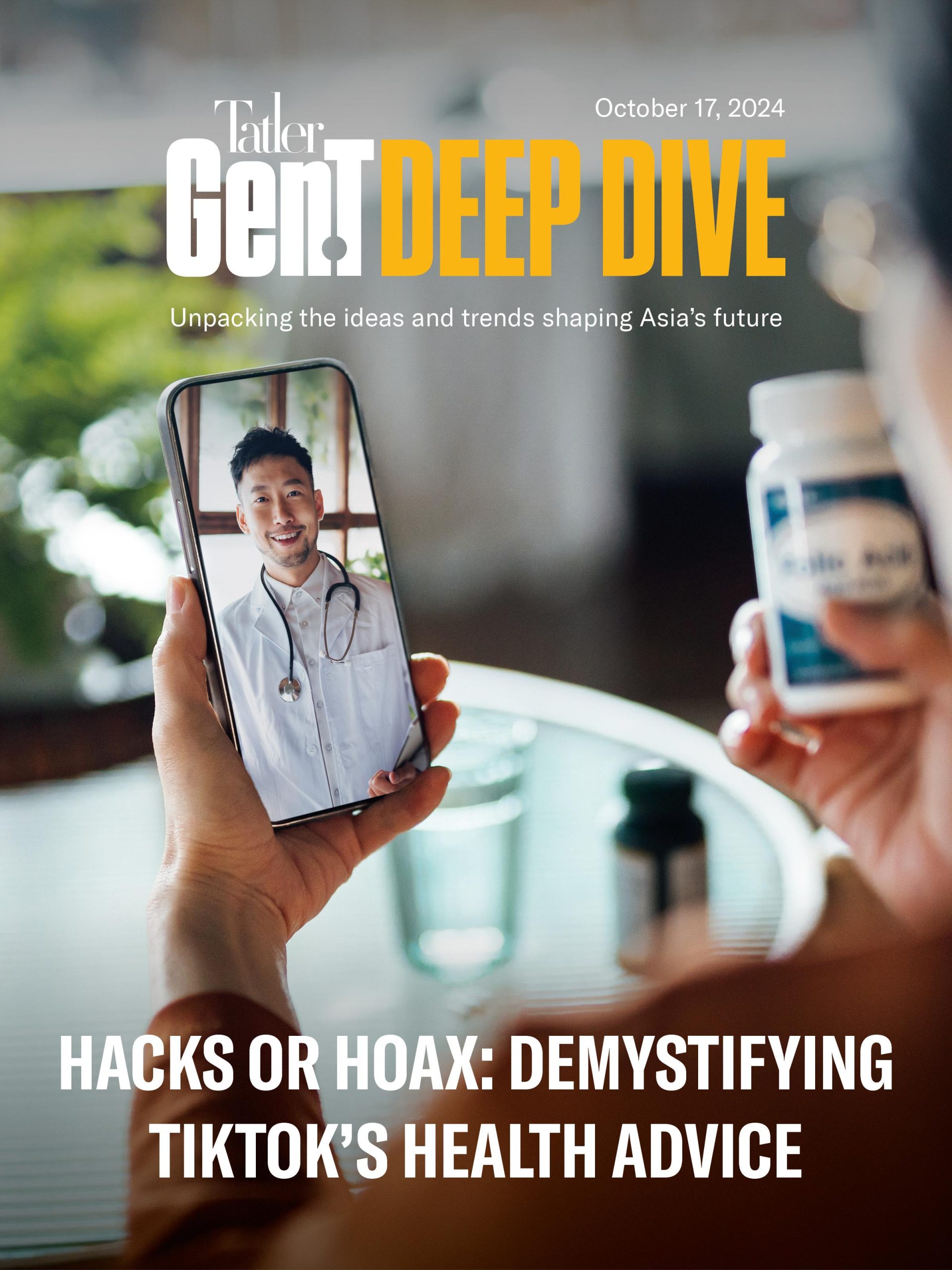
In recent years, TikTok has rapidly evolved from a platform primarily known for its entertaining lip-sync videos and dance challenges to a significant source of information, including health and wellness advice. As millions of users flock to the app, a new trend has emerged: the dissemination of “health hacks” that promise quick fixes and innovative solutions for everyday health issues. This article delves into the rise of TikTok health hacks and tips, exploring the content’s appeal, the credibility behind the advice, and the potential implications for users seeking to improve their well-being through social media. As the boundaries between entertainment and education blur, understanding the impact of these viral health trends is essential for both consumers and creators navigating the ever-evolving landscape of digital health information.
Table of Contents
- Understanding the Phenomenon of TikTok Health Hacks
- Evaluating the Credibility of Health Information on Social Media
- Practical Tips for Navigating TikTok Health Trends
- The Role of Influencers in Shaping Health Perceptions on TikTok
- Closing Remarks
Understanding the Phenomenon of TikTok Health Hacks
The rise of health hacks on TikTok exemplifies a captivating blend of social media influence and wellness trends. As users scroll through their feeds, they encounter an array of quick-fix health tips that promise to enhance everything from skin health to fitness routines. These tips often capitalize on catchy visuals and snappy instructions, making them highly shareable and appealing to a younger audience. The hashtag culture further amplifies their reach, with phrases like #WellnessWednesday and #HealthHack trending daily, leading to a cycle where one viral post can spark a health movement overnight.
However, a critical aspect of this phenomenon is the need for discernment among viewers. While some health hacks can be beneficial, others may lack scientific backing and could even pose risks. It’s essential that consumers approach these tips with a mindful attitude. Understanding the potential benefits and drawbacks can be simplified through a quick comparison table of prevalent health hacks and their credibility:
| Health Hack | Claim | Credibility |
|---|---|---|
| Apple Cider Vinegar for Fat Loss | Drink diluted apple cider vinegar to boost metabolism. | Mixed reviews; consult a health professional. |
| Ice Bath for Muscle Recovery | Soaking in ice baths speeds recovery. | Supported by some studies for athletes. |
| Using Turmeric for Anti-Inflammation | Turmeric reduces inflammation and aids immunity. | Widely accepted by health experts; evidence-based. |
Evaluating the Credibility of Health Information on Social Media
As health information proliferates across platforms like TikTok, users must be discerning consumers of the content they encounter. Many videos feature individuals sharing personal anecdotes or “hacks” without any scientific backing, which can be misleading. To assess the credibility of health advice shared online, consider these key factors:
- Source of Information: Check if the creator is a qualified health professional or a credible organization.
- References Provided: Credible posts often link to studies, articles, or expert testimonials.
- Engagement Quality: Look at the comments and critiques to gauge the community’s response to the information shared.
Moreover, it’s essential to differentiate between anecdotal evidence and scientifically validated information. Many TikTok trends might stem from personal experiences that don’t apply universally. Here’s a comparison table illustrating different types of health advice and their levels of credibility:
| Type of Advice | Credibility Level | Examples |
|---|---|---|
| Anecdotal | Low | “This worked for me!” |
| Expert-Backed | High | “According to Dr. Smith…” |
| Peer-Reviewed | Very High | “Research shows…” |
Practical Tips for Navigating TikTok Health Trends
As TikTok continues to gain popularity, users are exposed to a multitude of health trends that may or may not be scientifically supported. To make informed choices, it’s essential to approach these trends with a critical eye. Start by verifying the credentials of the content creators. Look for information from certified health professionals or institutions, as this can help distinguish between helpful tips and misleading claims. Engage with multiple perspectives by following practitioners and experts in the relevant health domains.
Additionally, utilize the platform’s features to curate your feed according to your preferences and health goals. Consider the following strategies to enhance your TikTok experience:
- Engage with credible sources: Seek out accounts run by healthcare professionals and established wellness advocates.
- Cross-reference information: Research trends you find intriguing through reliable outside sources.
- Use the ‘For You’ page wisely: Regularly refresh your content feed to avoid echo chambers filled with unverified hacks.
Here’s a quick reference table to help you identify common health trends on TikTok:
| Trend | Validity |
|---|---|
| Intermittent Fasting | Research-backed for weight loss, consult a professional. |
| Detox Teas | Often lack scientific support, may cause adverse effects. |
| Skin Care Routines | Varies by skin type, seek professional advice. |
The Role of Influencers in Shaping Health Perceptions on TikTok
In recent years, influencers on TikTok have become pivotal in shaping public perceptions of health and wellness. With their engaging content, these individuals often present health tips and hacks that can go viral in a matter of hours, leading to widespread adoption among users. This rapid spread can be attributed to the platform’s algorithm, which favors entertaining and relatable content, allowing even niche health topics to reach a broad audience. However, this popularity comes with its own set of challenges, as the accuracy and validity of the information shared can greatly vary, often leading to misunderstandings about health practices.
As followers turn to these influencers for advice, it is essential to consider the potential impact of misinformation. Many users perceive TikTok content as authentic and relatable, often neglecting to consult medical professionals or scientific sources. Factors influencing this trend include:
- Accessibility: Health information is presented in a digestible format.
- Entertainment Value: Engaging delivery encourages sharing and discussion.
- Peer Influence: Users feel a sense of community and trust in influencers.
To illustrate the dichotomy between popular health hacks and verified medical advice, the table below summarizes common TikTok health trends alongside expert opinions:
| Health Trend on TikTok | Expert Opinion |
|---|---|
| Celery Juice for Detox | Limited evidence; focus on balanced diet. |
| Intermittent Fasting | Can be effective but not for everyone. |
| Skincare Tips with Household Items | Potential irritation; consult dermatologists. |
Closing Remarks
As the popularity of TikTok continues to surge, so too does the influence of health hacks and tips shared on the platform. This trend highlights a transformative shift in how individuals seek and disseminate information about health and wellness. While the accessibility and virality of such content can empower users to adopt healthier lifestyles, it also raises important questions regarding the credibility of the information being shared. Moving forward, it will be crucial for both creators and consumers to navigate this landscape with critical thinking and discernment. As TikTok health hacks become a fixture in the wellness space, the ongoing dialogue about their efficacy, safety, and source integrity will remain essential for fostering informed health choices in the digital age.