
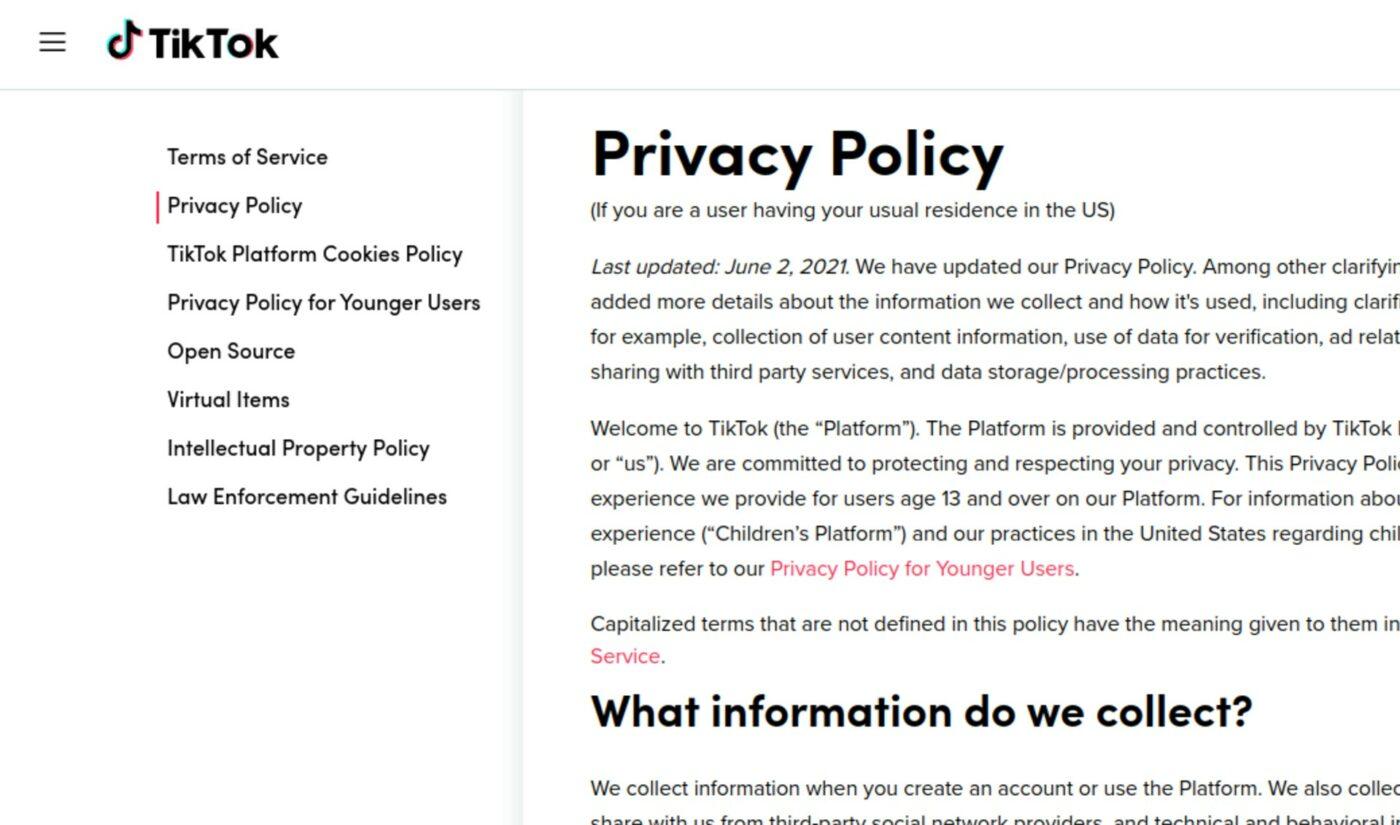
In an era marked by escalating concerns around digital privacy and data security, social media platforms find themselves under scrutiny, prompting them to adopt more stringent measures to protect user information. TikTok, one of the world’s leading short-form video-sharing applications, is no exception to this trend. As a platform with a rapidly growing user base that spans diverse demographics and geographies, TikTok recognizes the imperative to address privacy and security challenges amidst regulatory pressures and public apprehension. This article seeks to evaluate TikTok’s recent initiatives aimed at enhancing user privacy and security. By analyzing these measures within the framework of industry standards and regulatory requirements, we aim to provide a comprehensive assessment of TikTok’s efforts and their potential impact on user trust and compliance. Through a critical lens, we will explore the effectiveness and scope of these initiatives, and consider the broader implications for the platform’s sustainability in a competitive market increasingly influenced by privacy-centric stakeholders.
Table of Contents
- Assessment of Current Privacy Policies and Security Measures Implemented by TikTok
- Analysis of User Data Management Practices and Compliance with Global Regulations
- Recommendations for Strengthening Data Encryption and User Control Features
- Future Initiatives for Enhancing Transparency and Building User Trust on TikTok
- Closing Remarks
Assessment of Current Privacy Policies and Security Measures Implemented by TikTok
TikTok has made substantial strides in strengthening its privacy policies and security measures, responding to growing concerns about data protection and user trust. The platform has implemented a robust framework aimed at safeguarding user information, which includes:
- Data Encryption: User data is encrypted during transmission to prevent unauthorized access.
- Comprehensive Privacy Settings: Users have granular control over their personal information, with clear options to manage visibility and data sharing.
- Regular Security Audits: Third-party assessments are conducted to ensure compliance with industry standards and to identify potential vulnerabilities.
Moreover, TikTok has committed to enhancing transparency through user education initiatives and open communication about data practices. Notably, the platform has established a dedicated team focused on regulatory compliance and user support, allowing for prompt responses to privacy concerns. Key initiatives include:
| Initiative | Description |
|---|---|
| User Education Programs | Informational resources on privacy settings and safe usage. |
| Partnerships with Privacy Advocates | Collaboration with organizations to enhance user privacy awareness. |
Analysis of User Data Management Practices and Compliance with Global Regulations
In recent years, the rapid growth of TikTok has prompted scrutiny over its data management practices, particularly in light of evolving global regulations. The platform has taken significant strides to enhance user privacy, implementing measures that align with key international frameworks such as the General Data Protection Regulation (GDPR) and the California Consumer Privacy Act (CCPA). TikTok’s approach includes the following initiatives:
- Data Transparency: Clear communication regarding data collection and usage policies.
- User Control: Enhanced settings that give users more control over their personal information.
- Regular Audits: Continuous assessments to ensure compliance with local and international regulations.
Moreover, TikTok has also committed to optimizing data storage practices, ensuring that user data is processed and retained only as necessary for providing services. This includes adhering to data minimization principles and employing advanced encryption methods to safeguard user information. Key elements of their compliance framework are summarized in the table below:
| Compliance Area | Initiatives |
|---|---|
| Data Collection | Limited to necessary data for service functionality |
| User Consent | Explicit consent obtained for data sharing |
| Data Security | Implementation of encryption and access controls |
| User Rights | Features to enable data access and deletion requests |
Recommendations for Strengthening Data Encryption and User Control Features
To enhance privacy and security on TikTok, the implementation of robust data encryption techniques is essential. End-to-end encryption should be prioritized, ensuring that user data remains confidential during transmission and storage. By adopting advanced cryptographic protocols, TikTok can significantly reduce the risks of unauthorized access and data breaches. Furthermore, regular audits of the encryption algorithms should be conducted to guarantee their integrity and effectiveness in the face of evolving cyber threats.
In addition to encryption, empowering users with granular control over their privacy settings is crucial. This includes providing clear options for data sharing preferences and account visibility. A comprehensive dashboard could allow users to:
- View what data is collected
- Control sharing settings with third-party apps
- Enable or disable data tracking features
By fostering transparency and user autonomy, TikTok can build trust and encourage responsible usage of its platform.
Future Initiatives for Enhancing Transparency and Building User Trust on TikTok
As TikTok continues to grow in popularity, the platform is taking crucial steps to improve user transparency and foster trust. Upcoming initiatives will focus on enhancing user control over privacy settings, allowing individuals to tailor their experience significantly. Key features include:
- Enhanced Privacy Controls: Users will be able to easily access and modify their privacy preferences, ensuring they have more say over who sees their content.
- Transparent Data Usage Policies: Clear documentation and regular updates on how user data is collected and utilized will be provided, demystifying the data handling processes.
- User Education Campaigns: Informative resources and tutorials will be developed to help users understand privacy settings and security features comprehensively.
In addition to these user-centric changes, TikTok is also collaborating with third-party organizations to assess and validate their privacy practices. This partnership aims to encourage independent audits of the platform’s data security measures. A table of proposed collaborative initiatives can be seen below:
| Initiative | Description | Timeline |
|---|---|---|
| Data Transparency Reports | Regular publication of reports detailing data requests and user privacy practices. | Quarterly |
| User Feedback Systems | Implementation of channels for users to voice their concerns regarding privacy. | Next 6 Months |
| Independent Privacy Audits | Engagement with external firms to conduct regular privacy audits. | Biannual |
Closing Remarks
evaluating TikTok’s initiatives for enhanced privacy and security reveals a multifaceted approach that seeks to address growing concerns surrounding user data protection amidst a rapidly evolving digital landscape. The platform’s implementation of measures such as data encryption, increased transparency with privacy policies, and the establishment of dedicated security teams signifies a responsiveness to both regulatory scrutiny and user expectations. However, the effectiveness of these initiatives ultimately hinges on continuous adaptation to emerging threats and the cultivation of user trust through clear communication and engagement. As TikTok navigates the complexities of global privacy standards and regulatory frameworks, stakeholders—including users, policymakers, and privacy advocates—will need to remain vigilant and engaged. Future assessments must not only evaluate the technical efficacy of these security measures but also consider their broader implications on digital citizenship and user rights in an increasingly interconnected world. Going forward, a collaborative effort among all parties involved will be essential to ensure that TikTok not only meets the baseline requirements for privacy and security but also sets a progressive standard for the social media landscape as a whole.