
Introduction
In the rapidly evolving landscape of social media, TikTok has emerged as a dominant force, captivating millions of users with its innovative approach to content creation and consumption. Central to its success is the app’s user interface (UI) and user experience (UX) design, which have undergone significant transformations since its inception. This article undertakes a comprehensive analysis of the evolution of TikTok’s UI/UX design strategies, examining the critical design decisions that have shaped user engagement and retention. We will explore the interplay between aesthetic functionality and user behavior, highlighting how iterative design processes and data-driven insights have informed TikTok’s interface enhancements. By dissecting key features and updates, this analysis aims to provide a nuanced understanding of the platform’s design philosophy, its responsiveness to user feedback, and the implications for future social media applications. Through this lens, we analyze TikTok not only as a social media phenomenon but as a case study in adaptive design strategy within the digital landscape.
Table of Contents
- User-Centric Design Principles: Enhancing Engagement and Retention
- Adaptive and Responsive Interface: Meeting Diverse User Needs
- Visual Hierarchy and Content Organization: Streamlining User Navigation
- Future Directions for TikToks Design: Leveraging Data Analytics for Continuous Improvement
- Concluding Remarks
User-Centric Design Principles: Enhancing Engagement and Retention
The focus on user-centric design within TikTok’s interface has been pivotal in cultivating a platform that resonates effectively with diverse audiences. By prioritizing user needs and preferences, TikTok has strategically enhanced its engagement metrics. Central to this approach are key design elements, including:
- Simplicity: Intuitive navigation that minimizes clutter encourages users to explore and engage more.
- Feedback Mechanisms: Immediate feedback through likes, comments, and shares fosters a sense of community and belonging.
- Customizable Experience: Personalization options allow users to tailor their feeds based on interests, promoting prolonged interactions.
Moreover, the overall aesthetic contributes significantly to retention by maintaining a balance between visual appeal and functional usability. The integration of immersive features—such as full-screen videos and seamless scrolling—creates an engaging environment. To illustrate this evolution, the table below outlines TikTok’s key UI/UX milestones that have shaped its user-centric focus:
| Milestone | Feature Introduced | Impact on Engagement |
|---|---|---|
| 2016 | Launch of Mobile-Friendly Interface | Increased user sign-ups by 50% |
| 2018 | Algorithm-Driven Content Recommendations | Boosted daily active users by 75% |
| 2020 | Duet and Stitch Features | Enhanced collaborative engagement; user-generated content surged. |
Adaptive and Responsive Interface: Meeting Diverse User Needs
TikTok has adeptly embraced the principles of adaptive and responsive design, ensuring that its interface caters to a vast array of user preferences and device capabilities. By employing a fluid grid layout, the platform optimizes its content presentation across different screen sizes, enhancing user accessibility regardless of the device used. The design allows users to enjoy a seamless experience through features such as:
- Dynamic Scaling: Content scales appropriately to fit various screen resolutions.
- Touch-Friendly Navigation: Intuitive gestures simplify user interactions on mobile devices.
- Customizable Settings: Users can tailor their experience through personalized content feeds.
This sophisticated design approach not only promotes engagement but also caters to the distinct needs of diverse demographics. For example, TikTok has integrated unique accessibility features that serve visually impaired users, enabling them to navigate the platform effortlessly. The platform’s user-centric philosophy is reflected in its real-time adaptive capabilities, which are exemplified in the following table:
| User Type | Special Features |
|---|---|
| Content Creators | Enhanced editing tools and analytics dashboard. |
| Casual Users | Personalized content recommendations and trending clips. |
| Accessibility Users | Voice-over support and closed captions. |
Visual Hierarchy and Content Organization: Streamlining User Navigation
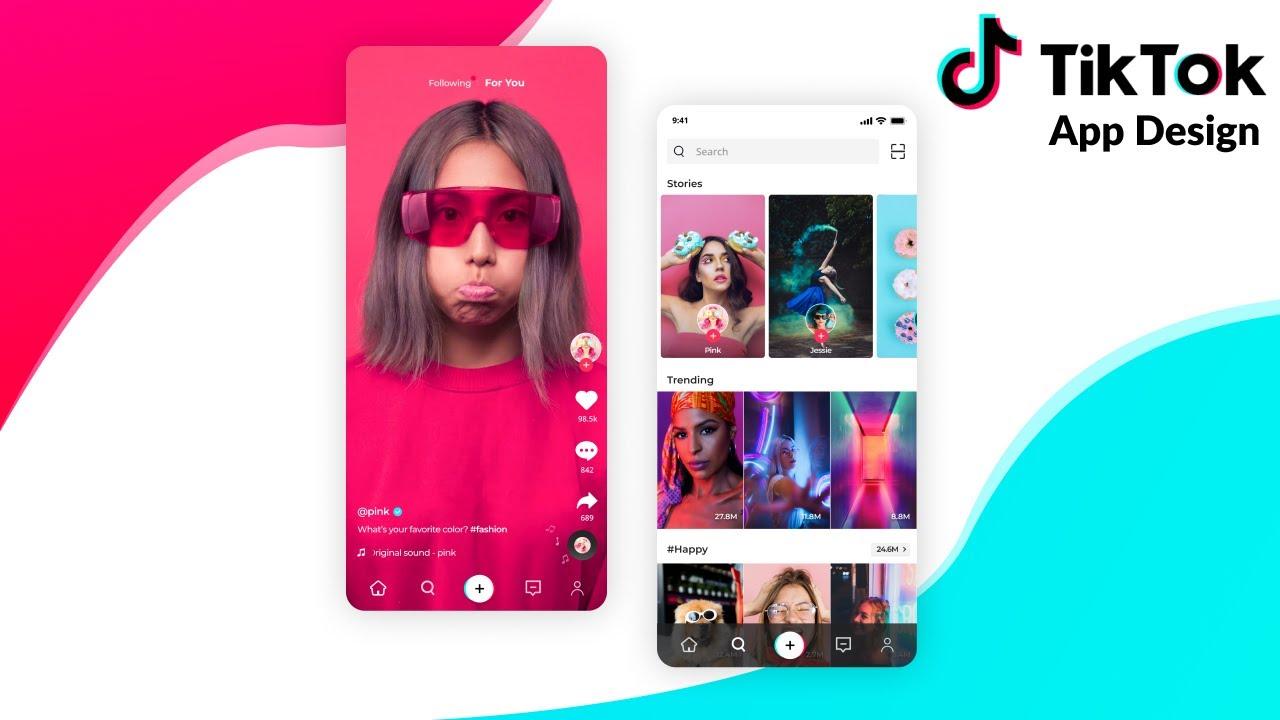
Effective design relies heavily on visual hierarchy, guiding users through the information presented while maintaining an intuitive flow. TikTok has exemplified this by utilizing a consistent layout that showcases content in a condensed yet engaging manner. Key aspects include:
- Bold Typography: Size and weight variations help differentiate between headlines, user names, and captions, making the primary content immediately recognizable.
- Strategic Color Use: A limited palette enhances focus, drawing attention to essential interactive elements, such as the “Like” and “Share” buttons.
- Spacing and Margins: Ample whitespace prevents overcrowding, ensuring users can digest content comfortably without feeling overwhelmed.
Complementing visual elements is a well-thought-out content organization, which significantly enhances user navigation. By categorizing content and employing algorithmic sorting, TikTok minimizes the time users spend searching for relevant videos. The platform employs:
- Personalized Feeds: Utilizing user data to tailor the video feed based on preferences and behavior.
- Hashtag Systems: Simplifying the discovery process for users interested in specific themes or trends.
- Easy Navigation Tabs: Clearly defined sections allow users to switch between different content formats like “For You,” “Following,” and “Discover” effortlessly.
Future Directions for TikToks Design: Leveraging Data Analytics for Continuous Improvement
As TikTok continues to attract millions of users globally, leveraging data analytics for ongoing design improvements becomes paramount. By employing sophisticated analytic tools, TikTok can gather insights on user behavior, interaction patterns, and content engagement levels. Utilizing this data allows the platform to identify areas for enhancement, guiding iterative design modifications that cater to user preferences. For instance, TikTok could analyze metrics such as:
- User retention rates: Understanding what keeps users engaged.
- Heatmaps of UI interactions: Identifying which features are most utilized.
- Feedback analysis: Sifting through user comments to gauge sentiment.
Furthermore, implementing real-time A/B testing can enable TikTok’s design team to experiment with interface changes, measuring the impact of different layouts or functionalities directly. This dynamic approach not only fosters a more user-centered design process but also assists in ensuring that TikTok remains adaptable to trends and shifts in user expectations. Below is a summary of potential methodologies that can support this initiative:
| Methodology | Description |
|---|---|
| A/B Testing | Testing two design variations to measure user preferences. |
| User Surveys | Gathering direct feedback from users to identify improvement areas. |
| Analytics Dashboards | Visualizing data to track engagement metrics and design success. |
Concluding Remarks
As we conclude our examination of TikTok’s UI/UX design evolution, it is evident that the platform has successfully navigated the intricate balance between functionality and user engagement. Through strategic enhancements and an unwavering focus on user-centered design principles, TikTok has positioned itself as a leader in the social media landscape.
The iterative process of user feedback integration, data-driven decision-making, and trend adaptation has allowed TikTok to refine its interface and interaction paradigms continually. These design strategies not only enhance user experience but also foster a robust community atmosphere that encourages creativity and connectivity among its users.
Understanding TikTok’s approach offers valuable insights for UI/UX professionals and businesses aiming to create engaging digital environments. As the platform continues to evolve, its ability to adapt to changing user behaviors and preferences will likely serve as a benchmark for innovation in design strategies across the tech industry.
the analysis of TikTok’s UI/UX journey underscores the importance of harnessing user feedback, embracing simplicity, and leveraging emergent design trends. Looking forward, it is essential for designers and strategists to remain vigilant in observing how TikTok and similar platforms push the boundaries of user interaction, ultimately shaping the future of digital experiences.