
Introduction
In recent years, TikTok has emerged as a powerhouse in the realm of social media, revolutionizing not only how users interact with content but also how brands approach e-commerce. With its unique algorithm that prioritizes engaging video content and a user base predominantly composed of Gen Z and Millennials, TikTok has cultivated an ecosystem that fosters spontaneous purchasing behaviors. This article undertakes a comprehensive analysis of TikTok’s impact on e-commerce innovation and trends, exploring how its platform-driven strategies have transformed consumer engagement, advertising methodologies, and ultimately, shopping behaviors. By examining case studies, industry trends, and emerging technologies, we aim to unveil the nuanced relationship between TikTok and the evolving landscape of e-commerce, providing insights for marketers, retailers, and policymakers seeking to navigate this dynamic digital frontier.
Table of Contents
- Understanding TikToks Role in Shaping Consumer Behavior in E-Commerce
- Evaluating Innovative Marketing Strategies Fostered by TikTok Interactions
- Examining the Influence of Viral Trends on Product Discovery and Purchase Decisions
- Recommendations for Brands to Leverage TikTok for Enhanced E-Commerce Engagement
- To Wrap It Up
Understanding TikToks Role in Shaping Consumer Behavior in E-Commerce
TikTok has emerged as a pivotal force in the landscape of e-commerce, where visual storytelling and user engagement converge to redefine how brands connect with consumers. The platform leverages its unique algorithm to promote trends, showcasing products through creative content that resonates with its predominantly younger user base. This refined method of product placement goes beyond conventional advertising by encouraging authenticity. Influencers and everyday users alike play a crucial role in promoting brands through relatable content, which amplifies the trust factor and ultimately drives consumer purchasing decisions.
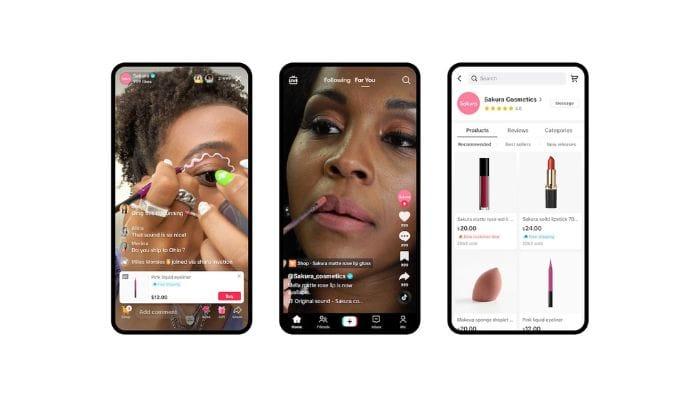
Moreover, TikTok’s seamless integration of shopping features, such as TikTok Shop and shoppable videos, has transformed the browsing experience into a shopping one. As users scroll through their feeds, they are not just entertained but also prompted to make impulse purchases based on what they see. This shift is evident in the following ways:
- Influencer Collaborations: Brands partner with TikTok creators to produce unique and engaging content that highlights their offerings.
- Trending Hashtags: Campaigns can gain momentum through specific hashtags, driving traffic to shopping links embedded within the app.
- User-Generated Content: Consumers are encouraged to share their experiences with products, creating a sense of community and authenticity.
| Impact Factor | Description |
|---|---|
| Impulse Purchases | Increased consumer spending due to entertaining and engaging content. |
| Brand Awareness | Heightened visibility for brands through viral content. |
| Engagement Rates | Higher interaction levels as users connect with relatable content. |
Evaluating Innovative Marketing Strategies Fostered by TikTok Interactions
The rise of TikTok as a dominant social media platform has significantly transformed how brands engage with their audiences, particularly in the realm of e-commerce. Innovative marketing strategies are now emerging from the platform’s unique interaction model, where short videos and engaging content drive consumer behavior. Brands leverage TikTok’s features, such as hashtag challenges, duets, and influencer partnerships, to create memorable marketing campaigns that resonate with younger demographics. This dynamic environment allows for rapid experimentation and adaptation in promotional tactics, resulting in campaigns that are not only entertaining but also strategically aligned with current consumer trends.
Moreover, TikTok fosters a sense of community and authenticity that traditional marketing often lacks. In response to user-generated content, brands are encouraged to adopt a more conversational tone, leading to deeper connections with potential customers. Key elements of successful TikTok marketing include:
- Authenticity – Users prefer brands that appear genuine and relatable.
- Entertainment Value – Content that entertains is more likely to go viral.
- Short-Form Storytelling – Engaging narratives captured in brief clips enhance memorability.
- User Engagement – Inviting audience participation builds a loyal customer base.
To illustrate the effectiveness of these strategies, the following table summarizes TikTok’s impact on e-commerce trends:
| Trend | Impact on E-Commerce | Example |
|---|---|---|
| Hashtag Challenges | Increase in brand visibility and user participation. | Brand X’s #DanceChallenge led to a 200% increase in engagement. |
| Influencer Collaborations | Authentic endorsements boost purchase decisions. | Influencer Y increased sales of Product Z by 150% through a viral video. |
| Live Shopping Events | Direct engagement facilitates real-time purchasing. | Product A’s live launch event generated $1M in sales in one hour. |
Examining the Influence of Viral Trends on Product Discovery and Purchase Decisions
The rapid rise of viral trends on platforms like TikTok has fundamentally reshaped the landscape of product discovery and purchase decisions among consumers. As users scroll through short video clips, they are not just entertained; they are exposed to a curated selection of products that catch their eye, often enhanced through engaging storytelling and visual appeal. This phenomenon has led to a new paradigm where products can gain unexpected fame overnight, driven by creativity and user engagement rather than traditional advertising methods. Key elements contributing to this shift include:
- Authentic Engagement: Influencers and everyday users provide genuine reviews and demonstrations, fostering trust.
- Algorithmic Amplification: Content that resonates with audiences is quickly promoted, ensuring wider visibility for particular products.
- Community Influence: The sense of belonging to a community spurs collective interest and action towards trending products.
As brands recognize the power of these viral trends, many are adapting their marketing strategies to harness this momentum. The direct correlation between trending content and spikes in sales is evident, prompting businesses to invest in TikTok-specific campaigns. A recent analysis shows how quickly certain products escalate in popularity due to viral exposure:
| Product | Platform | Viral Trend Duration | Sales Increase (%) |
|---|---|---|---|
| Beauty Blender | TikTok | 2 Weeks | 300% |
| Air Fryer | TikTok | 1 Month | 150% |
| Fitness Bands | TikTok | 3 Weeks | 200% |
This acceleration in purchasing behavior highlights the significance of viral trends in shaping consumer habits and preferences, challenging brands to remain agile and responsive in a fast-paced digital marketplace.
Recommendations for Brands to Leverage TikTok for Enhanced E-Commerce Engagement
To effectively harness the power of TikTok for enhanced e-commerce engagement, brands should focus on creating authentic and relatable content that resonates with their target audience. Leveraging user-generated content (UGC) allows brands to build trust and foster community engagement. Consider the following strategies:
- Collaborate with Influencers: Partner with TikTok influencers whose audiences align with your brand values to create sponsored content that feels genuine.
- Utilize Viral Challenges: Develop fun and engaging challenges that encourage users to participate and showcase your products creatively.
- Optimize Hashtags: Use trending hashtags strategically to increase visibility and tap into organic viewer traffic.
Additionally, brands should prioritize interactive features available on the platform to enhance customer experience and drive conversions. This includes implementing features like TikTok Shopping, which allows users to explore products directly within the app. Key approaches to consider include:
- Live Shopping Events: Host live-streaming sessions where viewers can purchase products in real time, complete with exclusive offers.
- Shoppable Ads: Design ads that direct users to purchase pages seamlessly, making the transition from viewing to buying instantaneous.
- Augmented Reality (AR) Effects: Use AR to enable users to try products virtually, increasing the likelihood of purchase through enhanced interaction.
To Wrap It Up
the intersection of TikTok and e-commerce is reshaping the retail landscape in profound ways. This analysis has elucidated how TikTok’s unique format, characterized by short, engaging content, not only captures consumer attention but also drives purchasing behavior in innovative ways. The platform’s ability to facilitate authentic brand-consumer interactions enables businesses to build community-driven narratives that resonate with a digital-savvy audience.
Moreover, the integration of e-commerce features within TikTok underscores a significant shift towards a seamless shopping experience, effectively blending entertainment with commerce. This evolution presents both challenges and opportunities for retailers as they navigate an increasingly complex digital marketplace. As TikTok continues to evolve, it will be paramount for brands to leverage data-driven strategies that resonate with users while adapting to the rapid-paced innovations within the platform.
Future research will be essential to further contextualize TikTok’s role in shaping e-commerce trends and to explore the long-term implications for consumer behavior. As we move forward, the adaptive strategies developed in response to TikTok’s influence will likely serve as pivotal case studies for the next generation of digital commerce.