
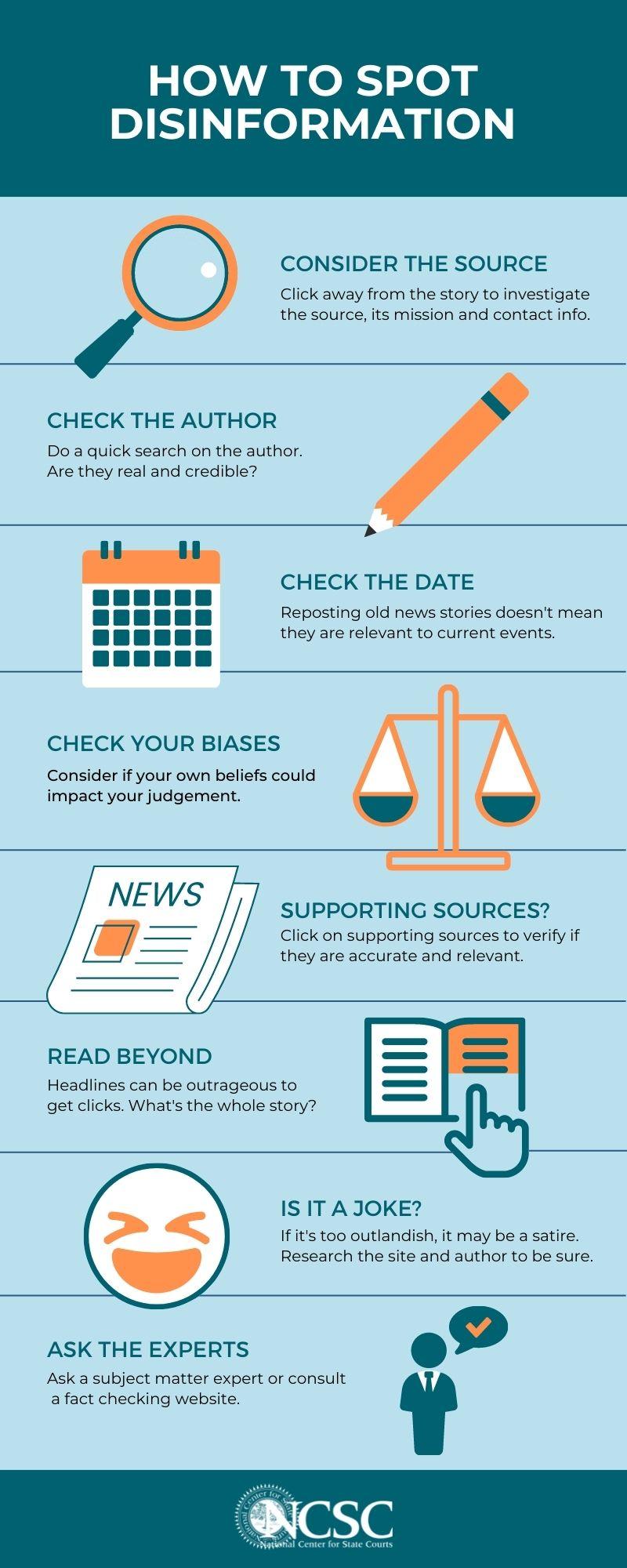
In today’s digital landscape, the rapid proliferation of information—both accurate and misleading—presents a significant challenge for social media platforms. Among them, TikTok has risen to prominence as a hub for creativity and connection, yet it has also found itself grappling with the pervasive issue of misinformation. As users scroll through an endless feed of short videos, the line between fact and fiction often blurs, leading to a ripple effect that can influence public perception and behavior. In response, TikTok is implementing a robust strategy aimed at combating the spread of fake news while fostering a safe and informed community. This article delves into TikTok’s initiatives, partnerships, and innovative tools designed to tackle misinformation head-on, illustrating the platform’s commitment to ensuring that users can trust the content they consume. Join us as we explore how TikTok is navigating this complex challenge in an era where the truth is increasingly at risk.
Table of Contents
- Understanding the Rise of Misinformation on TikTok
- Innovative Features and Tools Introduced by TikTok to Combat Fake News
- Best Practices for Users: Navigating Information Responsibly on TikTok
- Collaborative Efforts: Partnering with Fact-Checkers and Influencers for Authenticity
- The Conclusion
Understanding the Rise of Misinformation on TikTok
The surge of misinformation on TikTok can be attributed to several factors, including the platform’s rapid content propagation and user-generated nature. The short-form video format allows for information to be consumed quickly, which can sometimes lead to the spread of half-truths or unverified claims before users have the chance to fact-check them. Many users, especially younger audiences, may not have the critical skills to discern credible information from fabricated content, making them more susceptible to misleading narratives that can go viral. Additionally, trending challenges and hashtags can inadvertently promote false claims as users ride the wave of popularity without scrutinizing the content they share.
Recognizing this challenge, TikTok is implementing a range of strategies aimed at combating misinformation. These measures include:
- Partnerships with fact-checking organizations to verify content accuracy.
- Algorithm adjustments that prioritize credible sources over sensationalized or misleading content.
- User education campaigns focused on promoting media literacy and critical thinking skills.
Moreover, the platform has developed tools for users to report misleading videos, fostering a community-driven approach to uphold content integrity. By prioritizing accurate information and tackling the spread of falsehoods, TikTok aims to create a more informed user base while maintaining its vibrant and engaging platform.
Innovative Features and Tools Introduced by TikTok to Combat Fake News
TikTok has rolled out a suite of innovative features and tools aimed at curbing the spread of misinformation within its vibrant community. One of the standout initiatives is the implementation of a fact-checking system, which partners with reputable third-party organizations to verify the accuracy of content shared on the platform. This proactive approach ensures that users are presented with reliable information, particularly in times of crisis or during major news events. Additionally, TikTok has introduced an interactive reporting feature that empowers users to flag suspicious content, fostering community involvement in the fight against fake news.
In tandem with these initiatives, TikTok is enhancing its algorithm to promote content from verified sources, thereby improving the visibility of credible news outlets. A newly developed media literacy tool helps educate users about identifying misinformation, providing tips and resources on recognizing signs of fake news. The platform also features a dedicated misinformation hub, serving as a central resource for users to access fact-checked articles and related content. Through these multifaceted strategies, TikTok is not only aiming to enhance the trustworthiness of its platform but is also shaping a more informed user base.
Best Practices for Users: Navigating Information Responsibly on TikTok
In today’s digital landscape, users play a crucial role in sustaining the integrity of information on platforms like TikTok. To effectively navigate the vast ocean of content, consider adopting a few responsible practices:
- Verify Sources: Always check the credibility of the account sharing information. Look for verified checkmarks and explore their previous content history.
- Cross-Reference Facts: Don’t rely solely on one video. Seek out multiple sources of information to confirm the accuracy of claims.
- Engage Critically: Take a moment to question the information presented. Does it sound biased or sensationalized? Exercise your judgment.
- Report Misinformation: If you encounter misleading content, use TikTok’s reporting tools to flag it. Your proactive approach helps reduce the spread of fake news.
Additionally, understanding TikTok’s own measures can empower users to be informed consumers of content. The platform actively collaborates with fact-checking organizations and employs technology to detect and label potentially misleading content. Here’s how this strategy unfolds:
| Measure | Description |
|---|---|
| Content Labeling | Flagging videos with fact-checked information to provide context. |
| Fact-Checking Partnerships | Collaborating with authoritative sources to verify trending topics. |
| Educational Campaigns | Creating awareness programs aimed at informing users about misinformation. |
Collaborative Efforts: Partnering with Fact-Checkers and Influencers for Authenticity
To effectively address the challenges of misinformation on its platform, TikTok recognizes the importance of building robust partnerships with both fact-checkers and influential creators. By collaborating with independent fact-checking organizations, the platform aims to ensure the accuracy of the content circulating within its community. These partnerships focus on a variety of strategies, including:
- Real-time fact-checking during trending discussions.
- Creating educational content on how to spot misinformation.
- Developing guidelines that promote authenticity among users.
In addition to fact-checkers, engaging influencers plays a pivotal role in spreading awareness. These creators, with their established credibility and audience trust, can become powerful allies in the fight against fake news. By integrating fact-checked information into their content, they not only inform their followers but also encourage responsible sharing. TikTok is actively working on initiatives that include:
- Incentivizing influencers to participate in truth-driven campaigns.
- Providing resources for creators to better understand misinformation.
- Highlighting content that promotes accurate information through dedicated features.
The Conclusion
TikTok’s strategic approach to combating misinformation is a testament to its commitment to fostering a safe and informative digital environment. By leveraging advanced technology and promoting media literacy, TikTok is not only addressing the challenges posed by fake news but also empowering its users to discern fact from fiction. As social media platforms continue to shape our understanding of the world, the initiatives taken by TikTok serve as a model for other platforms to follow.
As consumers of information, it’s essential for us to remain vigilant and critical of the content we engage with. Let us embrace the tools provided by platforms like TikTok, while also advocating for transparency, responsibility, and accountability in the digital age. Moving forward, it will be crucial for all stakeholders—users, creators, and tech companies alike—to play their part in the fight against misinformation. Together, we can cultivate a more informed society, equipped to navigate the complexities of today’s media landscape.
Thank you for joining us in exploring this important topic. Stay informed, stay engaged, and let’s work towards a more trustworthy digital future.