
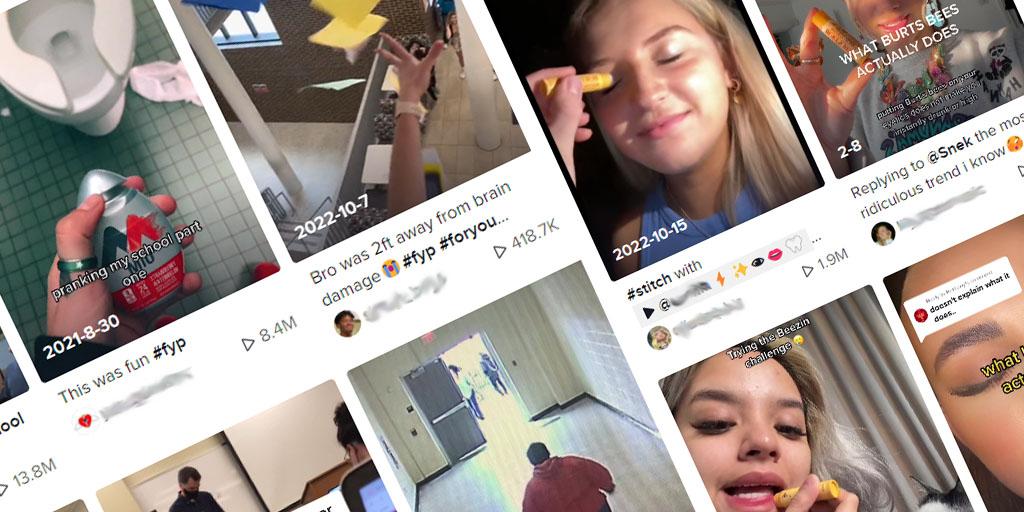
In the rapidly evolving landscape of digital media, social media platforms serve as dynamic arenas for creativity and self-expression, fostering unique forms of engagement among users. Among these platforms, TikTok has emerged as a formidable force, renowned for its viral challenges that captivate millions and shape cultural narratives. But how do these TikTok challenges compare to trends on other social media platforms, such as Instagram, Twitter, and YouTube? This article seeks to explore the nuances of TikTok’s challenge culture, juxtaposing it with prevalent trends and challenges on its counterparts. By analyzing the mechanisms of participation, the nature of content creation, and the implications for brand engagement and community building, we will uncover the distinctive characteristics that set TikTok apart while also highlighting the similarities that unite the social media landscape as a whole.
Table of Contents
- Examining the Unique Dynamics of TikTok Challenges Versus Instagram Trends
- Analyzing Engagement Metrics: Why TikTok Challenges Outperform Other Platforms
- Content Creation Strategies: Harnessing TikToks Viral Potential in Comparison to YouTube
- Navigating Brand Opportunities: Leveraging Trends on TikTok and Beyond for Maximum Impact
- Closing Remarks
Examining the Unique Dynamics of TikTok Challenges Versus Instagram Trends
The dynamics of TikTok challenges are distinctly interactive and often go viral in a matter of hours, creating a rapid cycle of participation that is characteristic of the platform. Key elements that set TikTok challenges apart include:
- Short-Form Content: The bite-sized video format encourages quick engagement and creativity.
- Audio Integration: Use of trending sounds or music that acts as a catalyst for participation.
- Easy Replication: Simple and catchy concepts make it easy for users to join the challenge.
In contrast, Instagram trends tend to lean towards more polished and visually aesthetic representations. The platform encourages users to curate their content carefully, which results in a different cycle of trend evolution. Distinguishing features of Instagram trends often include:
- Visual Appeal: Emphasis on high-quality images and videos showcasing lifestyle or artistry.
- Influencer Impact: A heavily curated influencer presence that shapes what becomes a trend.
- Duration: Trends can persist longer, given the platform’s focus on engagement through stories and highlights.
Analyzing Engagement Metrics: Why TikTok Challenges Outperform Other Platforms
The rising popularity of TikTok challenges can be attributed to their unique structure that not only promotes user interaction but also fosters virality in ways that other platforms struggle to emulate. Unlike traditional social media content, which often relies on passive consumption, challenges invite users to participate actively by creating their own videos. This interactive element empowers users, making them feel like part of a larger community or trend. Additionally, the algorithm on TikTok greatly amplifies engagement by pushing popular challenges to a wider audience, allowing users to discover not just the challenge itself, but also a plethora of related, user-generated content.
When comparing engagement metrics across various platforms, the data reveals some striking differences. On TikTok, the average completion rate of challenge videos can reach up to 87%, indicating viewers are more likely to watch full videos compared to shorter engagement rates seen on platforms like Instagram or Twitter. Furthermore, the ease of sharing and remixing content on TikTok contributes to its standout performance. Below is a comparison of engagement metrics for TikTok challenges versus similar trends on other platforms:
| Metric | TikTok Challenges | Instagram Reels | Twitter Trends |
|---|---|---|---|
| Average Completion Rate | 87% | 72% | 55% |
| User Participation | High | Moderate | Low |
| Shareability | Excellent | Good | Limited |
These insights highlight the distinctive edge TikTok challenges have in the realm of digital marketing and engagement. The synthesis of community involvement, algorithmic support, and high user retention is a formula that is challenging for other platforms to replicate, making TikTok the go-to choice for brands looking to enhance their engagement through interactive challenges.
Content Creation Strategies: Harnessing TikToks Viral Potential in Comparison to YouTube
When analyzing the distinct content creation strategies between TikTok and YouTube, it’s essential to acknowledge how each platform caters to audience engagement differently. TikTok thrives on bite-sized, high-energy content that encourages rapid consumption, often appealing to younger demographics. The unique structure of TikTok challenges fosters user participation, with trends spreading virally through entertaining formats such as dance, lip-syncing, or comedic skits. This fast-paced nature allows creators to rapidly adapt and respond to current trends, contributing to a highly dynamic content ecosystem. In contrast, YouTube’s longer-form videos prioritize depth, offering creators a platform for storytelling and detailed tutorials. Here, trends manifest as series or thematic content, inviting viewers to engage more thoughtfully and extensively.
Dissecting the engagement metrics demonstrates clear differences in audience interaction. TikTok’s algorithm is designed to surface trending content quickly, leading to higher visibility for new creators. This results in a low barrier to entry, where participants can achieve viral status with just one inventive post. On the other hand, YouTube generally favors established channels, necessitating time and consistency in content creation to gain traction. The comparison highlights the following aspects:
| Aspect | TikTok | YouTube |
|---|---|---|
| Content Length | Short (15-60 seconds) | Long (5 minutes to several hours) |
| Engagement Style | Immediate, often emotional | Thoughtful, narrative-driven |
| Trend Adaptation | Rapid, frequent participation | Slower, more strategic |
| Monetization | Sponsorships, brand campaigns | Ad revenue, memberships |
TikTok and YouTube each offer unique advantages for content creators aiming to capitalize on viral trends. While TikTok provides a playground for quick, engaging challenges that can ignite overnight fame, YouTube allows for an in-depth exploration of themes and concepts, fostering long-term audience loyalty. Successful creators adapt their strategies, recognizing that harnessing viral potential requires an understanding of the different mechanics at play across platforms.
Navigating Brand Opportunities: Leveraging Trends on TikTok and Beyond for Maximum Impact
When comparing TikTok challenges to trends on other platforms, it’s essential to note how each medium enhances brand engagement. TikTok leads with its dynamic 15 to 60-second video format, granting brands the opportunity to showcase creativity in a short timespan. In contrast, platforms like Instagram often rely on visually polished images or slightly longer videos, which can dilute spontaneous engagement. This brevity of TikTok fosters a sense of urgency and the potential for virality, nudging audiences toward immediate interaction. Popular challenges, such as dance or lip-sync trends, compel users to join in, amplifying brand messages exponentially through peer participation.
Moreover, platforms like Twitter and Facebook emphasize text-driven content or longer narratives, shifting the user focus from visual engagement to informational dissemination. While Twitter trends are often driven by newsworthiness, TikTok trends can spark spontaneous and humorous content that captivates audiences. To further illustrate these differences, consider the following comparison:
| Platform | Type of Content | User Engagement |
|---|---|---|
| TikTok | Short Videos (Challenges) | High Interaction, Viral Potential |
| Photos & Reels | Medium Interaction, Aesthetic Appeal | |
| Text & Hashtags | Low to Medium Interaction, Information Sharing | |
| Long-Form Posts | Medium Interaction, Community Building |
while every platform offers its unique strengths, TikTok stands out for its ability to marry creativity with engagement through entertaining challenges. Brands looking to maximize impact must adapt their strategies, leaning into the engaging nature of challenges on TikTok while recognizing the more restrained interactions traditional platforms may provide.
Closing Remarks
while TikTok challenges have carved a unique niche in the digital landscape, their essence resonates with familiar patterns observed across other social media platforms. The dynamic nature of TikTok’s algorithm promotes rapid content virality, fostering a culture of creativity that encourages participation on an unprecedented scale. Conversely, platforms like Instagram and Twitter, with their emphasis on static visuals and text-based engagement, often produce trends that revolve around longer-lasting themes and discussions.
Understanding these differences not only highlights the evolving nature of social media but also informs content creators and marketers about how best to engage their audiences. Each platform offers distinct opportunities for interaction and community building, making it crucial for brands to tailor their strategies to align with the specific characteristics of each medium. As social media continues to evolve, the interplay between challenges and trends across platforms will undoubtedly shape the future of digital engagement, inviting continual comparison and analysis as we navigate this ever-changing landscape.