
Introduction
In the dynamic landscape of digital communication, social media platforms continuously evolve, shaping the way individuals and brands engage with their audiences. Among these platforms, TikTok has emerged as a notable player, captivating millions with its engaging short-form video content. As traditional social media channels like Facebook, Instagram, and Twitter have long dominated the metrics of user engagement, a pivotal question arises: how does TikTok’s unique engagement model compare to these established platforms? This article aims to dissect the nuances of engagement on TikTok in relation to traditional social media metrics, exploring key performance indicators such as likes, shares, comments, and viewer retention. By examining these differences, we can better understand the impact TikTok holds in modern digital marketing strategies and the implications for businesses seeking to leverage this innovative platform for audience connection and brand growth.
Table of Contents
- Understanding Engagement Metrics in TikTok versus Traditional Social Media
- Analyzing Audience Interaction: TikToks Unique Features Compared to Facebook and Instagram
- Measuring Content Performance: A Comparative Approach to Viral Potential
- Strategic Recommendations for Brands: Maximizing Engagement Across Platforms
- Final Thoughts
Understanding Engagement Metrics in TikTok versus Traditional Social Media
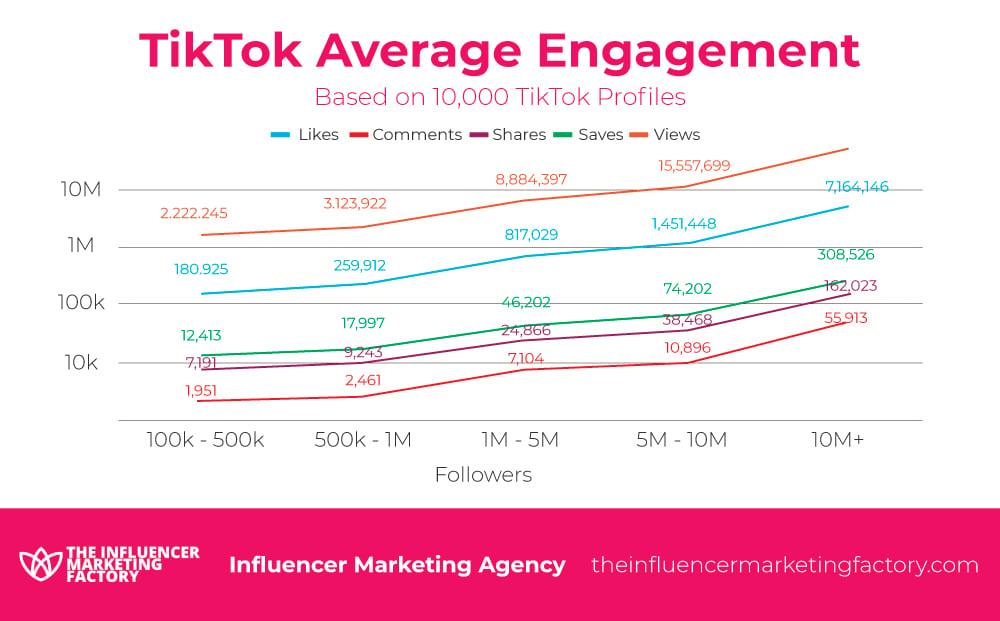
As creators and brands navigate the digital landscape, understanding how engagement metrics differ between TikTok and traditional social media platforms is crucial. On TikTok, engagement is often gauged through unique metrics such as video views, likes, shares, and comments, which capture the explosive nature of viral content. The emphasis on short-form video allows for a more dynamic interaction, where fleeting moments can generate significant user engagement in a matter of hours. This contrasts with traditional social media metrics, where likes, shares, and comments remain important but are often coupled with metrics like followers and impressions, which do not capture the immediacy of trends as effectively.
Moreover, TikTok’s algorithm is distinctly designed to enhance engagement by promoting content based on user interaction rather than follower counts, leading to a phenomenon known as organic reach. This differs from the more linear engagement funnel seen in platforms like Facebook and Instagram, where organic visibility often relies heavily on an established follower base. To illustrate these differences, consider the following table summarizing key engagement metrics:
| Engagement Metric | TikTok | Traditional Platforms |
|---|---|---|
| Video Views | High emphasis on virality | N/A |
| Likes | Instant feedback on content | Past content influence |
| Shares | Triggers algorithm boost | Share metrics often secondary |
| Comments | Encourages community interaction | Feedback-driven conversations |
Analyzing Audience Interaction: TikToks Unique Features Compared to Facebook and Instagram
In the realm of social media engagement, TikTok sets itself apart through its distinctive interactive features that foster a higher level of user involvement. Unlike Facebook and Instagram, TikTok thrives on its short-form video format, which encourages users to create and share content rapidly. This dynamism amplifies audience participation by allowing users to engage with content in multiple ways, such as:
- Duets and Stitches: These features enable users to collaborate on videos, creating a community-driven space for creativity.
- Hashtag Challenges: TikTok encourages mass participation through easily accessible challenges that drive viral trends.
- In-App Editing Tools: The extensive array of editing features empowers users to produce high-quality content effortlessly, increasing engagement quality.
When contrasting engagement metrics across platforms, TikTok’s algorithm prioritizes immediate user interactions, evident through likes, shares, and the “For You” page that amplifies content visibility based on user preferences. Facebook and Instagram often rely more heavily on follower counts and post likes as primary indicators of engagement. The following table illustrates the differences in engagement strategies between these platforms:
| Feature | TikTok | Facebook/Instagram |
|---|---|---|
| Content Type | Short-form videos | Images, longer videos, stories |
| User Interaction | Duets, Stitches, Challenges | Comments, Reactions, Shares |
| Algorithm Focus | User engagement frequency | Follower count, historical engagement |
Measuring Content Performance: A Comparative Approach to Viral Potential
In the digital landscape, measuring content performance hinges on understanding the nuances of engagement across various platforms. TikTok’s unique algorithm favors short, visually captivating snippets, leading to engagement metrics that often surpass traditional social media norms. Consider the following factors:
- Views: TikTok’s video views can reach millions within hours, often outpacing standard impressions on platforms like Facebook or Instagram.
- Shares: Viral trends are primarily driven through shares on TikTok, whereas traditional platforms rely more on likes and comments.
- Engagement Rate: TikTok typically exhibits higher engagement rates due to its interactive features, such as duets and challenges, which encourage user participation.
To provide a clearer perspective, let’s examine a comparative table highlighting key metrics that contribute to understanding viral potential:
| Metric | TikTok | Traditional Social Media |
|---|---|---|
| Average Views (per post) | 10K – 1M+ | 500 – 10K |
| Average Shares | 500 – 5K | 50 – 1K |
| Engagement Rate | 15% – 25% | 1% – 3% |
Strategic Recommendations for Brands: Maximizing Engagement Across Platforms
To navigate the competitive landscape of social media effectively, brands should consider adapting their engagement strategies by embracing the unique features of platforms like TikTok. Unlike traditional social media metrics that prioritize likes, shares, and follower counts, TikTok emphasizes video completion rates, user-generated content (UGC), and trends to define engagement. By focusing on short, digestible content that resonates with the audience, brands can foster a community of engaged users who are more likely to participate in challenges, duets, or memes that involve their products. Moreover, leveraging TikTok’s algorithm, brands should aim to post at optimal times and use trending sounds or hashtags to increase visibility and interaction.
In contrast, traditional social media platforms often measure interaction through more static metrics, which may not fully capture the dynamism of user engagement. Brands should focus on encouraging authentic interactions by implementing interactive features such as polls, Q&As, and live sessions to build meaningful connections. Additionally, analyzing engagement data across platforms is crucial. Consider the following comparison of typical engagement metrics:
| Platform | Primary Metric | Engagement Focus |
|---|---|---|
| TikTok | Video Completion Rate | Trends & UGC |
| Likes & Comments | Shares & Community Building | |
| Post Interactions | Visual Appeal & Stories |
By understanding these different metrics and engagement focuses, brands can recalibrate their strategies to create compelling content tailored to each platform, simultaneously maximizing their reach and resonance with the target audience.
Final Thoughts
the comparison of TikTok engagement metrics to those of traditional social media platforms reveals significant insights into the evolving landscape of digital interaction. While traditional platforms such as Facebook, Twitter, and Instagram rely on established metrics like likes, shares, and comments to measure user engagement, TikTok introduces a dynamic paradigm driven by short-form video content that fosters deeper engagement through immersive interaction.
The metrics of TikTok—such as video views, completion rates, and duets—illustrate not just a quantitative shift but also a qualitative transformation, highlighting the platform’s ability to captivate audiences in ways that older social media cannot replicate. As brands and marketers seek to connect with younger demographics who increasingly gravitate towards TikTok, understanding these engagement nuances is crucial.
As we move forward, the interplay between these two forms of engagement will likely shape strategies across the digital marketing spectrum. By embracing TikTok’s innovative approach while leveraging the foundational insights of traditional social media, businesses can better navigate this complex terrain, fostering authentic connections and maximizing audience engagement. The future of social media engagement lies in the delicate balance of these metrics, encouraging a holistic view that appreciates the strengths and weaknesses of both paradigms.