
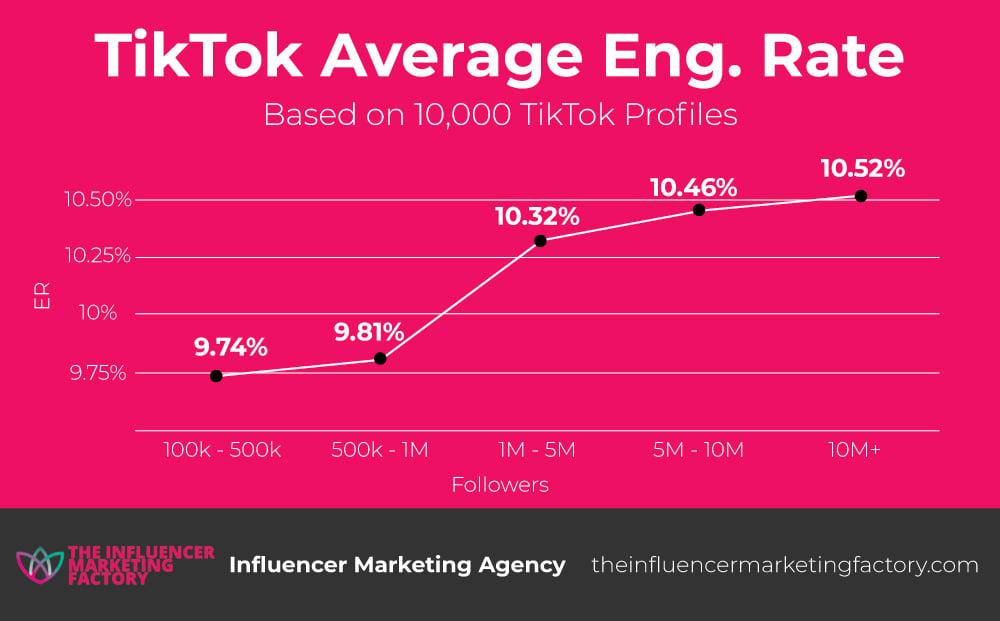
In the rapidly evolving landscape of social media, the emergence of platforms such as TikTok has reshaped the way users engage with content and interact with one another. As traditional social media channels like Facebook, Twitter, and Instagram continue to hold significant sway, the rise of TikTok introduces a novel model of engagement that prioritizes short-form video and authenticity. This article aims to dissect the nuances of user interaction across these two paradigms, comparing the engagement metrics, content creation dynamics, and community-building strategies inherent to TikTok versus traditional platforms. By analyzing the distinct characteristics and user behaviors associated with each, we seek to provide a comprehensive understanding of how TikTok’s unique approach is challenging the established norms of social media engagement, ultimately influencing marketing strategies, brand communications, and user experiences.
Table of Contents
- Evaluating User Interaction Metrics Across Platforms
- Analyzing Content virality: TikTok Versus Facebook and Instagram
- Understanding Audience Demographics and Engagement Patterns
- Strategic Recommendations for Optimizing Engagement on Social Media Platforms
- Final Thoughts
Evaluating User Interaction Metrics Across Platforms
Understanding how users interact with different platforms is crucial for shaping content strategy. TikTok engagement metrics often reveal a striking contrast to those found on traditional social media platforms. Key user metrics typically include:
- Views: TikTok videos tend to garner far more views, amplifying brand visibility.
- Engagement Rate: Interaction levels, such as likes and shares, are significantly higher on TikTok compared to platforms like Facebook or Instagram.
- Average Watch Time: On TikTok, the average watch time can reach impressive numbers, reflecting users’ investments in content.
For a clearer comparison, the following table outlines average engagement metrics across various platforms:
| Platform | Average Engagement Rate (%) | Average Video Views (per post) | Average Watch Time (seconds) |
|---|---|---|---|
| TikTok | 15-20 | 1,000+ | 30+ |
| 1-3 | 500-800 | 20-25 | |
| 0.5-1.5 | 300-600 | 10-15 |
This data underscores the dynamic engagement potential of TikTok, setting a new benchmark for user interaction that traditional social media struggles to match. Brands looking to maximize their reach and interaction should consider prioritizing TikTok in their social media strategies.
Analyzing Content virality: TikTok Versus Facebook and Instagram
In the realm of digital engagement, TikTok has taken the lead with its unique, algorithm-driven content delivery that promotes virality in ways traditional platforms like Facebook and Instagram struggle to replicate. The short-form, snappy videos can capture user attention in seconds, often leading to higher shareability and organic reach. Users on TikTok are more inclined to engage with fresh trends and challenges, resulting in a slew of user-generated content that can go viral overnight. This phenomenon is bolstered by the platform’s interface, which prioritizes discovery, placing less emphasis on established followers and more on trending content, thereby leveling the playing field for creators both large and small.
In contrast, Facebook and Instagram tend to favor established connections, where engagement is often dictated by the number of current followers rather than the content’s inherent appeal. Posts need to compete within a crowded newsfeed, making it essential for brands to focus on organic growth and paid promotions. While Instagram has introduced features like Reels to encourage video content, the underlying mechanics still favor visually appealing, high-production-value posts rather than the spontaneous, authentic vibe that thrives on TikTok. This comparative landscape underscores the need for marketers to adapt their strategies accordingly, as virality can stem from different avenues and user interactions across platforms.
Understanding Audience Demographics and Engagement Patterns
Analyzing audience demographics is critical in understanding how different platforms resonate with users. TikTok’s user base skews younger, with a significant percentage of its audience falling between the ages of 16 and 24. In contrast, traditional social media platforms like Facebook and Twitter attract a broader age range, from teenagers to older adults. This age disparity influences not only the content created but also the way engagement is fostered. While TikTok users engage through short, creative videos, traditional platforms rely heavily on text, images, and longer video formats. The difference in content forms plays a major role in how audiences interact with brands and influencers. For example:
- TikTok: Quick bursts of creativity, challenges, and viral trends
- Facebook: Longer posts, community groups, and event sharing
- Instagram: Aesthetic images and stories for lifestyle branding
Engagement patterns further highlight the distinct differences. TikTok thrives on high levels of user interaction, as indicated by its algorithm which favors engaging content that generates likes, comments, and shares. This results in high visibility for posts that resonate well with younger audiences. Conversely, traditional social media platforms usually see engagement metrics that vary greatly, often dependent on the time of day or the type of post. The following table illustrates typical engagement rates across platforms:
| Platform | Average Engagement Rate |
|---|---|
| TikTok | 5-10% |
| 3-6% | |
| 0.5-2% | |
| 0.5-1.5% |
In essence, understanding the nuances of audience demographics and their corresponding engagement patterns across platforms reveals how marketers must tailor their strategies to effectively capture attention and drive interactions. TikTok exemplifies a shift towards snappier, visually appealing content aimed at younger users, whereas traditional media remains diverse, accommodating various content types for a wider audience spectrum.
Strategic Recommendations for Optimizing Engagement on Social Media Platforms
To enhance user engagement on social media, understanding the different dynamics of platforms like TikTok versus traditional social media channels such as Facebook or Instagram is vital. TikTok thrives on short, attention-grabbing videos that capitalize on trends and challenges, effectively creating a sense of community among its users. By leveraging creative filters and soundtracks, brands can foster an authentic connection with their audience. This can be contrasted with traditional platforms, where longer textual content and polished images often take precedence. Here are some vital strategies that brands can implement:
- Invest in Short-Form Video Content: Tailor messaging to fit TikTok’s format, creating quick, engaging snippets that capture attention within seconds.
- Participate in Trends and Challenges: Staying relevant by jumping on current trends fosters a sense of community and encourages user interaction.
- Utilize a Fun, Authentic Tone: Audiences respond well to relatability; humor and authenticity can enhance engagement rates.
Conversely, while traditional platforms can leverage longer storytelling and a curated aesthetic, they too can adopt TikTok-inspired tactics to boost engagement. Integrating video content into posts can increase visibility and interaction. Additionally, utilizing features such as polls or live videos fosters real-time engagement that mimics TikTok’s interactive environment. Here’s a quick comparison of engagement strategies:
| Engagement Strategy | TikTok | Traditional Social Media |
|---|---|---|
| Content Format | Short videos | Images/Text/Long videos |
| User Interaction | Trendy challenges | Comments/Stories |
| Focus on Authenticity | High | Moderate |
Final Thoughts
the comparative analysis of TikTok engagement versus traditional social media platforms reveals not only the shifting dynamics of digital interaction but also the evolving preferences of users in our increasingly visual and fast-paced world. While traditional platforms like Facebook and Twitter have established themselves as staples of social interaction, TikTok’s innovative format and algorithm-driven content discovery foster a uniquely engaging environment that captivates audiences in a way that often surpasses conventional methods.
The data shows that TikTok’s short-form video format, combined with its algorithm’s ability to curate content tailored to individual preferences, leads to remarkably higher engagement rates. Users find themselves not just scrolling but actively participating in trends and challenges, creating a sense of community that is more dynamic and interactive than many traditional platforms can offer. Furthermore, brands strategizing their marketing efforts must recognize that a presence on TikTok, with its emphasis on creativity and authentic engagement, can yield substantial dividends in terms of reach and impact.
As the landscape of social media continues to evolve, understanding these comparative engagement metrics will be essential for marketers and content creators aiming to optimize their strategies. Embracing the distinct advantages of platforms like TikTok while acknowledging the foundational roles played by traditional outlets will be key to achieving success in this multifaceted digital era. Moving forward, the blend of strategic insights gained from both realms can create a more holistic approach to social media engagement and growth, ensuring relevance and resonance in an ever-changing digital landscape.