
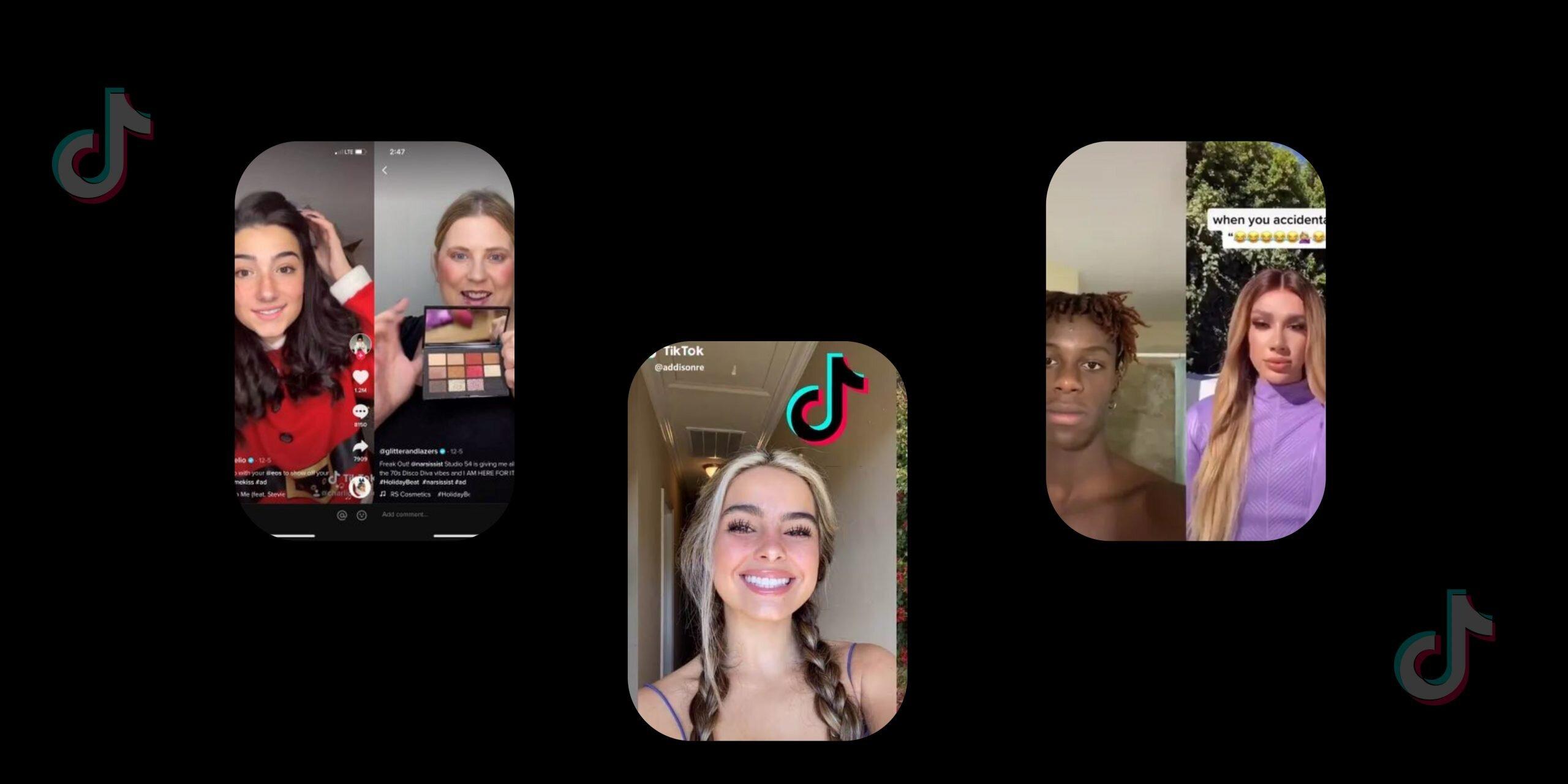
In the evolving landscape of digital marketing, social media influencers play a critical role in shaping brand narratives and consumer engagement. Among the multitude of platforms, TikTok has emerged as a dominant force, transforming the way content is created and consumed. This article embarks on a comparative analysis of TikTok influencers and their counterparts across other social media channels, such as Instagram and YouTube. By examining their engagement strategies, audience demographics, content creation techniques, and overall impact on brand partnerships, we aim to uncover the unique attributes that distinguish TikTok influencers from their peers. As businesses navigate the complexities of influencer marketing, understanding these differences is vital for optimizing campaigns and maximizing reach in an increasingly competitive digital landscape.
Table of Contents
- Analyzing Audience Engagement Metrics Between TikTok Influencers and Their Social Media Peers
- Evaluating Content Creation Strategies: TikTok versus Traditional Platforms
- Assessing Brand Collaboration Effectiveness for TikTok Influencers Compared to Other Social Media Creators
- Identifying Best Practices for Growing Influence on TikTok Relative to Competitive Social Media Channels
- Wrapping Up
Analyzing Audience Engagement Metrics Between TikTok Influencers and Their Social Media Peers
As brands continue to invest in digital marketing, understanding audience engagement metrics has become paramount, particularly when comparing TikTok influencers to their peers across other social media platforms. TikTok’s unique algorithm allows for virality that is often unmatched, translating into significant engagement rates. For instance, likes, comments, and shares frequently outpace those seen on platforms like Instagram and Twitter. A straightforward comparison highlights the differences:
| Platform | Average Engagement Rate | Content Type |
|---|---|---|
| TikTok | 10-15% | Short-form video |
| 1-3% | Images/Videos | |
| 0.5-2% | Text/Images/Videos |
Moreover, TikTok influencers often cultivate a distinct rapport with their audience, characterized by a more personal touch. This interaction fosters a sense of community, which can lead to heightened loyalty and advocacy among followers. Influencers on platforms like YouTube and Facebook, while effective, may not achieve the same level of energetic engagement. Factors contributing to this disparity include:
- Format Flexibility: TikTok encourages creativity with trend-driven challenges.
- Short Attention Spans: Users prefer quick, snackable content that TikTok excels in.
- Authenticity: Influencers who blend entertainment with relatable content often resonate more strongly with TikTok audiences.
Evaluating Content Creation Strategies: TikTok versus Traditional Platforms
In the world of digital marketing, the emergence of platforms like TikTok has transformed content creation strategies considerably. Unlike traditional platforms such as Instagram and Facebook, which rely heavily on polished visuals and curated aesthetics, TikTok thrives on authenticity and raw creativity. Features like short-form videos allow influencers to engage audiences effectively with witty edits, challenges, and trends. Here, the focus is more on entertainment and relatability than perfection, leading to a more dynamic and fast-paced content environment. This approach often results in higher engagement rates, as users feel more connected to personalities who present themselves candidly.
When comparing TikTok influencers to their peers on traditional platforms, a few distinct advantages emerge. Consider the following points:
- Virality: TikTok’s algorithm is engineered to favor content that resonates broadly, allowing for rapid virality and organic reach.
- Demographics: While TikTok’s user base skews younger, traditional platforms generally cater to a more diverse age demographic.
- Content Lifespan: TikTok trends can spike and fade within days, whereas posts on platforms like Instagram may enjoy a longer relevance period.
To better illustrate the differences in engagement and reach, consider the following table summarizing key metrics for TikTok influencers versus traditional platform influencers:
| Platform | Average Engagement Rate | Content Lifespan | Demographic Reach |
|---|---|---|---|
| TikTok | 7.08% | 2-7 days | 16-24 years |
| 3.86% | 5-10 days | 18-35 years |
Assessing Brand Collaboration Effectiveness for TikTok Influencers Compared to Other Social Media Creators
When evaluating the impact of brand collaborations, TikTok influencers often stand out due to the platform’s unique engagement metrics and user demographics. Engagement rates tend to be higher on TikTok than on traditional social media platforms like Instagram and Facebook. This can be attributed to TikTok’s algorithm, which promotes content based on user interests rather than follower counts alone. The factors that contribute to this success include:
- Authenticity: Content creators on TikTok often focus on relatable, unpolished videos, fostering a sense of connection with their audience.
- Short-Form Content: The quick and catchy format allows influencers to capture attention rapidly and encourage immediate action.
- Viral Potential: TikTok’s trends can create opportunities for brands to achieve widespread visibility in a remarkably short time.
By contrast, other social media creators may excel in sustained brand loyalty and create polished, professional content. However, their engagement may not match the rapid interaction seen on TikTok. A preliminary comparison of average engagement rates across various platforms illustrates this disparity:
| Platform | Average Engagement Rate (%) |
|---|---|
| TikTok | 17.96 |
| 3.19 | |
| 0.27 | |
| YouTube | 1.87 |
This table clearly illustrates that TikTok offers distinct advantages in terms of engagement, allowing brands to connect more organically with their audience. As brands consider partnership opportunities, the unique dynamics of TikTok should play a significant role in their evaluations of influencer effectiveness across platforms.
Identifying Best Practices for Growing Influence on TikTok Relative to Competitive Social Media Channels
In the fast-paced world of social media, TikTok stands out with its blend of entertainment and creativity, appealing primarily to younger audiences. One effective strategy for growing influence on TikTok is utilizing engaging and authentic content. Unlike platforms like Instagram or Facebook, where polished images often dominate, TikTok rewards spontaneity and relatability. Influencers can capitalize on this by focusing on the following aspects:
- Short, attention-grabbing videos: Content that hooks viewers within the first few seconds tends to perform better.
- Participating in trends: Leveraging current hashtags and challenges broadens visibility.
- Interactivity: Collaborating with fans through duets, stitches, and comments fosters community engagement.
Furthermore, compared to other social platforms, TikTok allows influencers to quickly pivot their content strategy based on performance analytics. This agility is crucial for maintaining relevance in an ever-evolving digital landscape. To illustrate this adaptability, consider the following comparison with Instagram and Twitter:
| Platform | Content Type | Engagement Tactics | Growth Speed |
|---|---|---|---|
| TikTok | Short Videos | Trends, Duets | Fast |
| Images/Videos | Stories, Hashtags | Moderate | |
| Text/Images | Retweets, Threads | Slow |
Wrapping Up
the landscape of social media influence is ever-evolving, with TikTok influencers carving out a distinctive niche that sets them apart from their peers on platforms like Instagram, YouTube, and Twitter. While traditional influencers often rely on polished aesthetics and curated content, TikTok creators thrive on authenticity, spontaneity, and the power of virality. This comparative analysis underscores the unique methodologies and engagement strategies employed by TikTok influencers, highlighting their ability to reach audiences in impactful and innovative ways.
As we navigate the complexities of digital influence, it is essential to recognize the shifting dynamics within the social media ecosystem. TikTok’s format not only fosters genuine connections but also challenges conventional marketing paradigms, prompting brands to rethink their approaches. Ultimately, while TikTok influencers may operate under a different framework, their ability to engage and resonate with users positions them as formidable players in the broader social media landscape.
Going forward, as the lines between these platforms continue to blur, it is crucial for marketers and brands to adapt their strategies to harness the unique advantages of each channel. By appreciating the nuances of TikTok influence in comparison to its counterparts, we can better understand the future of digital marketing and the evolving nature of audience engagement.