
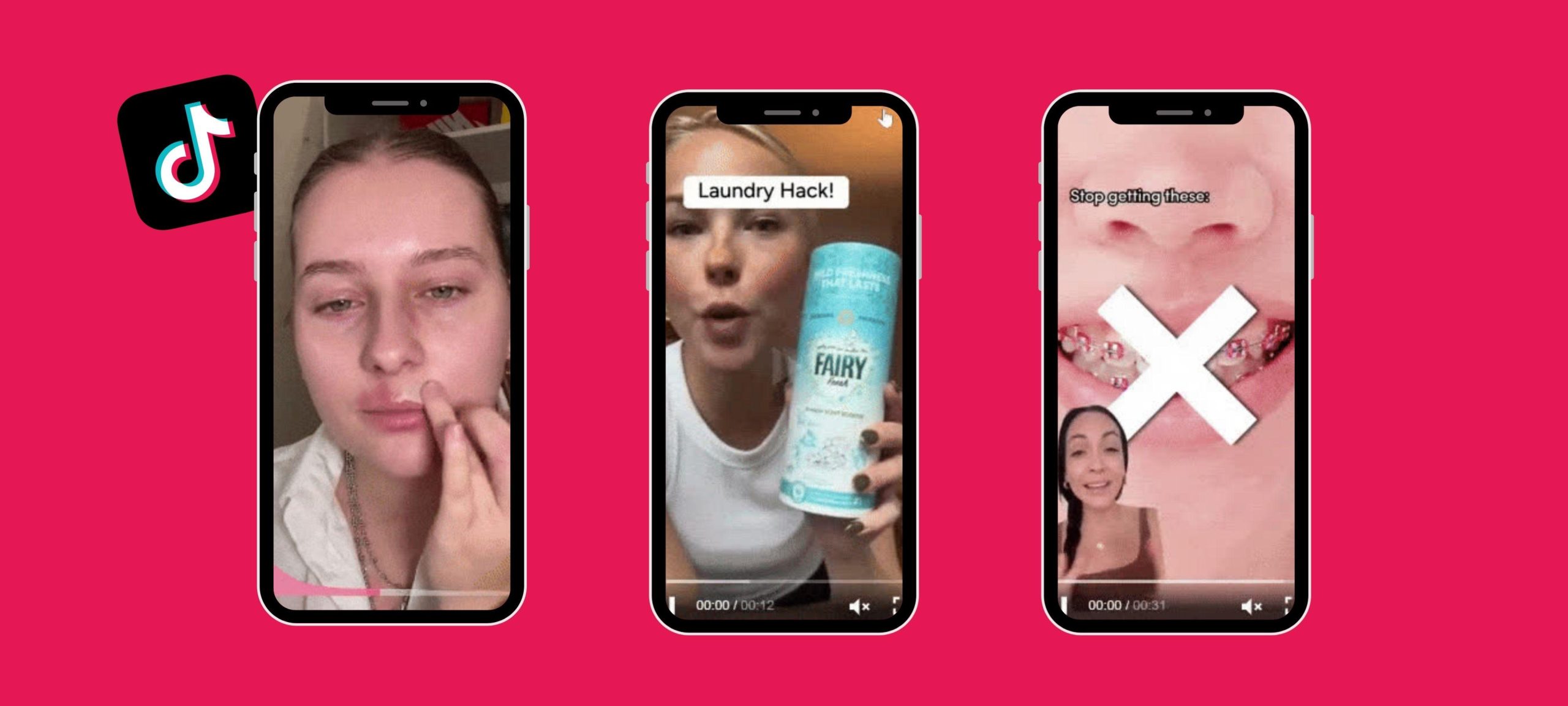
In the ever-evolving landscape of digital marketing, understanding the nuances of targeted advertising across different platforms is crucial for businesses seeking to optimize their outreach strategies. Among the giants of social media, TikTok and Facebook stand out not only for their vast user bases but also for their distinctive approaches to advertising. TikTok, with its emphasis on creative, short-form video content, captures a predominantly younger audience, while Facebook, long established as a leader in social connectivity, offers a more diverse demographic across its vast ecosystem. This article aims to dissect the methodologies employed by both platforms in their targeted advertising efforts, exploring the algorithms, user engagement metrics, and ad formats that define their respective strategies. By comparing TikTok’s innovative, trend-driven approach to Facebook’s data-rich, demographic targeting, we aim to shed light on the effectiveness and implications of each strategy for marketers navigating the complex world of social media advertising.
Table of Contents
- Understanding Audience Segmentation Strategies in TikTok and Facebook
- Evaluating Content Algorithms and Their Impact on Ad Effectiveness
- Analyzing User Engagement Metrics for Targeted Advertising Success
- Recommendations for Optimizing Advertising Campaigns Across Platforms
- To Conclude
Understanding Audience Segmentation Strategies in TikTok and Facebook
Audience segmentation plays a crucial role in the effectiveness of targeted advertising on platforms like TikTok and Facebook. Both platforms utilize advanced algorithms and data analytics to dissect user behavior, allowing advertisers to reach specific demographics effectively. On TikTok, campaigns can be tailored based on factors such as age, location, interests, and behaviors. This platform fosters creativity, encouraging advertisers to employ engaging formats like short videos, challenges, and trends that resonate with its youthful audience. In contrast, Facebook’s segmentation strategies delve even deeper, leveraging its extensive user data. Advertisers can create audiences based on custom data uploads, detailed interest categories, and even life events, resulting in highly personalized advertising experiences that speak directly to potential customers.
When comparing audience engagement across these platforms, TikTok’s algorithm has a unique advantage due to its emphasis on viral content. It encourages user interaction through a mix of entertainment and authenticity, which can lead to higher engagement rates. For instance, brands utilizing TikTok’s targeted advertising can tap into niche communities, such as hobbyists, style enthusiasts, or fitness lovers, fostering a culture of participation. On the other hand, Facebook remains the leader in comprehensive user profiling. The ability to integrate website visitor data into audience segmentation allows for powerful retargeting strategies. Below is a comparative overview of audience segmentation strategies:
| Feature | TikTok | |
|---|---|---|
| Data Utilization | Younger, trend-driven demographic data | Extensive user data including interests and behaviors |
| Ad Format | Short videos, challenges | Images, videos, links, carousels |
| Community Engagement | High interaction, virality | Targeted retargeting, detailed segmentation |
Evaluating Content Algorithms and Their Impact on Ad Effectiveness
When it comes to the landscape of targeted advertising, TikTok and Facebook employ distinct algorithms that significantly influence the effectiveness of promotional campaigns. TikTok’s algorithm is primarily driven by user engagement metrics, such as the number of likes, shares, and comments a video accumulates. This focus creates a dynamic ad environment where content is prioritized based on its relatability and visual appeal. Consequently, brands that harness TikTok’s strengths can create immersive ad experiences that resonate with a younger, more visually oriented audience. In contrast, Facebook’s algorithm leans heavily on users’ interests and demographic data, allowing advertisers to deliver personalized ads based on extensive user profiles. This approach maintains high relevance but risks becoming stale due to the potential overshadowing of emerging content trends.
Furthermore, the outcomes of these algorithmic differences can be illustrated in their respective engagement metrics. Brands leveraging TikTok may experience rapid virality through short, attention-grabbing videos, appealing to trends in real-time. The following table summarizes key performance indicators for advertising on both platforms:
| Platform | Engagement Rate | Targeting Precision | Ad Format Versatility |
|---|---|---|---|
| TikTok | High | Moderate | Video-centric |
| Moderate | High | Multi-format |
This variation highlights how TikTok can propel brand visibility through engaging content while Facebook’s detailed consumer insights facilitate targeted messaging. Understanding these nuances enables marketers to choose platforms that align with their campaign goals, ensuring a more effective ad strategy across social media landscapes.
Analyzing User Engagement Metrics for Targeted Advertising Success
In the rapidly evolving landscape of digital marketing, understanding user engagement metrics is pivotal. TikTok and Facebook, two giants in the social media arena, adopt distinctive strategies for targeted advertising, driven largely by their respective user engagement data. TikTok’s algorithm, for instance, places a significant emphasis on short video consumption patterns, leading advertisers to focus on capturing attention quickly. By analyzing metrics such as likes, shares, and comments, brands can refine their content to resonate with an audience that favors authenticity and entertainment. On the other hand, Facebook leverages a more traditional approach based on user behavior data—demographics, interests, and social connections—creating a multidimensional ad experience that caters to a diverse user base.
Comparatively, the effectiveness of targeted ads on each platform can be illustrated through core engagement metrics. Table 1 below highlights the key performance indicators (KPIs) for both platforms, showcasing how they optimize advertising strategies differently:
| Metric | TikTok | |
|---|---|---|
| Engagement Rate | High due to short-form content | Moderate, influenced by user demographics |
| Click-Through Rate (CTR) | Strong for trendy content | Stronger for targeted demographic ads |
| Return on Advertising Spend (ROAS) | Promising for brand awareness | Well-established for conversion-focused campaigns |
This comparative analysis of user engagement metrics underscores the necessity for brands to tailor their advertising strategies according to the platform’s unique user interactions. While TikTok’s engaging, trend-driven environment fosters rapid user connection, Facebook’s robust data-driven approach allows for nuanced segmentation, making it essential for advertisers to consider where their audience spends its time to maximize success.
Recommendations for Optimizing Advertising Campaigns Across Platforms
To maximize the effectiveness of advertising campaigns across TikTok and Facebook, brands should first focus on understanding their target demographics and engagement patterns unique to each platform. TikTok boasts a younger audience with a preference for dynamic and visually appealing content, while Facebook attracts a more diverse age range and fosters in-depth social connections. Tailoring your content to resonate with the specific user base is crucial; therefore, brands should consider employing short-form videos on TikTok and longer, information-rich posts on Facebook to engage users effectively. In addition, leveraging influencer partnerships on TikTok can amplify visibility, while community-driven ads on Facebook can generate meaningful interactions and discussions.
Moreover, optimizing ad placements and formats according to each platform’s strengths can lead to better results. For TikTok, utilizing the In-Feed Ads, Branded Hashtag Challenges, and TopView ads can be highly effective in catching user attention. In contrast, Facebook’s Carousel ads and Dynamic Product Ads allow for a more detailed presentation of offerings, catering to users’ desire for comprehensive product information. Additionally, brands should regularly analyze their campaign performance metrics, such as engagement rates, click-through rates, and user feedback, to refine advertising strategies continuously and ensure alignment with their overall marketing objectives.
To Conclude
while both TikTok and Facebook have harnessed the power of targeted advertising to connect brands with their desired audiences, their approaches reflect the unique characteristics of their respective platforms. TikTok’s algorithm is lauded for its ability to surface relevant content and advertisements organically, driven by user engagement and preferences, which fosters a more immersive experience for users. In contrast, Facebook’s extensive user data and sophisticated demographic targeting provide advertisers with a more granular approach, allowing for tailored campaigns that can reach specific audience segments with precision.
As these two giants continue to evolve in the digital advertising landscape, the choice between TikTok’s dynamic, engagement-focused model and Facebook’s data-driven, targeted strategy ultimately depends on the goals of advertisers and the behaviors of their target audiences. Each platform presents distinct advantages and challenges, requiring marketers to carefully consider how their messages will resonate within the unique ecosystems of TikTok and Facebook. As the digital marketing arena grows increasingly competitive, understanding these differences will be crucial for businesses aiming to optimize their advertising efforts and achieve meaningful connections with consumers.