
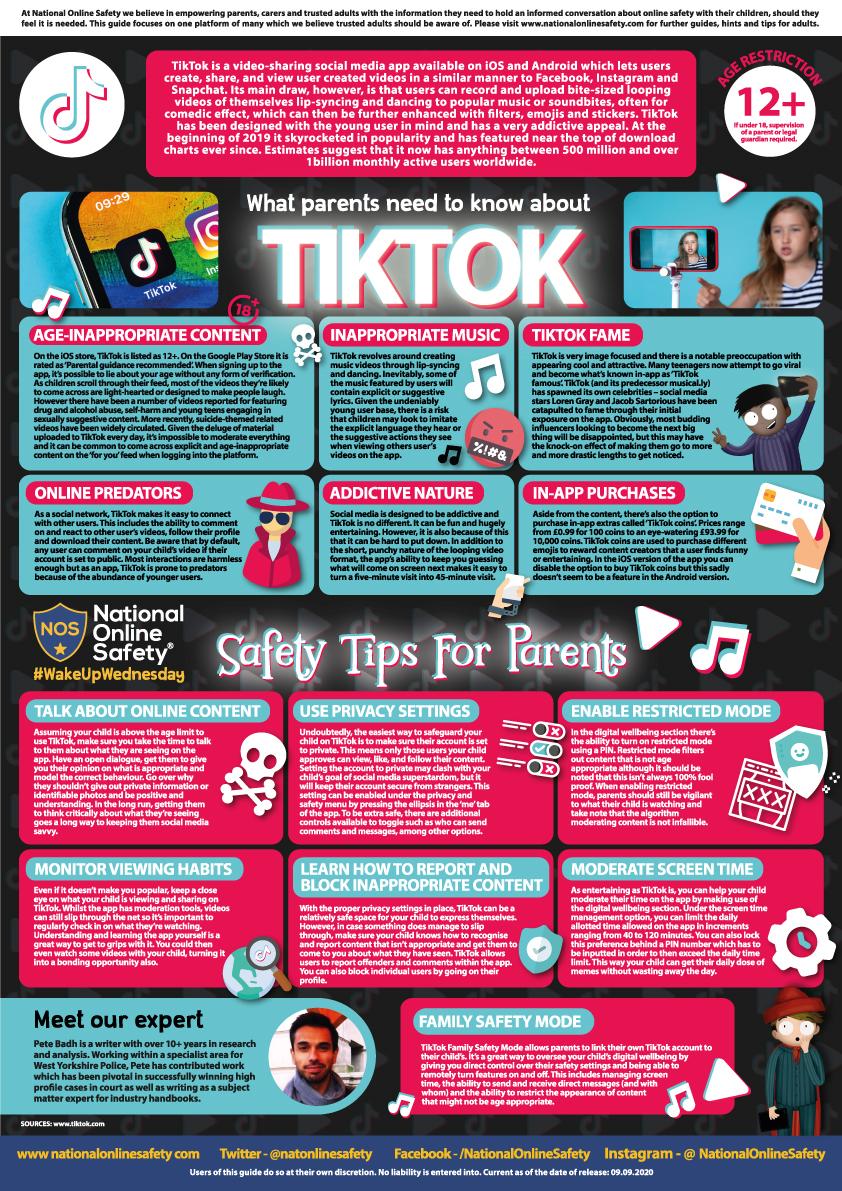
In the digital age, social media platforms like TikTok have become an integral part of daily life, particularly for younger audiences who use the app to connect, create, and share. However, as with all online spaces, the vibrant world of TikTok comes with its own set of risks and challenges. From exposure to inappropriate content to concerns about data privacy, ensuring a safe environment for both users and parents has never been more crucial. In this article, we will explore essential tips and resources that can empower users to navigate TikTok responsibly while equipping parents with the knowledge they need to keep their children safe. Whether you’re a seasoned TikTok enthusiast or a concerned parent, understanding how to harness the platform’s potential while mitigating its risks is key to a positive experience. Let’s dive into the strategies that promote safety and peace of mind in this dynamic social landscape.
Table of Contents
- Understanding TikToks Privacy Settings and Features
- Best Practices for Safe Content Creation and Sharing
- Guidelines for Parental Supervision and Communication
- Recognizing and Responding to Online Risks and Challenges
- To Wrap It Up
Understanding TikToks Privacy Settings and Features
To enhance your experience on TikTok while maintaining privacy, it’s crucial to familiarize yourself with the platform’s various settings. By default, many accounts are set to public, allowing anyone to view and interact with content. However, users can switch to a private account to ensure that only approved followers can see their videos. This feature promotes a safer environment, especially for younger users. To modify your account settings, simply visit your profile, tap on the three dots in the upper right corner, and navigate to the privacy section. Here, you’ll find options to manage who can comment on your videos, send you direct messages, and even view your liked content.
In addition to adjusting account visibility, TikTok offers several other protective features that users should take advantage of. These include:
- Restricted Mode: Aimed at filtering out inappropriate content.
- Comment Filters: Users can set specific keywords that will automatically hide comments containing those words.
- Duet and Stitch Controls: Manage who can create duet or stitch videos with yours.
- Family Pairing: This feature enables parents to link their accounts for better oversight, allowing them to set daily screen time limits and restrict content based on age ratings.
It’s also important to remind young users about the significance of being mindful when sharing personal information. TikTok’s privacy settings allow for user control over their profile information visibility, including profile picture, bio, and linked accounts. By fostering a dialogue between parents and their children about these settings, you can help create a safer online community for TikTok users.
Best Practices for Safe Content Creation and Sharing
Creating and sharing content on platforms like TikTok can be an enriching experience, but it’s essential to follow certain guidelines to ensure safety. Users should always protect their privacy by adjusting their account settings to limit who can view their content. Enabling features like private profiles and restricting direct messages to friends can help safeguard against unwanted interactions. Additionally, being mindful of the information shared in videos, such as personal details, location tags, or sensitive topics, can prevent potential online risks.
Parents play a crucial role in guiding their children through the digital landscape. It’s vital for them to engage in open discussions about safe online behavior, setting clear rules regarding content creation and sharing. Encouraging their children to think critically about what they post and the potential impact it may have is equally important. Here are some tips for parents to consider:
- Supervise app usage – Regularly check in on the content their children are creating or engaging with.
- Set time limits – Establish guidelines for how much time can be spent on the platform daily.
- Educate about digital footprints – Teach children about how their online actions can affect their future.
- Encourage reporting – Encourage replacing negative experiences with positive ones by reporting inappropriate content or behavior.
Guidelines for Parental Supervision and Communication
Effective supervision and communication are vital components when it comes to ensuring a safe experience on TikTok for all users, especially younger ones. First and foremost, establish open dialogues with your children about their TikTok use. Encourage them to share their thoughts on the content they see and the accounts they follow. This practice not only fosters trust but also helps parents identify any potential risks. Set aside regular times to discuss online experiences and ensure that your child feels comfortable coming to you with any concerns, especially regarding interactions with strangers or inappropriate content.
In addition to communication, active supervision can make a significant difference. Utilize TikTok’s in-app features to customize privacy settings, ensuring that younger users can enjoy the platform responsibly. Here are some practical steps for effective oversight:
- Review privacy settings together and adjust them according to your family’s comfort level.
- Monitor the content your child posts and encourage responsible sharing.
- Limit screen time and encourage alternative activities to maintain a balanced lifestyle.
Lastly, consider creating a family agreement that outlines acceptable behavior on social media. This could include guidelines on sharing personal information, engaging with followers, and what types of content are appropriate. Here’s a simple table for a family agreement template:
| Guideline | Description |
|---|---|
| Privacy | No sharing of personal information (address, phone number). |
| Content Sharing | Only share appropriate and respectful content. |
| Interactions | Do not chat with people you don’t know in real life. |
Recognizing and Responding to Online Risks and Challenges
In today’s digital landscape, users must stay vigilant about the potential pitfalls of social media platforms like TikTok. It’s crucial for individuals, especially young users, to learn how to identify common online risks. Cyberbullying, exposure to inappropriate content, and privacy breaches are prevalent threats that can impact users emotionally and psychologically. By establishing open channels of communication within families, parents can help their children recognize these dangers and encourage them to report any suspicious or upsetting behavior they experience on the platform. Educational resources and workshops can also equip users with the necessary tools to navigate these challenges safely.
Proactive measures are essential in effectively mitigating these online risks. Here are some practical strategies that both users and parents can adopt:
- Adjust Privacy Settings: Regularly review and customize TikTok’s privacy settings to control who can see your content and interact with you.
- Monitor Content Creation: Parents should engage with their children’s TikTok activity, discussing the content they create and the challenges they face.
- Encourage Critical Thinking: Teach children to critically assess trends, challenges, and profiles they encounter to promote safe navigation.
- Report and Block Features: Familiarize users with the reporting and blocking tools available on TikTok to quickly respond to any harmful interaction.
Additionally, awareness of the emotional impact these online risks can have is paramount. Parents should foster an environment where children feel safe to express their feelings and concerns about their online experiences. To facilitate this, consider using resources like the table below to initiate conversations about online safety:
| Risk | How to Address |
|---|---|
| Cyberbullying | Encourage reporting and create a support system. |
| Inappropriate Content | Discuss why certain content is harmful. |
| Privacy Breaches | Review and strengthen privacy settings together. |
To Wrap It Up
navigating the vibrant and dynamic world of TikTok can be a thrilling experience, teeming with creativity and connection. However, as with any social media platform, safety should always remain a top priority for both users and parents. By taking proactive steps—like adjusting privacy settings, fostering open communication, and educating younger users about digital citizenship—you can create a safer online environment.
Remember, fostering a positive experience on TikTok requires ongoing dialogue between parents and children, ensuring that users feel empowered to share their experiences while also practicing caution. As we continue to embrace innovation in social media, making informed choices can help us enjoy all the platform has to offer without compromising safety. Stay informed, stay vigilant, and most importantly, enjoy the journey as a conscientious TikTok user or a supportive guardian.