
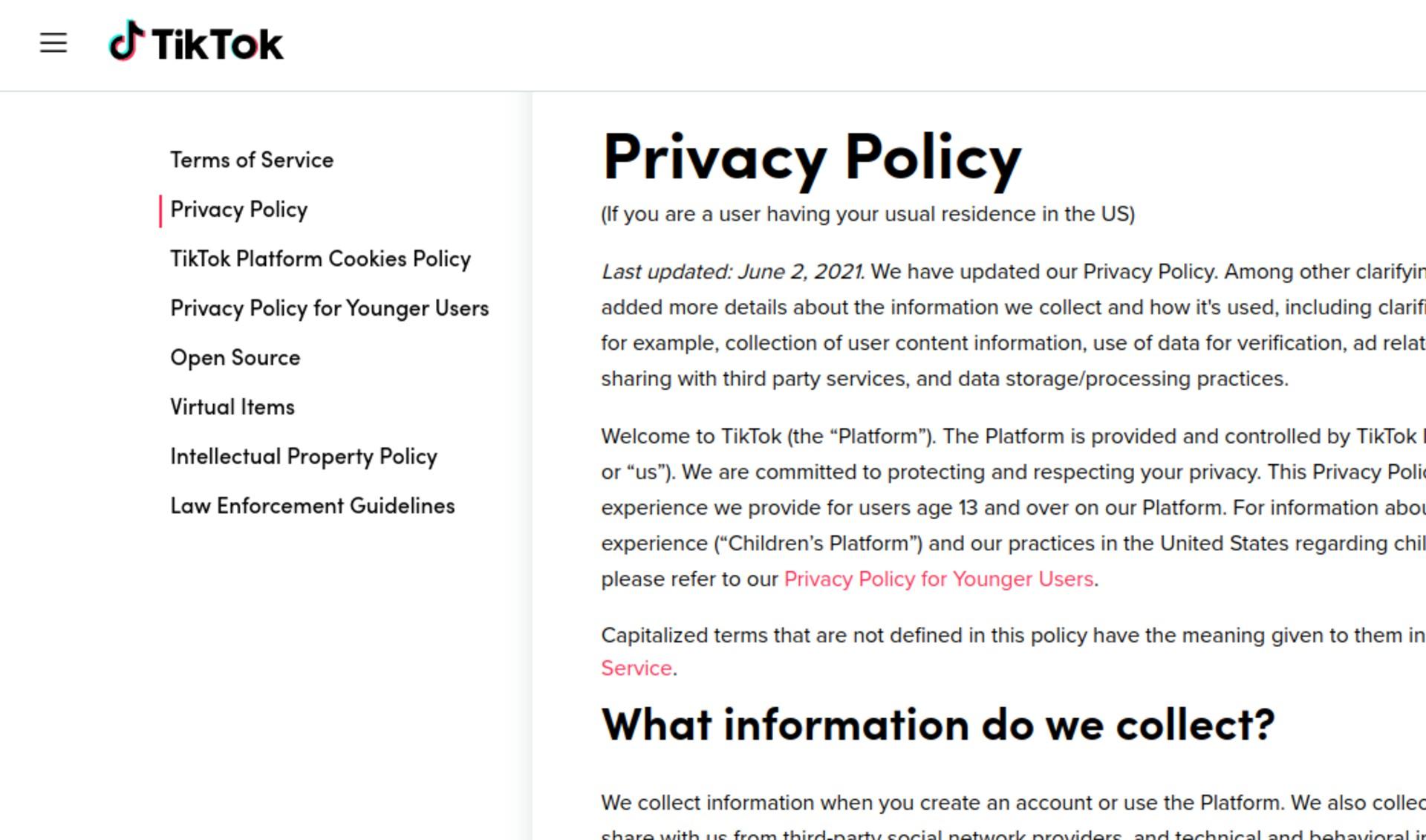
In the rapidly evolving digital landscape, mobile applications have become increasingly integrated into our daily lives, with TikTok emerging as a prominent player in the social media sphere. As the platform continues to gain traction among diverse user demographics, concerns surrounding app privacy and data security have intensified, prompting both users and regulatory bodies to scrutinize its practices. This article aims to evaluate TikTok’s recent measures to bolster app privacy and security, exploring the technical frameworks it has implemented, the challenges it faces amid global scrutiny, and the implications these developments may have for user trust and regulatory compliance. By analyzing TikTok’s approach, including data encryption techniques, user consent protocols, and transparency initiatives, we will provide a comprehensive overview of its commitment to safeguarding user information in an increasingly complex digital ecosystem. Through this evaluation, we seek to contribute to the ongoing dialogue regarding the balance between innovation and privacy in the age of pervasive connectivity.
Table of Contents
- Understanding TikToks App Privacy Framework and Policy Changes
- Analyzing the Effectiveness of Data Encryption and User Controls
- Evaluating Compliance with International Privacy Regulations
- Recommendations for Strengthening User Data Protection Practices
- In Retrospect
Understanding TikToks App Privacy Framework and Policy Changes
In recent months, TikTok has implemented a series of updates and modifications to its privacy framework aimed at boosting user trust and data security. Central to this initiative is the transparency of data handling practices, which involves clear communication about what data is collected, how it is used, and with whom it is shared. Key components of these changes include:
- User Data Audit: Periodic reviews to ensure compliance with data protection laws.
- Enhanced Control Features: Options for users to manage their privacy settings more comprehensively.
- Regular Privacy Updates: Ongoing updates to inform users of any changes in policy or data management.
Moreover, TikTok has sought to align its practices with global privacy regulations, ensuring that features cater to different legal landscapes. For instance, the introduction of a dedicated Privacy and Security Center allows users to access tools and resources related to their accounts. Below is a simplified overview of some key policy adjustments:
| Policy Area | Notes |
|---|---|
| Data Storage | Data is now primarily stored locally within the user’s region. |
| Third-party Sharing | Stricter conditions for sharing data with external partners. |
| User Consent | Enhanced consent requirements for data collection, especially for minors. |
Analyzing the Effectiveness of Data Encryption and User Controls
Data encryption serves as a critical line of defense in safeguarding user information on platforms like TikTok. The app employs end-to-end encryption for certain data types, which ensures that personal content is only accessible by the intended user and not intercepted during transmission. However, while encryption is beneficial, its effectiveness is contingent upon a well-implemented infrastructure and user controls that empower individuals to manage their privacy settings. Users must be educated on how to utilize these controls effectively, including options to limit data sharing and manage their visibility. The following factors contribute to the overall effectiveness of TikTok’s data encryption and user controls:
- Data Type Sensitivity: The level of encryption applied varies based on the sensitivity of the data.
- User Awareness: Empowering users through education on privacy settings enhances data protection.
- Regular Updates: Continuous updates to encryption protocols help address emerging threats.
Moreover, the interplay between user controls and encryption practices is essential for a robust privacy framework. TikTok has introduced features such as customizable privacy settings, allowing users to dictate who can view their content. To illustrate the effectiveness of these measures, a comparison of user control features can highlight their influence on overall privacy protection:
| User Control Feature | Encryption Level |
|---|---|
| Profile Privacy Settings | High |
| Direct Messaging Controls | Medium |
| Data Download Feature | Variable |
| Ad Tracking Preferences | Low |
while encryption provides a significant protective layer, the efficacy of TikTok’s privacy measures largely hinges on user engagement with their controls. A collaborative approach, where users are encouraged to take charge of their data security, will pave the way for enhanced overall trust in the platform.
Evaluating Compliance with International Privacy Regulations
In an increasingly digital world, adherence to international privacy regulations is paramount for app developers, and TikTok is no exception. Their recent initiatives highlight a proactive approach towards compliance with prominent laws, including the General Data Protection Regulation (GDPR) in Europe and the California Consumer Privacy Act (CCPA). TikTok has implemented a variety of measures, such as enhanced user consent processes, comprehensive data access requests, and the introduction of a robust privacy policy that emphasizes transparency. Key features include:
- User Education: TikTok has initiated campaigns to inform users about their rights under various regulations.
- Data Minimization: The app now collects only the necessary data, promoting privacy by design.
- Third-Party Accountability: They have strengthened their contracts with third-party vendors to ensure compliance across service providers.
Moreover, TikTok has established a Privacy Center, which acts as a centralized repository for privacy-related inquiries and resources. This feature allows users to monitor their data handling preferences more effectively. To evaluate the effectiveness of these compliance measures, one can consider the following parameters:
| Parameter | Description | Status |
|---|---|---|
| User Consent | Clarity and ease of understanding of consent forms | Implemented |
| Data Request Fulfillment | Timeliness and completeness of user data requests | Ongoing Improvement |
| Transparency Reports | Regular updates on data policies and incidents | Quarterly Reviews |
Recommendations for Strengthening User Data Protection Practices
To enhance user data protection, it is essential for TikTok to implement several proactive measures. User education should be prioritized, empowering individuals to make informed decisions regarding their privacy settings. Comprehensive tutorials and prompts during the onboarding process can guide users on how to adjust their settings according to their personal comfort levels. Additionally, transparency around data usage is critical; TikTok should clearly outline what data is collected, its purpose, and how long it is retained. Streamlined, accessible privacy policies that are written in plain language can significantly improve user comprehension and trust.
Moreover, rigorous security protocols must be established to safeguard user information from breaches. Implementing stronger encryption methods and regular security audits will bolster overall data safety. TikTok should also consider employing user anonymity features, allowing users to engage with the app without revealing personal identifiable information. Ultimately, fostering a culture of privacy-centric innovation will not only enhance user confidence but also position TikTok as a leader in data protection within the social media landscape.
In Retrospect
the evaluation of TikTok’s measures for enhanced app privacy and security reveals a complex landscape that balances user engagement with the imperative of safeguarding personal data. While the platform has implemented a variety of technical protocols and policies aimed at mitigating risks and enhancing transparency, the effectiveness of these measures remains subject to ongoing scrutiny. As digital privacy continues to gain prominence in regulatory discussions and consumer awareness, TikTok’s commitment to evolving its security practices will be vital in establishing trust and maintaining user confidence. Stakeholders—including users, regulatory bodies, and the broader technological community—must remain vigilant in assessing the platform’s adherence to its stated objectives and the implications for user privacy in an increasingly interconnected world. The path forward will undoubtedly involve a collaborative effort to navigate the intricacies of app security and data protection, ensuring that user privacy is not just an afterthought, but a foundational element of digital interaction.