
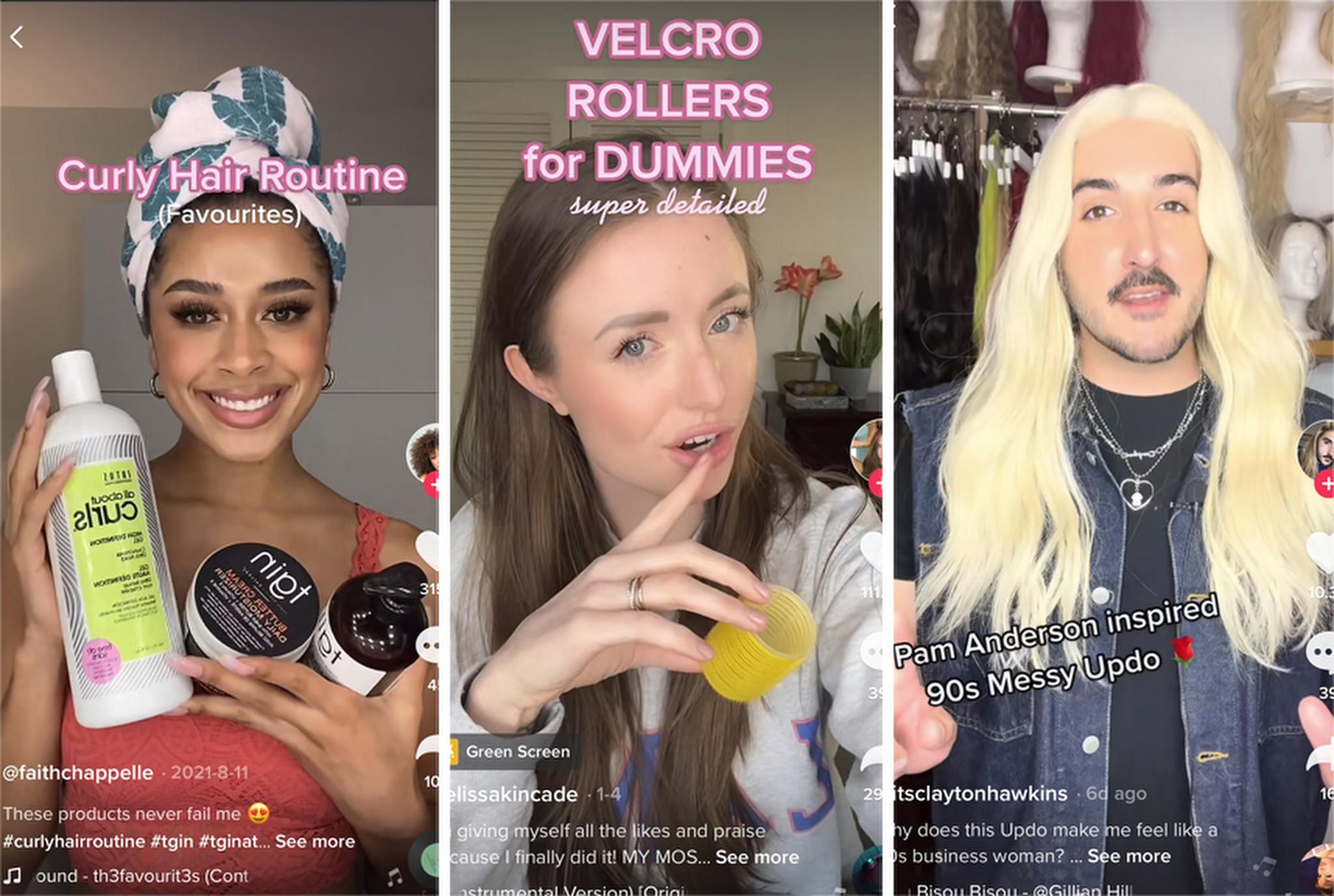
In recent years, the rise of social media platforms has transformed the landscape of beauty and personal expression, with TikTok emerging as a dominant force in shaping contemporary beauty standards. With its short-form videos and viral challenges, the platform has fostered a new generation of influencers who rapidly gain popularity and sway public perception. This article delves into the intricate relationship between TikTok influencers and modern beauty ideals, exploring how their content not only reflects but also actively shapes the aesthetic preferences of millions worldwide. As we unpack the implications of this phenomenon, we aim to understand the potential impacts on self-image, consumer behavior, and the evolving definitions of beauty in the digital age.
Table of Contents
- Understanding the Impact of TikTok Influencers on Cultural Beauty Norms
- Analyzing User Engagement and Its Role in Promoting Beauty Trends
- Evaluating Diversity and Representation Among TikTok Beauty Influencers
- Recommendations for Consumers and Brands in Navigating Beauty Standards on TikTok
- In Retrospect
Understanding the Impact of TikTok Influencers on Cultural Beauty Norms
The rise of TikTok influencers has dramatically reshaped contemporary beauty standards, drawing attention to both the diversity and uniformity within beauty norms. With millions of followers, these influencers wield a level of influence that can alter perceptions of attractiveness overnight. This platform encourages the proliferation of trends that often emphasize specific aesthetics, which can simultaneously promote inclusivity and perpetuate unrealistic ideals. Some of the most notable trends include:
- Glowing skin tips and makeup hacks
- The “clean girl” aesthetic
- Body positivity and the acceptance of various body types
However, the impact is nuanced, as influencers sometimes face backlash for conforming to traditional beauty standards that can marginalize those who don’t fit the mold. The rapid spread of curated content can lead to a homogenization of beauty ideals, where popular looks and styles mimic one another. To understand this phenomenon further, we can analyze two key contrasting elements in influencer content:
| Element | Description |
|---|---|
| Diversity | Promoting a variety of beauty looks, embracing non-traditional aesthetics |
| Uniformity | Trends that emphasize similar features, leading to collective mimicry |
Analyzing User Engagement and Its Role in Promoting Beauty Trends
User engagement on platforms like TikTok is not just a metric; it’s a driving force that shapes beauty trends and standards. When beauty influencers connect with their audience through authentic content, they create a ripple effect that can lead to viral trends. The interactive nature of TikTok allows users to comment, share, and participate actively, giving rise to a community that influences one another’s beauty choices. Engaging with followers through Q&A sessions, live demonstrations, and challenges fosters a sense of belonging, which is essential for sustaining interest in emerging beauty products and techniques. As beauty influencers present new looks or styles, their followers often replicate these trends, enhancing the speed at which they spread across the platform.
The role of user engagement in promoting beauty trends is further illustrated by analyzing the types of content that generate excitement and conversation. Content that is visually appealing and resonates with the cultural zeitgeist tends to attract more views and interaction. Below is a brief overview of the content types and their impact:
| Content Type | User Engagement Impact |
|---|---|
| Tutorials | High – Encourages sharing and reposting |
| Reviews | Moderate – Influences purchase decisions |
| Challenges | Very High – Promotes viral participation |
These content strategies reveal how effective engagement can transform individual posts into significant cultural movements. As users participate, they not only reinforce trends but also contribute to the evolving landscape of beauty standards, showcasing the power of community-driven content on platforms like TikTok.
Evaluating Diversity and Representation Among TikTok Beauty Influencers
As TikTok continues to shape modern beauty standards, the platform has become a crucial space for evaluating diversity and representation within the beauty influencer community. Many creators bring their unique cultural backgrounds and perspectives to the forefront, challenging traditional norms and offering a broader definition of beauty. This has led to the emergence of influencers who cater to a variety of skin tones, body types, and styles, prompting discussions about inclusivity in the beauty industry.
However, while some influencers succeed in amplifying diverse voices, others perpetuate narrow standards that still favor specific aesthetics. Examination of the follower demographics and engagement rates among TikTok beauty influencers reveals disparities in representation that merit attention. Consider the following table outlining some prominent influencers and their attributed characteristics:
| Influencer | Ethnicity | Follower Count (millions) | Content Focus |
|---|---|---|---|
| @HudaBeauty | Middle Eastern | 4.0 | Makeup Tutorials |
| @MakeupByMario | Hispanic | 3.5 | Professional Techniques |
| @TessHolliday | Caucasian | 2.8 | Body Positivity |
| @Nabela | South Asian | 2.0 | Diversity in Beauty |
This data illustrates the variety of backgrounds represented on TikTok, yet it also highlights the need for ongoing evaluation. The challenge remains to elevate more influencers who truly reflect the diversity of the global audience while ensuring that engagement metrics do not solely dictate visibility. Activating cross-cultural dialogues and sharing authentic experiences can enhance representation further, fostering a more inclusive beauty narrative across social media platforms.
Recommendations for Consumers and Brands in Navigating Beauty Standards on TikTok
As beauty standards continue to evolve through platforms like TikTok, consumers must remain vigilant in differentiating between achievable looks and heavily edited images. Here are some recommendations for individuals:
- Promote Self-Love: Focus on celebrating your unique features rather than comparing yourself to influencers.
- Be Skeptical: Approach viral beauty trends with caution, acknowledging that many are curated for entertainment rather than realism.
- Seek Diversity: Follow influencers of various body types, skin tones, and backgrounds to gain a broader perspective on beauty.
For brands, acknowledging the influence of TikTok creators on beauty standards is essential in developing authentic marketing strategies. They should consider the following strategies:
- Collaborate with Real Influencers: Partner with a diverse group of creators who can showcase genuine experiences with products.
- Prioritize Transparency: Clearly communicate product formulations and the impact of digital editing in promotional content.
- Highlight Inclusivity: Create campaigns that resonate with a wide audience, showcasing beauty in all its forms.
In Retrospect
the influence of TikTok influencers on contemporary beauty standards is both profound and complex. As social media continues to play a significant role in shaping perceptions of beauty, TikTok stands out with its unique blend of accessibility and virality, allowing a diverse range of voices to emerge. While many influencers promote inclusive ideals and challenge traditional beauty norms, there remains a tension between authenticity and the curated realities often portrayed in short videos. As audiences engage with this platform, it becomes crucial to critically examine the messages being conveyed and their implications for self-esteem and societal expectations. As we move forward in this digital age, understanding the dynamics at play will be essential in navigating the evolving landscape of beauty standards shaped by social media.