
Introduction
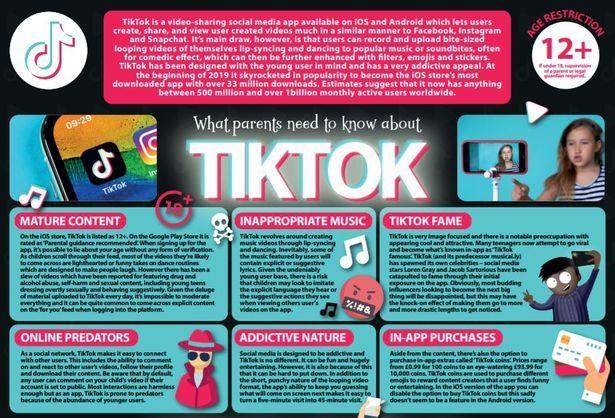
In the rapidly evolving digital landscape, social media platforms are grappling with the dual imperative of fostering user engagement while prioritizing the safety and well-being of their communities. TikTok, a leading platform that has ascended to prominence through its innovative approach to short-form video content, faces unique challenges in managing user safety amid its diverse and expansive user base. With millions of active users, many of whom are adolescents and young adults, the potential risks associated with online interactions—ranging from cyberbullying to exposure to inappropriate content—are significant. In response, TikTok has implemented a series of initiatives aimed at enhancing user safety and cultivating a positive community environment. This article seeks to critically examine TikTok’s strategies, including content moderation practices, user education programs, and community standards, while assessing their effectiveness in mitigating risks and promoting a safer online experience. By analyzing these initiatives, we aim to contribute to the broader discourse on the responsibilities of social media platforms in safeguarding their users, as well as the implications for future regulatory practices in the digital realm.
Table of Contents
- Understanding TikToks Approach to User Safety Policies
- Evaluating the Effectiveness of Content Moderation Strategies
- Analyzing Community Engagement and User Empowerment Initiatives
- Recommendations for Enhancing Safety Measures and User Trust
- Insights and Conclusions
Understanding TikToks Approach to User Safety Policies
TikTok employs a multi-faceted approach to user safety that prioritizes the protection and wellbeing of its community. At the core of these policies is a commitment to transparency, where users are informed about what constitutes safe and acceptable behavior on the platform. Through regular updates and educational campaigns, TikTok strives to create a culture of awareness surrounding issues like cyberbullying, harassment, and inappropriate content. Key measures include:
- Community Guidelines: Clearly defined rules that outline unacceptable behaviors.
- Content Moderation: Advanced AI-driven tools paired with human reviewers to detect and remove harmful content.
- User Reporting Mechanism: Easy-to-use features that allow users to report inappropriate content or behavior.
In response to emerging challenges within the digital space, TikTok has introduced various initiatives to foster a safer environment. These efforts extend beyond content moderation to include practices that promote mental wellness and proactive engagement. A notable initiative is the implementation of age verification processes, ensuring that users are matched with age-appropriate content. Additionally, TikTok offers resources and partnerships with organizations specializing in mental health support. Here’s an overview of key safety initiatives:
| Initiative | Description |
|---|---|
| Age Verification | Ensures users access content suitable for their age group. |
| Mental Health Resources | Provides users with access to mental health support services. |
| Creator Education | Trains creators on responsible content creation and community standards. |
Evaluating the Effectiveness of Content Moderation Strategies
Assessing the success of TikTok’s content moderation efforts requires a multifaceted approach that takes into account both quantitative metrics and qualitative feedback from users. Key indicators of effectiveness include the reduction of harmful content pre- and post-intervention, user reports, and engagement rates. By analyzing these data points, TikTok can better understand how its policies impact community safety. Implementation of machine learning algorithms plays a crucial role in identifying and filtering content that may violate community guidelines. Regularly updated systems not only enhance automatic detection but also refine user experience by minimizing exposure to detrimental material.
Moreover, user education is pivotal in fortifying community safety. Providing clear guidelines and resources empowers users to navigate the platform responsibly, thereby fostering a culture of mutual respect and accountability. Workshops, webinars, and informative tutorials can guide users on recognizing misleading content and reporting abuse. To monitor progress effectively, TikTok could utilize feedback loops such as surveys and community discussions, ensuring an adaptive strategy. The following table summarizes key features of TikTok’s content moderation strategies:
| Strategy | Description | Impact |
|---|---|---|
| Automated Detection | Utilizes AI algorithms to flag inappropriate content. | Reduces harmful content visibility. |
| User Reporting | Allows users to report suspicious or offensive content. | Encourages community participation. |
| Educational Resources | Provides guidelines for safe platform use. | Empowers users for responsible interaction. |
Analyzing Community Engagement and User Empowerment Initiatives
In recent years, platforms like TikTok have made significant strides in promoting user safety and fostering community engagement. One of the pivotal approaches undertaken by TikTok includes the establishment of educational resources aimed at equipping users with knowledge to navigate the platform safely. This initiative focuses on topics such as digital literacy, online etiquette, and understanding privacy settings. By prioritizing these educational efforts, TikTok empowers its users to make informed decisions, thereby enhancing their overall experience. The integration of interactive tutorials and Q&A sessions has further facilitated direct engagement between the platform and its community, creating a supportive environment where users feel heard and valued.
Moreover, TikTok’s emphasis on inclusivity and positive community interactions is evident in their partnerships with mental health organizations. These collaborations aim to provide users with resources and support networks that prioritize emotional well-being. Key initiatives include the #MentalHealthAwareness campaign, encouraging discussions about mental health while tying content creation to a sense of community. The impact of these efforts can be quantitatively illustrated in the table below, which summarizes user engagement metrics before and after the implementation of these community-centric strategies.
| Metric | Before Initiatives | After Initiatives |
|---|---|---|
| Active Users Engaged in Safety Resources | 1,500 | 4,000 |
| Participants in Mental Health Campaigns | 600 | 2,200 |
| Community Feedback Submitted | 200 | 800 |
Recommendations for Enhancing Safety Measures and User Trust
To bolster user safety and foster trust within the TikTok community, it is crucial for the platform to implement comprehensive measures that directly address user concerns. Key recommendations include:
- Enhanced Content Moderation: Investing in AI-driven moderation tools combined with human reviewers can assist in swiftly identifying and removing harmful content while ensuring nuanced understanding of context.
- Transparency Reports: Regularly publishing transparency reports that detail moderation actions, user data policy changes, and user feedback can empower users and establish a culture of accountability.
- Safety Education Initiatives: Developing dedicated educational resources that inform users about safety features, data privacy, and reporting mechanisms can enhance user agency and confidence.
Moreover, fostering a community-driven approach to safety may further enhance user trust. To achieve this, TikTok could consider:
- User Feedback Loops: Creating channels for users to provide feedback on safety features and their effectiveness could help TikTok adapt and innovate continuously based on real user experiences.
- Collaborations with Advocacy Groups: Partnering with organizations focused on online safety can bring valuable insights and resources, helping to set benchmark standards for user protection.
- Reward Systems for Reporting Abuse: Implementing a reward system for users who report harmful content responsibly could encourage community vigilance and participation in maintaining a safe environment.
Insights and Conclusions
TikTok’s multifaceted initiatives aimed at enhancing user safety and fostering a positive community underscore the platform’s recognition of its influential role in shaping digital interactions. Through continual investments in robust content moderation, algorithmic transparency, and educational programs, TikTok demonstrates a commitment to not only safeguarding its user base but also promoting responsible usage among its diverse demographics. However, as digital landscapes continue to evolve, it is imperative for TikTok to remain adaptable, addressing emerging challenges such as misinformation, mental health concerns, and privacy issues. Ongoing research, collaboration with experts, and transparent communication with users will be essential in refining these initiatives. As we move forward, the efficacy of TikTok’s strategies will likely serve as a benchmark for other social media platforms striving to balance innovation with the imperative of user protection, ultimately fostering a safer and more inclusive online environment.