
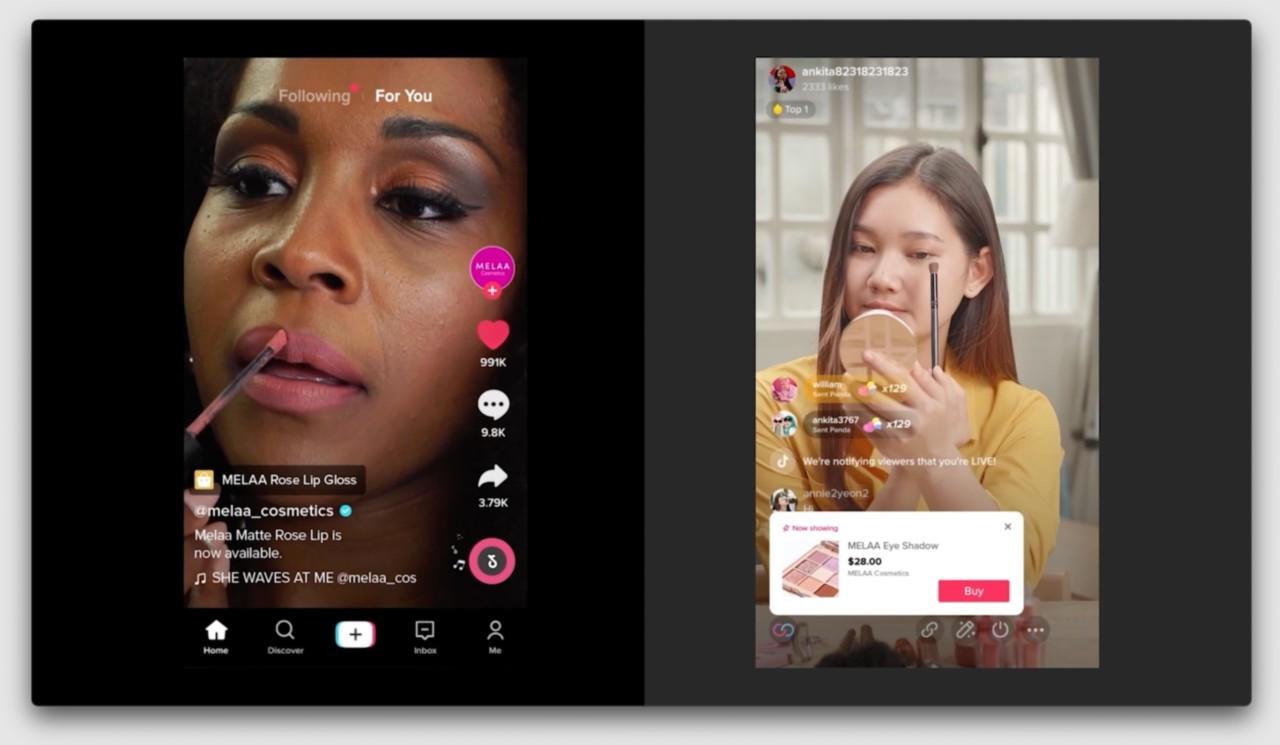
In recent years, TikTok has emerged as a dominant force in the realm of social media, captivating millions with its short-form videos and engaging content. Among its myriad features, live streaming stands out as a powerful tool that fosters real-time interaction between creators and their audiences. This article delves into the sophisticated technologies underpinning TikTok’s live streaming capabilities, examining the architecture, protocols, and algorithms that enable seamless broadcasting and user engagement. By unpacking the complex interplay of these technologies—from video compression techniques and adaptive bitrate streaming to server infrastructure and content delivery networks—we aim to provide a comprehensive overview of what makes TikTok’s live experience not only immersive but also highly scalable. As we explore these components, we will also consider the implications for content creators and the platform itself, highlighting how technological innovation continues to shape the social media landscape in profound ways.
Table of Contents
- Technological Architecture of TikTok Live Streaming
- Real-Time Data Processing and Latency Reduction Techniques
- User Engagement Features and Their Impact on Live Stream Quality
- Best Practices for Creators to Optimize Live Streaming Performance
- To Wrap It Up
Technological Architecture of TikTok Live Streaming
The technological architecture that powers TikTok’s live streaming capabilities is a sophisticated amalgamation of various advanced components, each meticulously designed to ensure seamless streaming experiences. At the core is a distributed network architecture, which allows for scalability and high availability. This involves multiple content delivery networks (CDNs) strategically positioned to minimize latency and optimize connection speeds for viewers across diverse geographical locations. Furthermore, TikTok employs a robust real-time messaging protocol, facilitating immediate interactions between streamers and their audiences, significantly enhancing user engagement.
Additionally, TikTok leverages machine learning algorithms to curate and personalize live content, making recommendations based on user behavior and preferences. This is complemented by an automated moderation system that utilizes AI to monitor stream content, ensuring compliance with community guidelines while fostering a safe environment for creators and viewers alike. To provide a clear understanding of the technologies involved, the following table summarizes these key components:
| Technology Component | Functionality |
|---|---|
| Distributed Network Architecture | Enables scalability and high availability |
| Content Delivery Networks (CDNs) | Minimizes latency for global reach |
| Real-Time Messaging Protocol | Facilitates immediate audience interactions |
| Machine Learning Algorithms | Personalizes and curates live content |
| Automated Moderation System | Ensures compliance with community guidelines |
Real-Time Data Processing and Latency Reduction Techniques
In the fast-paced world of live streaming, TikTok leverages advanced algorithms to achieve seamless real-time data processing. This involves integrating technologies such as edge computing, which brings data storage and processing closer to the user, thereby reducing the distance information must travel. Additionally, real-time analytics systems are employed to monitor user interactions, ensuring that response times are minimized and engagement is maximized. By employing techniques like adaptive bitrate streaming, TikTok optimally adjusts video quality based on user bandwidth, further enhancing the viewing experience and minimizing lag.
To effectively reduce latency, TikTok incorporates a variety of network optimization strategies. These include:
- CDN Utilization: Content Delivery Networks distribute video streams across multiple geographic locations, ensuring quicker data retrieval.
- Protocol Optimization: Implementing protocols such as QUIC or WebRTC enables faster data transmission by reducing connection overhead.
- Buffering Techniques: Smart buffering algorithms predict user actions to preload content, thereby reducing wait times.
The effectiveness of these techniques is evident in a continuous feed of user-generated content, where latency can determine the difference between an engaging experience and one that feels disconnected. The table below highlights the impact of these strategies:
| Technique | Impact on Latency |
|---|---|
| Edge Computing | Reduces data travel time |
| Adaptive Bitrate Streaming | Minimizes buffering issues |
| Protocol Optimization | Speeds up data transfer |
| CDN Utilization | Enhances content accessibility |
User Engagement Features and Their Impact on Live Stream Quality
User engagement features are pivotal in elevating the quality of live streams on platforms like TikTok. These elements not only foster interaction but also enhance the user experience, making broadcasts more dynamic and interesting. The following features play a significant role:
- Real-time Comments: Allowing viewers to share their thoughts instantly, facilitating a two-way interaction that keeps content creators aware of audience sentiment.
- Polls and Q&A: Engaging users by allowing them to vote or ask questions, which can direct the course of the broadcast and make viewers feel included.
- Gifting and Monetization: Enabling users to spend virtual currency on gifts for streamers, creating a more personal connection while incentivizing high-quality content production.
The impact of these engagement tools is evident in the metrics associated with live streams. For instance, streams that incorporate such features often see:
| Engagement Metric | Without Engagement Features | With Engagement Features |
|---|---|---|
| Average View Duration | 3 minutes | 7 minutes |
| Viewer Interaction Rate | 5% | 25% |
| Gift Transactions | 50 | 200 |
These statistics illustrate the direct correlation between user engagement features and the overall quality of live streams, emphasizing their vital role in maintaining viewer interest and boosting content creator incentives.
Best Practices for Creators to Optimize Live Streaming Performance
To enhance live streaming performance, content creators should focus on a combination of technical and engagement strategies. Ensure a stable internet connection by opting for the highest bandwidth available, preferably through a wired Ethernet connection rather than Wi-Fi, to minimize lag and buffering. Optimize video settings by streaming in appropriate resolutions; while higher resolutions like 1080p may attract viewers, they also demand more resources. It’s essential to balance quality with performance. Additionally, leverage software tools such as OBS Studio or Streamlabs, which enable real-time adjustments and provide analytics to track viewer engagement and stream performance.
Engagement strategies are equally crucial in retaining and growing your audience. Interact with viewers in real-time by responding to comments and questions, this fosters a sense of community and keeps viewers hooked. Utilize interactive features like polls or Q&A sessions to engage viewers actively, making the broadcast more dynamic. Consider creating a consistent streaming schedule so your audience knows when to tune in. This enhances long-term viewer loyalty and encourages regular attendance. analyze performance metrics post-broadcast to refine future streams; look for patterns in viewer engagement and adjust your format accordingly to maximize viewer satisfaction.
To Wrap It Up
the technologies that underpin TikTok’s live streaming capabilities have redefined the landscape of real-time social interaction and content delivery. From low-latency streaming protocols to advanced content delivery networks, TikTok has effectively harnessed a suite of robust technologies that not only enhance user experience but also ensure scalability and reliability. The integration of artificial intelligence for content moderation and audience engagement further illustrates how technology is revolutionizing live-streaming platforms. As these technologies continue to evolve, TikTok stands at the forefront, pushing the boundaries of what is possible in live interactive experiences. Understanding these foundational elements not only provides insights into TikTok’s success but also sets the stage for future innovations in live streaming across the digital landscape. As engineers and technologists, it is imperative to keep an eye on these developments, as they present myriad opportunities for growth, creativity, and engagement in an increasingly digital world.