
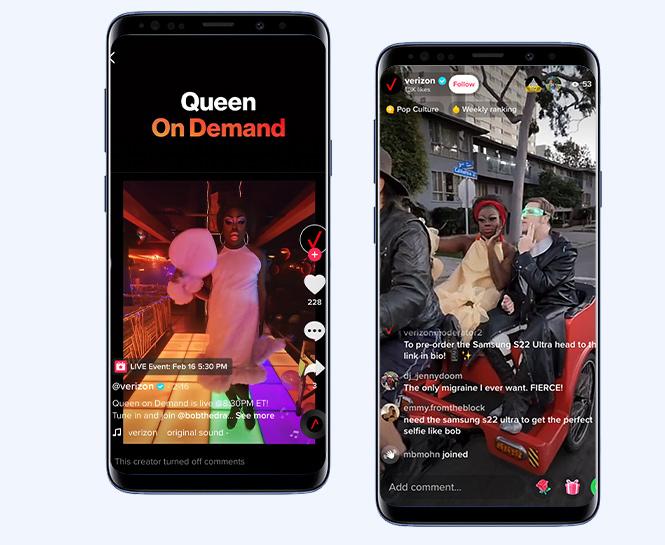
As live streaming continues to redefine the landscape of digital interaction, TikTok has emerged as a formidable player in this space, seamlessly integrating real-time engagement into its platform. This article delves into the intricate technology that underpins TikTok’s live streaming capabilities, examining the architecture that enables high-quality video transmission, the algorithms that enhance user experience, and the innovative features that empower creators to connect with their audience in unprecedented ways. By exploring the platforms’ networking protocols, streaming codecs, and data management techniques, we will shed light on how TikTok not only facilitates immediate content delivery but also fosters a dynamic community built on spontaneity and engagement. This examination is essential for understanding the technological prowess that drives TikTok’s live streaming features and the implications for the future of social media and content creation.
Table of Contents
- Understanding the Architecture of TikToks Live Streaming Infrastructure
- Analyzing Encoding and Compression Techniques for Optimal Streaming Quality
- Evaluating User Engagement Metrics and Interaction Features in Live Broadcasts
- Implementing Best Practices for Content Creators to Maximize Live Stream Reach
- Wrapping Up
Understanding the Architecture of TikToks Live Streaming Infrastructure
At the core of TikTok’s live streaming capabilities lies a sophisticated architecture designed to handle millions of concurrent users while ensuring optimal performance and minimal latency. The platform relies on a combination of edge computing and cloud services, which enables it to distribute data processing closer to where users are located. This architecture leverages microservices, which are modular components that can be independently updated and scaled, allowing TikTok to respond swiftly to changing demands during live events. The integration of Content Delivery Networks (CDNs) facilitates quick stream delivery and reduces buffering times by caching content at locations closer to the end user.
Additionally, TikTok employs advanced video encoding techniques to maintain high-quality streams while minimizing bandwidth usage. This is critical in a mobile-first environment where connectivity can vary. The architecture encompasses a robust load balancing system that optimally allocates resources, ensuring that server load is evenly distributed and that stream quality remains consistent, even during peak traffic periods. Key components of this infrastructure include:
- Scalable microservices for dynamic resource management
- Real-time analytics for stream monitoring and user engagement
- Multi-bitrate encoding for adaptive streaming based on user bandwidth
Analyzing Encoding and Compression Techniques for Optimal Streaming Quality
To achieve high-quality live streaming on platforms like TikTok, an intricate balance of encoding and compression techniques is essential. Video encoding involves translating raw video files into a digital format, while compression reduces the file size for efficient transmission without sacrificing visual integrity. Key encoding formats such as H.264 and HEVC (H.265) are widely utilized due to their ability to deliver excellent video quality at lower bitrates. The choice of encoding significantly affects the user experience, as lower latencies and faster load times are critical for live interactions. Moreover, adaptive streaming protocols such as HLS (HTTP Live Streaming) allow TikTok to dynamically adjust video quality based on the viewer’s internet speed, ensuring a seamless experience across various network conditions.
In addition to encoding methods, compression techniques such as variable bitrate (VBR) and constant bitrate (CBR) provide flexibility in managing bandwidth. Using VBR can lead to better quality-per-bit by allocating more data to complex scenes while using less for simpler ones. TikTok also employs advanced algorithms to optimize the buffering process, greatly reducing the pause times during live broadcasts. This combination of encoding, compression, and adaptive streaming allows TikTok to deliver high-resolution video in real-time, ensuring that users remain engaged. The table below summarizes some of the key encoding formats and their characteristics:
| Encoding Format | Compression Efficiency | Common Use Cases |
|---|---|---|
| H.264 | Moderate | Standard streaming, social media |
| HEVC (H.265) | High | 4K streaming, high-quality broadcasts |
| VP9 | High | Web-based streaming, YouTube |
| AV1 | Very High | Emerging tech, future-proof streaming |
Evaluating User Engagement Metrics and Interaction Features in Live Broadcasts
One of the cornerstones of TikTok’s live streaming features is its robust set of user engagement metrics. These metrics allow content creators to assess the effectiveness of their broadcasts and understand audience behavior more comprehensively. Key metrics include:
- View Count: Indicates the number of unique viewers during a live session.
- Interaction Rate: Measures likes, comments, and shares relative to views, providing insight into viewer engagement.
- Average Watch Time: The average duration viewers stay tuned in, essential for evaluating content retention.
Further enhancing user interaction are features like real-time comments and reactions, which foster a participative environment. The ability to pin comments allows streamers to highlight important interactions, while interactive polling features contribute to a dynamic viewer experience. The following table illustrates the influence of interaction features on engagement metrics:
| Interaction Feature | Impact on Metrics |
|---|---|
| Real-Time Comments | Increases viewer retention and creates a sense of community. |
| Live Polls | Boosts interaction rates and keeps audience attention. |
| Gift and Donations | Encourages support from viewers, enhancing user loyalty. |
Implementing Best Practices for Content Creators to Maximize Live Stream Reach
To effectively extend the reach of your live streams, content creators should adopt several key strategies tailored to the unique dynamics of TikTok’s platform. First, leveraging TikTok’s algorithm can significantly enhance visibility. By understanding factors like user engagement, video completion rates, and trending topics, creators can optimize their content for higher discoverability. Utilizing hashtags, catchy titles, and compelling visuals not only attracts a wider audience but also retains viewership throughout the stream.
Additionally, consistency is crucial in building a loyal audience. Establishing a regular streaming schedule helps nurture anticipation among followers, leading to increased engagement. Engaging with viewers in real-time can amplify this effect, as responding to comments and incorporating audience feedback fosters a community feel. It is also beneficial to cross-promote your streams on other social media platforms, creating a comprehensive digital ecosystem that drives traffic back to your TikTok account. By incorporating these practices, content creators can maximize both their reach and the overall impact of their live streaming efforts.
Wrapping Up
the technology underpinning TikTok’s live streaming capabilities showcases a sophisticated interplay of advanced algorithms, robust infrastructure, and user-centric design. As we have examined, TikTok leverages a combination of real-time video encoding, adaptive bitrate streaming, and low-latency protocols to deliver seamless live experiences to its users across diverse network conditions. Furthermore, the integration of machine learning not only enhances content moderation but also personalizes user engagement through tailored recommendations and interactive features.
As TikTok continues to evolve, its commitment to innovation in live streaming sets a benchmark for social media platforms aiming to enhance user interactivity and engagement. The implications of such technology extend beyond entertainment, influencing areas such as marketing, education, and virtual events. By continually refining its technological stack, TikTok not only fortifies its competitive edge but also fosters a dynamic social ecosystem where content creators and audiences can thrive. Moving forward, professionals in the field should monitor these advancements closely, as they may well drive the next wave of developments in live-streaming technologies across the digital landscape.