
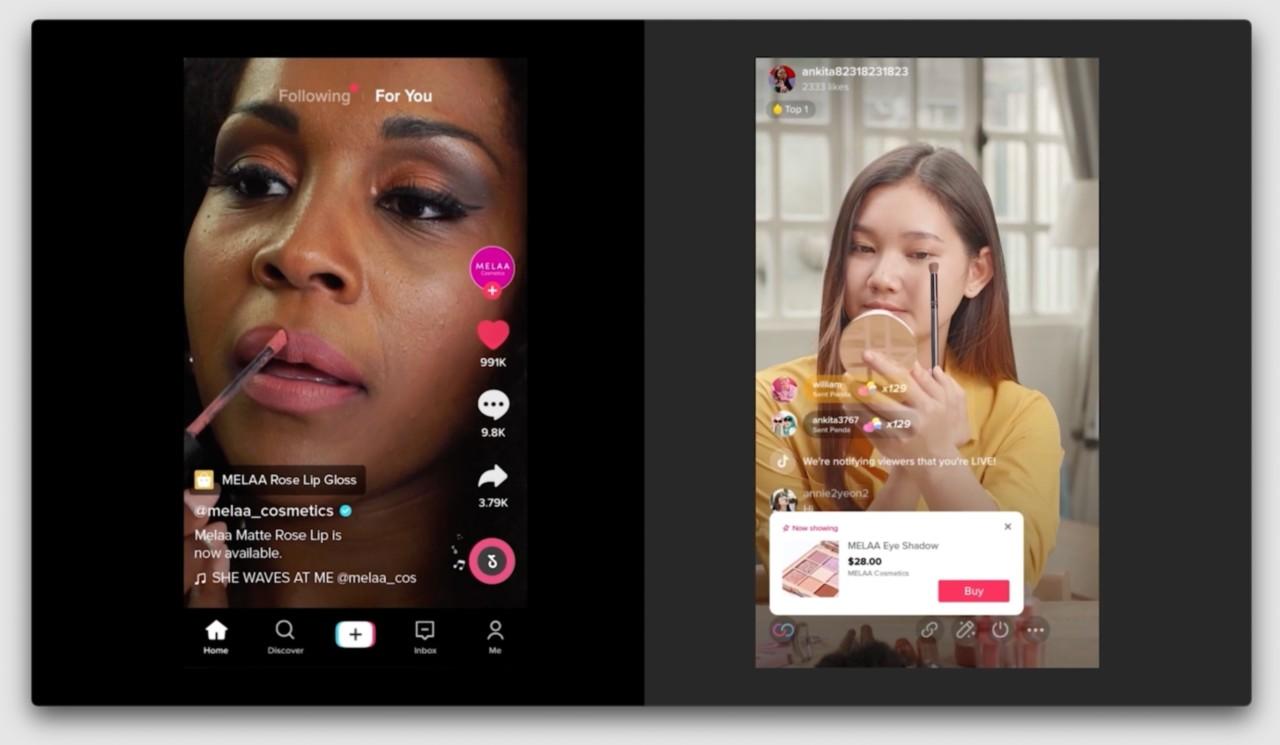
In recent years, TikTok has emerged as a dominant force in the social media landscape, captivating millions with its short-form video content. Among its various functionalities, the live streaming feature has garnered significant attention, providing users with an interactive platform to engage with their audience in real-time. This article delves into the intricate technological frameworks that underpin TikTok’s live streaming capability, examining the algorithms, data processing techniques, and infrastructure that facilitate seamless video delivery. We will explore the role of real-time communication protocols, content moderation mechanisms, and the challenges of scalability and latency, all of which contribute to the effectiveness and appeal of this dynamic feature. By understanding the technology behind TikTok’s live streaming, we can gain insights into the broader implications for content creation and consumption in the digital age.
Table of Contents
- Understanding the Architecture of TikToks Live Streaming Infrastructure
- Analyzing Video Compression Techniques and Their Impact on Stream Quality
- Enhancing User Engagement Through Interactive Features and Tools
- Best Practices for Creators to Optimize Live Streaming Performance on TikTok
- In Conclusion
Understanding the Architecture of TikToks Live Streaming Infrastructure
TikTok’s live streaming infrastructure is a sophisticated amalgamation of various technologies designed to deliver real-time content to a global audience. At its core, the architecture is built around a distributed server model that ensures low latency and high availability, allowing content creators to broadcast live seamlessly. Key components of this infrastructure include:
- Content Delivery Networks (CDNs): Utilizing CDNs enables the distribution of video data across multiple servers, minimizing the distance between the user and the source of the content.
- Load Balancing: This mechanism efficiently allocates the streaming load across various servers during peak traffic times, ensuring a smooth viewer experience.
- Adaptive Bitrate Streaming (ABR): By adjusting the quality of the video stream based on the viewer’s internet connection, TikTok guarantees optimal playback regardless of bandwidth.
The platform also employs advanced technologies for data management and user interaction. Real-time chat functionality and viewer engagement tools are powered by robust backend systems that process user input instantly. The architecture leverages:
- Microservices: Breaking down the application into smaller services allows for agile development and independent scaling of features.
- WebRTC: For real-time communication, ensuring that the latency is minimal and interactions are quick.
- Data Analytics: Tracking user engagement and feedback in real time enhances content recommendations and improves user experience.
| Feature | Purpose |
|---|---|
| CDNs | Reduce latency by localizing content delivery |
| Load Balancing | Distribute traffic evenly to prevent overload |
| ABR | Ensure optimal video quality based on connection |
| Microservices | Enable independent scaling of platform features |
| WebRTC | Facilitate real-time user interactions |
| Data Analytics | Enhance user engagement and personalization |
Analyzing Video Compression Techniques and Their Impact on Stream Quality
The efficiency of video compression techniques plays a pivotal role in determining stream quality, particularly for platforms like TikTok, which prioritize real-time engagement. To achieve optimal performance, the application of algorithms such as H.264, HEVC (H.265), and VP9 is commonplace. Each of these methods has unique advantages and disadvantages, affecting bitrate, resolution, and latency. For instance, while H.264 provides a favorable balance between quality and file size, HEVC offers superior compression rates, thus enabling higher resolutions without significantly increasing bandwidth demands.
Moreover, the impact of these techniques on user experience cannot be overstated. As video quality improves, several factors are crucial to maintain seamless streaming, including latency, buffering, and resolution adaptation. Algorithms that dynamically adjust encoding based on network conditions are essential to delivering a smooth viewing experience. Below is a table summarizing the key aspects of these video compression techniques:
| Technique | Compression Efficiency | Use Cases |
|---|---|---|
| H.264 | Moderate | Standard streaming |
| HEVC (H.265) | High | 4K and HDR streaming |
| VP9 | High | YouTube and various web applications |
Enhancing User Engagement Through Interactive Features and Tools
Interactive features enhance user involvement and satisfaction, a principle exemplified by TikTok’s live streaming capabilities. This technology not only allows creators to broadcast live content but also integrates a multitude of interactive tools that foster real-time engagement. By implementing features such as live polls, Q&A sessions, and emoji reactions, TikTok cultivates a dynamic environment where viewers feel more connected to the content. This two-way communication mechanism promotes a sense of community and encourages users to participate actively, rather than just passively consuming content.
Moreover, the platform’s use of gamification elements keeps users coming back for more. By introducing rewards for participation—such as badges or shout-outs—TikTok effectively motivates users to engage further. To illustrate this, consider the following table that summarizes important interactive features and their impacts on user engagement:
| Feature | Impact on User Engagement |
|---|---|
| Live Polls | Encourages viewer opinions and participation |
| Emoji Reactions | Fosters instant feedback and emotional connection |
| Q&A Sessions | Facilitates deeper discussions and interactions |
| Gifting System | Incentivizes viewer support for creators |
Best Practices for Creators to Optimize Live Streaming Performance on TikTok
To ensure optimal live streaming performance on TikTok, creators should prioritize a reliable and high-speed internet connection. Wired connections often outperform Wi-Fi, minimizing lag and providing a smoother viewing experience. Additionally, it’s essential to check for network congestion and choose the best time to go live when the bandwidth is least affected by other users. Regularly testing your internet speed and using tools like speedtest.net can help you monitor your connectivity. Along with a solid connection, utilizing high-quality equipment such as a good camera, proper lighting, and clear audio can greatly enhance the overall production quality of your stream.
Engagement during live streams is crucial for keeping the audience interested and active. Encouraging viewer participation through questions, polls, or shout-outs can not only boost interaction but also help creators gauge audience interests in real-time. Additionally, maintaining a schedule for live streams establishes routine engagement, making it easier for followers to know when to tune in. Here’s a concise guide to effective viewer engagement strategies:
| Engagement Strategy | Description |
|---|---|
| Real-Time Q&A | Allow viewers to ask questions for immediate responses. |
| Interactive Polls | Use TikTok’s polling features to get quick feedback. |
| Personal Shout-Outs | Acknowledge viewers by name to create a personal touch. |
| Content Teasers | Give previews of future content to keep them coming back. |
In Conclusion
TikTok’s live streaming feature exemplifies the convergence of advanced technologies that facilitate real-time content creation and audience engagement. By leveraging a robust architecture driven by adaptive bitrate streaming, low-latency protocols, and machine learning algorithms for content moderation, TikTok has not only transformed the social media landscape but also set new standards for interactive entertainment. As it continues to innovate and refine this feature, understanding the underlying technologies will be crucial for developers, marketers, and creators alike. As we navigate the ever-evolving digital ecosystem, TikTok’s approach serves as a valuable case study in maximizing both user experience and platform scalability. Future developments in live streaming technology are bound to further enhance connectivity and creativity, making this an area worth monitoring closely for professionals in the tech and media industries.