
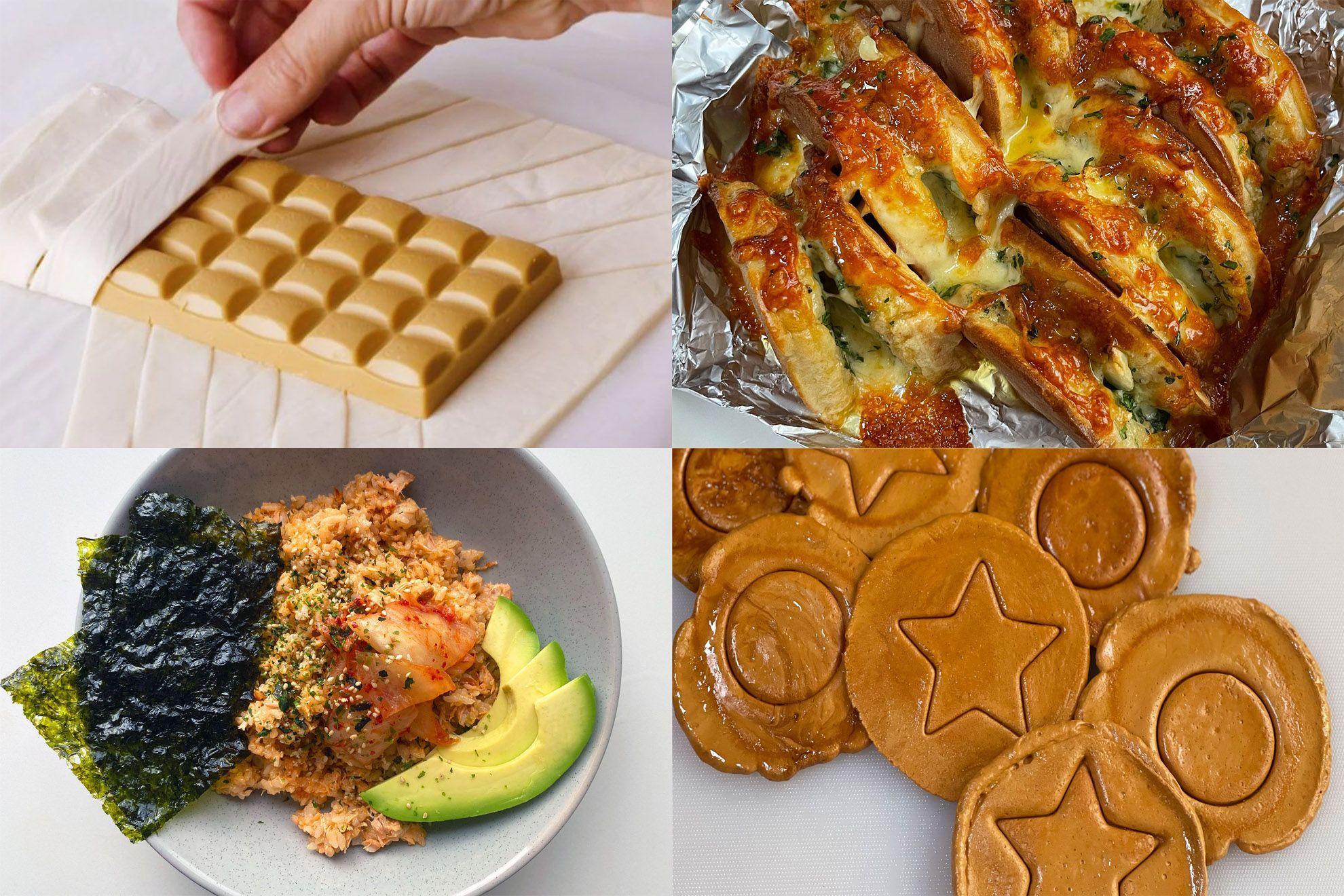
In recent years, TikTok has emerged as a powerful social media platform that not only entertains but also significantly influences consumer behavior and trends across various sectors. Among these, the food industry has experienced a remarkable transformation, driven by the app’s unique ability to generate viral content. With its short-form videos and engaging formats, TikTok has become a digital kitchen where creativity, accessibility, and immediacy converge, inspiring a new generation of food enthusiasts and home cooks. This article delves into TikTok’s transformative influence on food trends, exploring how the platform shapes culinary experiences, alters consumer preferences, and gives rise to new dining phenomena, reflecting broader societal shifts in the way we prepare and enjoy our meals. Through this exploration, we aim to understand the implications of TikTok’s food culture on traditional culinary practices and the future of gastronomy in an increasingly digital world.
Table of Contents
- The Rise of TikTok as a Culinary Powerhouse
- Analyzing Viral Food Trends and Their Cultural Impact
- Brand Strategies for Capitalizing on TikTok Food Craze
- Navigating Challenges: Authenticity and Health Concerns in Food Content
- Concluding Remarks
The Rise of TikTok as a Culinary Powerhouse
The culinary landscape has dramatically shifted with the emergence of TikTok as a dominant platform for food enthusiasts and creators alike. As users scroll through their feeds, they encounter a plethora of innovative recipes and cooking hacks that have garnered millions of views, effectively transforming the way we cook and consume food. The power of short-form video content has enabled home chefs and professional cooks to share their culinary prowess with the world, leading to an era where creativity knows no bounds. This influence is evident in the viral nature of specific dishes, such as:
- Baked Feta Pasta – A simple yet delectable dish that took the internet by storm.
- Nature’s Cereal – A refreshing breakfast trend that encouraged people to connect with nature.
- Whipped Coffee – The frothy beverage that became a must-try during lockdowns.
Moreover, TikTok has democratized culinary fame, allowing anyone with a smartphone to become a food influencer. Users are not just passively consuming content but actively participating in food trends, sharing their unique takes on popular recipes and encouraging community engagement. The platform’s algorithm promotes authenticity and relatability, which drives audiences to seek out homemade and simple dishes. To highlight this phenomenon, a quick comparison of traditional food marketing vs. TikTok trends reveals a clear shift in audience engagement:
| Traditional Food Marketing | TikTok Food Trends |
|---|---|
| One-way communication through ads | Interactive and communal sharing of recipes |
| Focus on professional chefs | Spotlight on everyday home cooks |
| Emphasis on presentation | Emphasis on fun and relatability of food creation |
Analyzing Viral Food Trends and Their Cultural Impact
The emergence of social media platforms has fundamentally altered how food trends gain momentum, with TikTok at the forefront of this revolution. Videos showcasing unique recipes, exotic ingredients, and decorative plating techniques can go viral overnight, yielding a profound influence on culinary preferences across diverse demographics. Key examples include the pasta chips phenomenon and the nature’s cereal craze, where simple recipes, paired with catchy hashtags, spawn a wave of enthusiastic home cooks eager to replicate the latest viral sensation. This not only reflects a shift in what people choose to eat but also highlights a collective cultural spectacle where food becomes a form of entertainment.
Moreover, these trends often carry deeper cultural implications, as they foster a sense of community and shared experience among users. Noteworthy factors contributing to this phenomenon include:
- Diversity in Representation: TikTok enables users from various backgrounds to showcase their culinary heritage, promoting multicultural awareness.
- Accessibility: Many viral recipes utilize affordable, easy-to-find ingredients, making them accessible to a wider audience.
- Engagement and Participation: The platform encourages users to both consume and create content, leading to a participatory culture in food trends.
| Food Trend | Viral Origin | Cultural Impact |
|---|---|---|
| Pasta Chips | Video by @jennifer.garza | Reimagining traditional snacks |
| Nature’s Cereal | Video by @brittany_broski | Promotion of healthy eating habits |
| Whipped Coffee | Instagram crossover | Increase in homemade beverage culture |
Brand Strategies for Capitalizing on TikTok Food Craze
To effectively engage with the ever-evolving TikTok food phenomenon, brands must adopt innovative strategies that resonate with the platform’s vibrant community. User-generated content (UGC) plays a paramount role here; brands can encourage fans to showcase their culinary creations using their products, creating a sense of community and authenticity. Leveraging trending challenges or hashtag campaigns not only amplifies visibility but also invites participation. Brands should strategically partner with influential TikTok chefs or food enthusiasts, as their endorsement can drive massive traffic and create trust among viewers. These collaborations can take a variety of forms, from sponsored videos to co-hosted cooking challenges that captivate audiences while maintaining an engaging narrative.
Another essential aspect is timeliness and adaptability. Staying attuned to emerging food trends on TikTok allows brands to pivot their marketing strategies swiftly. Using data analytics tools to track viral recipes can guide product development or seasonal campaigns that align with current trends. Brands can also utilize live streaming to host Q&A sessions, cooking competitions, or behind-the-scenes looks at new product launches, enhancing real-time engagement. Moreover, investing in creative video editing techniques can transform a mundane cooking process into an eye-catching spectacle that encourages viewers to interact and share. Here’s a simple overview of potential strategies:
| Strategy | Description |
|---|---|
| Encourage UGC | Invite customers to share their creations with your products. |
| Leverage Trends | Engage with trending challenges and hashtags. |
| Partner with Influencers | Collaborate with influential food creators for greater reach. |
| Adapt to Trends | Shift marketing strategies in response to emerging trends. |
| Live Streaming | Host interactive cooking sessions or events. |
Navigating Challenges: Authenticity and Health Concerns in Food Content
As TikTok continues to shape the culinary landscape, it brings with it a spectrum of challenges related to authenticity and health. Users often question the nutritional integrity of viral food phenomena, particularly when traditional recipes are altered to cater to aesthetics rather than taste or health benefits. This has led to a growing call for transparency among content creators. Viewers increasingly demand clearer information about ingredients, sourcing, and cooking methods to ensure what they are consuming aligns with their health goals. Moreover, the rapid dissemination of food trends can result in potentially dangerous practices, such as the glorification of extreme diets or unverified health claims, prompting discussions on digital responsibility.
To counter these issues, a collaborative approach among influencers, healthcare professionals, and the culinary community is emerging. Below are some strategies being adopted:
- Educational Content: Creators are partnering with nutritionists to share balanced recipes and health tips.
- Ingredient Transparency: Showing detailed ingredient lists to enhance trust with viewers.
- Community Engagement: Encouraging user-generated content that highlights personal stories or adaptations of trending dishes.
| Health Considerations | TikTok Trends |
|---|---|
| Increased scrutiny on diet trends | Mukbangs and extreme food challenges |
| Focus on balanced meals | Colorful, diverse food plating |
| Rising popularity of plant-based diets | Vegan food hacks and substitutes |
Concluding Remarks
As we have explored, TikTok has emerged as a formidable force in shaping contemporary food trends, redefining how culinary ideas are shared and consumed. With its engaging format and vast reach, the platform has elevated home cooking to a cultural phenomenon, inspiring creativity and innovation among both amateur cooks and seasoned chefs alike. From viral recipes to food challenges, TikTok not only influences what we eat, but it also cultivates a sense of community around food appreciation and experimentation.
As we look to the future, it is clear that the platform will continue to play a pivotal role in the evolution of food culture. Brands and culinary creators are increasingly recognizing the platform’s potential to connect with audiences on a personal level, leading to a more interactive and participatory approach to food marketing. As TikTok evolves, so too will the food trends it inspires, proving that in the digital age, food is not just sustenance—it’s a shared experience that transcends borders and brings people together.
TikTok’s impact on food trends is a testament to the power of social media in shaping our culinary landscape. As users continue to explore and innovate, it will be fascinating to observe how these trends evolve and what new tastes and ideas will emerge from the ever-expanding digital kitchen.