
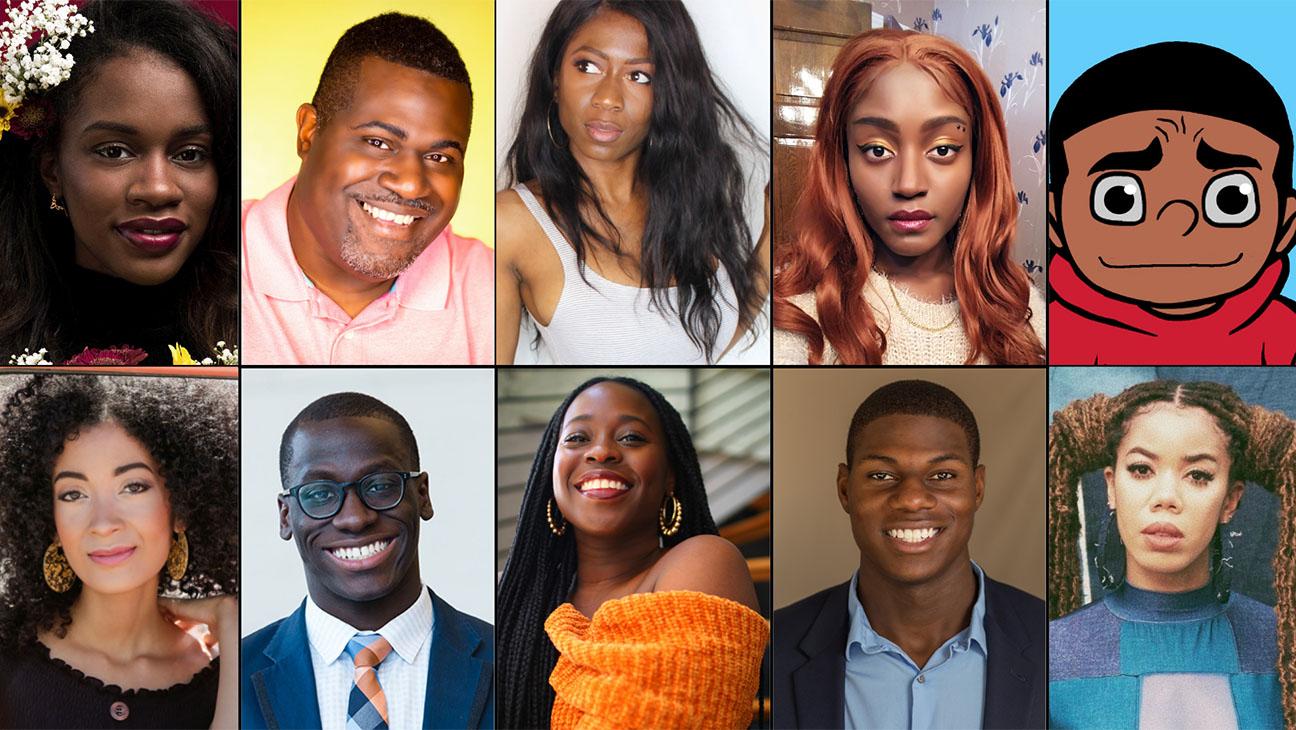
In an era where our screens have become windows to the world, the ascent of TikTok has transformed not just the landscape of entertainment, but also the discourse surrounding mental health. With a mere flick of the thumb, users are greeted with an endless stream of short videos—some whimsical, some profound, and many that resonate deeply with our collective psyche. In this vibrant digital tapestry, TikTok creators are not merely entertainers; they are emerging as powerful voices in the mental health conversation, reshaping how we understand, discuss, and address our emotional well-being. As they share personal stories, practical tips, and unfiltered insights, these creators foster a sense of community, challenge stigmas, and invite millions to engage in dialogues that were once confined to private thoughts. This article delves into the pivotal role TikTok creators play in shaping contemporary mental health narratives, exploring how their influence is charting a new course for openness and vulnerability in an age dominated by rapid content consumption.
Table of Contents
- Navigating Vulnerability: How TikTok Creators Foster Open Discussions About Mental Health
- The Power of Storytelling: Authentic Experiences that Resonate with Audiences
- Community Support: The Role of Engagement in Mental Health Conversations on TikTok
- Practical Tools and Resources: Recommendations from Creators for Mental Wellness
- Concluding Remarks
Navigating Vulnerability: How TikTok Creators Foster Open Discussions About Mental Health
In today’s digital landscape, TikTok has emerged as a vibrant platform where creators openly discuss mental health, fostering a sense of community and support. Through creative and relatable content, these creators not only share their personal experiences but also encourage their audiences to engage in conversations that demystify mental health challenges. By breaking down complex topics into concise videos, they make the subject accessible, allowing viewers to feel less isolated in their struggles. The platform’s inherent culture of vulnerability enables creators to showcase their authentic selves, leading to a powerful ripple effect as audiences resonate with their stories.
Moreover, TikTok encourages interactive engagement, where viewers can ask questions and share their experiences in the comments. This dynamic exchange fosters a safe space for open discussions about topics such as anxiety, depression, and self-care. Some strategies employed by creators to facilitate these conversations include:
- Personal Stories: Sharing candid moments that highlight their mental health journeys.
- Expert Insights: Collaborating with mental health professionals to provide accurate information.
- Resource Sharing: Directing followers to helpful hotlines, apps, and literature.
The Power of Storytelling: Authentic Experiences that Resonate with Audiences
The rise of TikTok has ushered in a new era of mental health conversations, where creators from diverse backgrounds share their authentic experiences. Through captivating storytelling, these individuals often break down complex mental health topics into digestible snippets that resonate with their audiences. By using a mix of humor, vulnerability, and relatable narratives, TikTok creators have crafted a digital space where mental health can be openly discussed without stigma. This approach fosters community, as viewers find solace in knowing they are not alone in their struggles.
Creativity shines in various formats, from skits to poetry, allowing creators to engage viewers on multiple levels. Here are some compelling elements of TikTok’s storytelling that enhance mental health discussions:
- Relatable Content: Authentic tales mirror the experiences of many, creating a bond with the audience.
- Visual Engagement: Captivating visuals and soundtracks heighten emotional resonance.
- Interactive Dialogue: Comments and duets encourage participation, allowing followers to share their own stories.
Community Support: The Role of Engagement in Mental Health Conversations on TikTok
In the ever-evolving landscape of digital interaction, TikTok has emerged as a platform where mental health conversations flourish through community engagement. Creators utilize their platforms to share personal experiences, challenge stigma, and foster an environment of understanding and support. These conversations often unfold in dynamic ways, including:
- Relatable storytelling: Creators recount personal struggles, which resonate deeply and galvanize community empathy.
- Awareness campaigns: Unique hashtags and challenges encourage users to partake, amplifying critical discussions around mental health conditions and resources.
- Supportive communities: Comment sections frequently transform into spaces of shared experiences, where users can offer advice, resources, and solidarity.
The role of hashtags cannot be underestimated in catalyzing these discussions. By creating a common language around mental health topics, TikTok creators contribute to breaking down barriers. Users feel empowered to join the conversation, sharing thoughts and feelings they might have previously kept private. Below is a table illustrating how specific hashtags can lead to increased engagement:
| Hashtag | Engagement Rate | Common Themes |
|---|---|---|
| #MentalHealthMatters | 5,600% | Awareness, Resources |
| #TherapyTalk | 4,200% | Therapeutic Techniques, Personal Stories |
| #SelfCareTips | 6,100% | Healthy Habits, Wellness |
Practical Tools and Resources: Recommendations from Creators for Mental Wellness
As TikTok continues to be a platform for the exchange of ideas and support, many creators have shared effective tools and resources that foster mental wellness. Journaling, for instance, is a popular recommendation among creators. It provides a space for reflection and emotional release. Some creators suggest specific prompts that can help individuals navigate their feelings. Meditation apps have also gained traction; creators like @mindfulmoments promote services such as Headspace and Calm, offering guided sessions tailored for stress relief and anxiety management.
In addition, the community encourages engagement in art therapy through easy-to-follow tutorials that inspire creativity as a therapeutic outlet. This approach not only enhances self-expression but also builds resilience. Mental health advocates often emphasize the value of peer support groups that can be found through signs in their videos, providing a sense of belonging. Below is a table summarizing some of these favored tools:
| Resource | Type | Creator |
|---|---|---|
| Headspace | Meditation App | @mindfulmoments |
| The Five Minute Journal | Journaling Tool | @journalingwithjess |
| Art for Anxiety | Art Therapy Tutorials | @creativehealing |
| Therapy Chat | Support Group | @mentalhealthmatters |
Concluding Remarks
As we navigate the ever-evolving landscape of social media, TikTok has emerged as a powerful platform where creators are sparking vital conversations about mental health. By sharing personal stories, expert insights, and relatable content, these individuals are not only amplifying awareness but also dismantling stigma around mental health issues.
In an age where open dialogue is crucial, TikTok serves as a double-edged sword—offering both the potential for connection and the risk of misinformation. However, as creators continue to foster community and understanding, their influence can lead to more informed discussions and a culture of empathy.
The journey is far from over; as we witness the ways TikTok shapes mental health narratives, it is up to all of us—viewers, creators, and mental health advocates—to ensure that these conversations are both constructive and grounded in reality. By engaging thoughtfully with the content and supporting one another, we can help cultivate a digital environment that champions mental well-being for all. The future of mental health conversations is here, and it’s being shaped by the passionate voices of TikTok creators. What part will you play in this dialogue?