
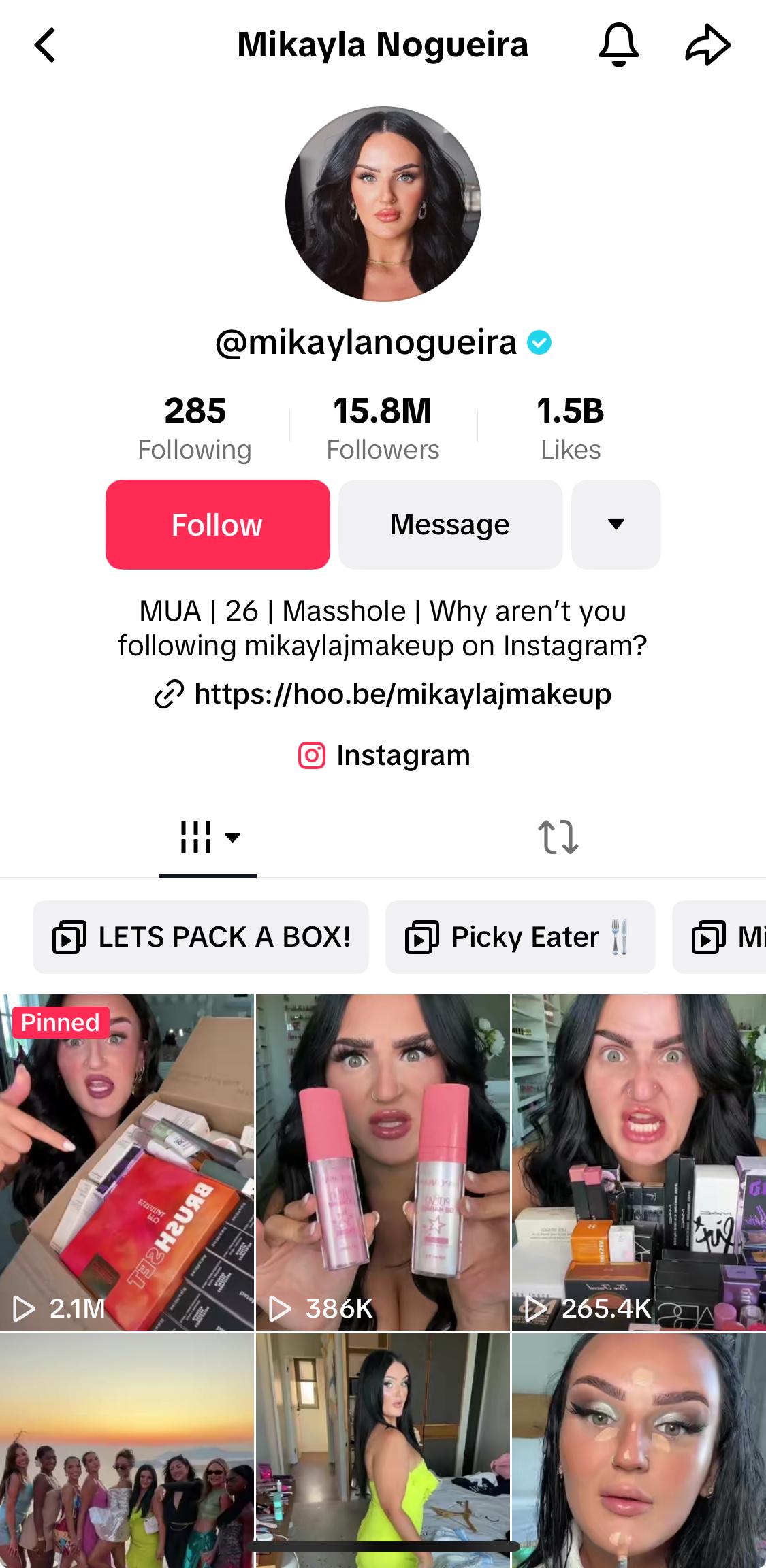
In the fast-paced world of social media, TikTok has emerged as a cultural powerhouse, providing a platform for creators to share their talents, ideas, and lifestyles with millions of viewers. With this immense reach, TikTok influencers hold significant sway over trends and consumer behavior. However, this newfound fame comes with its own set of legal and ethical challenges that can significantly impact their careers and reputation. From understanding copyright laws and sponsorship disclosures to addressing issues of privacy and digital authenticity, influencers must navigate a complex landscape where compliance and integrity are paramount. In this article, we will explore the various legal requirements and ethical dilemmas that TikTok influencers face, equipping them with the knowledge to thrive in this vibrant yet challenging digital arena. Whether you are an aspiring creator or a seasoned influencer, understanding these intricacies is essential for building a sustainable and reputable presence on the platform.
Table of Contents
- Understanding Copyright and Fair Use in TikTok Content Creation
- Transparent Advertising Practices for Influencers on TikTok
- Protecting Personal Privacy and User Data on Social Media Platforms
- Building a Reputation Amidst Legal and Ethical Scrutiny
- Insights and Conclusions
Understanding Copyright and Fair Use in TikTok Content Creation
Creating content on TikTok offers immense opportunities for influencers, but it also comes with legal and ethical responsibilities, particularly regarding copyright and fair use. Understanding these concepts is crucial for avoiding potential pitfalls that can arise from using copyrighted material without permission. Fair use provides a legal framework that allows content creators to utilize limited portions of copyrighted works for purposes such as criticism, comment, news reporting, teaching, scholarship, or research. However, it is essential to consider several factors when claiming fair use:
- The purpose and character of your use: Is it commercial or educational?
- The nature of the copyrighted work: Is it factual or creative?
- The amount and substantiality: How much of the original work are you using?
- The effect on the market: Does your use negatively impact the market for the original work?
To better visualize the boundaries of copyright and fair use, here’s a simple comparison:
| Aspect | Copyrighted Material | Fair Use |
|---|---|---|
| Definition | Protection of original works | Limited use for specific purposes |
| Permission | Required | Not always required |
| Typical Examples | Movies, music, artwork | Parodies, commentary, educational use |
As TikTok continues to grow, influencers must be mindful of these legal nuances. Engaging with creators and seeking permission for copyrighted materials is not only a legal safeguard but also an ethical practice that promotes a culture of respect and collaboration within the community. By navigating these challenges thoughtfully, TikTok influencers can foster creative expression while staying within the bounds of the law.
Transparent Advertising Practices for Influencers on TikTok
In the world of TikTok, transparency is vital for maintaining trust between influencers and their audiences. The Federal Trade Commission (FTC) has clear guidelines that require influencers to disclose any paid partnerships or sponsored content. To adhere to these regulations, influencers should use clear, unambiguous terms. This includes phrases like “#ad”, “#sponsored”, or “paid partnership” prominently in their posts. Not only do these disclosures help to comply with legal standards, but they also bolster authenticity by showing followers that the influencer values honesty in their promotional efforts. Here are essential practices influencers can adopt:
- Use Clear Disclosures: Always position your disclosure at the beginning of your caption or video.
- Be Honest and Authentic: Share genuine opinions alongside promotional content to maintain credibility.
- Rotate Hashtags: Don’t rely solely on one type of disclosure; mixing them up can keep your content fresh.
Furthermore, the impact of transparent advertising goes beyond legal compliance; it can significantly influence audience engagement and loyalty. Viewers appreciate influencers who openly communicate about the nature of their partnerships. A lack of transparency can lead to skepticism and erode the influencer’s credibility. Brands are also becoming increasingly selective about their partnerships, preferring influencers who demonstrate sound ethical standards. Below is a simple comparison of audiences’ reactions to transparent versus non-transparent advertising:
| Advertising Type | Trust Level | Engagement Rate |
|---|---|---|
| Transparent | High | 20% Increase |
| Non-Transparent | Low | 30% Decrease |
Protecting Personal Privacy and User Data on Social Media Platforms
As TikTok influencers navigate the bustling arena of social media, it becomes imperative to prioritize the protection of personal privacy and user data. Missteps in handling sensitive information can lead not only to legal repercussions but also to a breakdown of trust with followers. Influencers should implement best practices to safeguard their digital footprint, such as:
- Regularly reviewing privacy settings on their accounts.
- Being transparent about how follower data may be used or shared.
- Utilizing strong, unique passwords and enabling two-factor authentication.
Moreover, influencers must be wary of the legal landscape concerning data privacy. Adhering to regulations like the General Data Protection Regulation (GDPR) or California Consumer Privacy Act (CCPA) is essential for maintaining compliance. To tackle these challenges effectively, influencers can refer to the following guidelines:
| Legal Considerations | Key Actions |
|---|---|
| Understand content ownership | Always clarify rights regarding user-generated content. |
| Stay updated on policies | Monitor changes in platform policies and legal standards. |
| Educate followers | Share information about privacy practices with your audience. |
Building a Reputation Amidst Legal and Ethical Scrutiny
In an environment where social media platforms are under constant examination, influencers must be vigilant about their public persona. Building a positive reputation requires more than just creative content; it demands a thorough understanding of legal and ethical implications. To achieve this, influencers can consider adopting the following essential practices:
- Transparency: Always disclose sponsored content to maintain trust and loyalty from your audience.
- Copyright Awareness: Ensure all multimedia use complies with copyright laws to avoid legal pitfalls.
- Community Guidelines: Familiarize yourself with platform-specific rules to prevent account suspensions or bans.
- Respect Privacy: Avoid sharing sensitive information about others without permission to uphold ethical standards.
Furthermore, influencers can use reputation management strategies to mitigate any negative repercussions from scrutiny. Engaging with followers through authentic dialogue can significantly bolster an influencer’s standing. Below is a simplified approach to manage and enhance reputation:
| Strategy | Impact |
|---|---|
| Regular Engagement | Fosters a loyal community and encourages positive feedback. |
| Constructive Responses | Mitigates damage from negative comments or disputes. |
| Content Authenticity | Builds credibility and strengthens followers’ trust. |
Insights and Conclusions
As we wrap up our exploration of the legal and ethical challenges facing TikTok influencers, it’s clear that navigating this dynamic landscape requires a careful balance of creativity and compliance. With the platform’s rapid evolution, influencers must stay informed about the ever-changing regulations and ethical considerations that govern content creation.
From understanding copyright laws to disclosing sponsorships transparently, the responsibilities of influencers are more significant than ever. It’s essential to not only protect oneself legally but also to foster trust and authenticity with followers. As you embark on or continue your journey as a TikTok creator, keep these challenges in mind and approach your craft with mindfulness and integrity.
In an era where social media can amplify both your voice and your influence, being informed and ethical can be the keys to sustainable success. Whether you’re a seasoned influencer or just starting out, remember that your actions online contribute to the broader conversation about accountability and responsibility in the digital landscape. Here’s to creating a positive impact while thriving in the world of TikTok!