
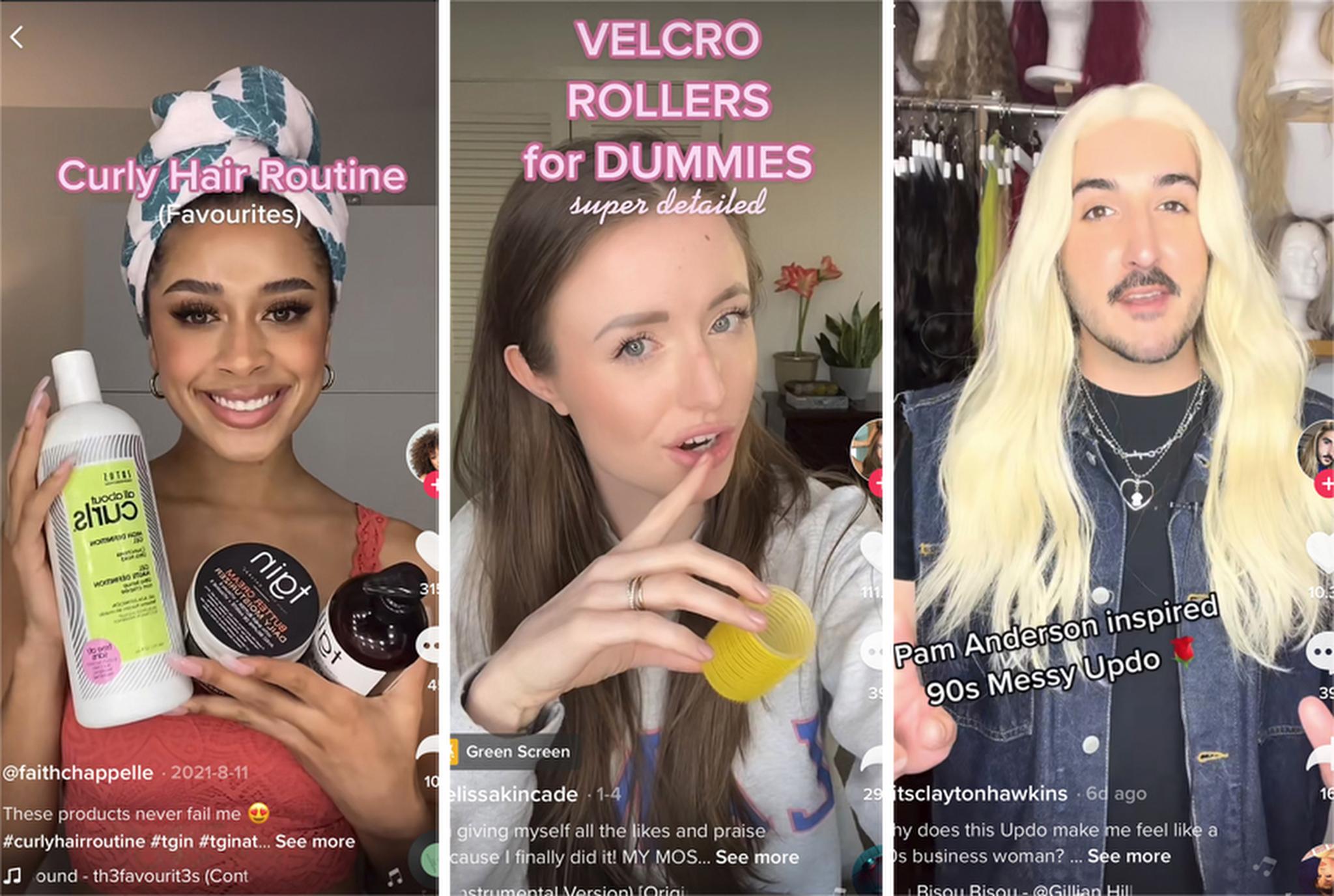
As the digital landscape continues to evolve, TikTok has emerged as a leading platform for self-expression, creativity, and, notably, marketing. With millions of users worldwide, influencers on TikTok wield significant power in shaping trends and influencing consumer behavior. However, with this power comes a responsibility to navigate the complex web of legal and ethical guidelines that govern digital content creation. For both new and seasoned influencers, understanding these guidelines is essential not only to avoid potential pitfalls but also to build trust with their audience. In this article, we will explore the key legal requirements and ethical considerations that TikTok influencers need to keep in mind, ensuring that their creative endeavors align with industry standards while promoting authenticity and transparency.
Table of Contents
- Understanding the Legal Framework for TikTok Content Creation
- Key Ethical Considerations for Influencers on Social Media
- Best Practices for Disclosing Sponsorships and Partnerships
- Maintaining Audience Trust through Authentic Content Creation
- Closing Remarks
Understanding the Legal Framework for TikTok Content Creation
When creating content on TikTok, influencers must navigate a complex web of legal guidelines that govern their actions and interactions. Understanding intellectual property laws is crucial, as creators often use music, logos, and other copyrighted material in their videos. It’s essential to ensure that you have the right to use this material or risk facing legal complications. Additionally, influencers should be familiar with the Federal Trade Commission (FTC) regulations regarding endorsements, which require transparency when promoting products. This includes disclosing any sponsorships or paid partnerships clearly and conspicuously to maintain integrity and trust with followers.
Another significant aspect of the legal framework involves data privacy. With TikTok’s extensive data collection practices, creators should be aware of user privacy laws, such as the Children’s Online Privacy Protection Act (COPPA), especially when targeting younger audiences. Ensuring that your content complies with such laws not only protects you from legal repercussions but also promotes ethical content creation. Influencers should also be mindful of TikTok’s community guidelines, which provide a roadmap for acceptable behavior on the platform. Adhering to these guidelines can help mitigate the risk of content removal or account bans, ultimately fostering a safer and more respectful online community.
Key Ethical Considerations for Influencers on Social Media
As TikTok influencers gain more visibility and power, it is crucial for them to adhere to ethical standards that promote transparency and accountability. One of the primary considerations is disclosure of sponsorships. Influencers must clearly indicate when their content is sponsored or includes affiliate links to maintain trust with their audience. This transparency not only protects the influencer’s reputation but also empowers followers to make informed choices. Additionally, adherence to platform-specific guidelines and regulations, such as those established by the Federal Trade Commission (FTC), is vital for avoiding legal repercussions.
Another essential ethical consideration revolves around maintaining authenticity. Influencers should strive to share content that aligns with their personal brand and beliefs, eschewing misleading or harmful promotions. This includes being conscious of the products they endorse and the potential impact on followers, particularly younger audiences who may be more impressionable. Prioritizing ethical partnerships over monetary gain fosters a healthier environment on social media and builds a loyal community. Below are some key factors influencers should reflect on:
- Honesty in endorsements: Be truthful about experiences with products or services.
- Spirit of promoting real value: Ensure that the products or services shared genuinely benefit followers.
- Encouraging inclusivity: Promote diverse voices and experiences within their content.
Best Practices for Disclosing Sponsorships and Partnerships
Transparency is key when it comes to disclosing sponsorships and partnerships on TikTok. Make it a habit to clearly communicate any financial or material connection with brands in your content. Here are some ways to ensure transparency:
- Use Clear Language: Phrases like “Sponsored by” or “Paid partnership” should be included in your captions or video overlays.
- Spotlight Brand Logos: If permissible, displaying the brand’s logo in your video can reinforce the message of sponsorship.
- Pin Your Disclosure: Pinning your post with a disclosure statement can enhance visibility, ensuring viewers are aware of the partnership upfront.
Additionally, making disclosures consistent helps build trust with your audience. Consider maintaining a disclosure style guide for your content creation that includes:
| Disclosure Type | Recommended Placement |
|---|---|
| Textual Disclosure | In captions or video descriptions |
| Verbal Disclosure | During the video introduction |
| Visual Disclosure | During key content moments |
By adhering to these practices, you not only comply with legal requirements but also foster a more authentic relationship with your followers, which is invaluable in the long run.
Maintaining Audience Trust through Authentic Content Creation
In the world of TikTok, where trends come and go at lightning speed, establishing and maintaining trust with your audience hinges on authenticity. Followers are keenly aware of content that feels scripted or disingenuous; they value transparency and relatable experiences over polished facade. To foster this connection, influencers should focus on creating content that resonates with their audience’s values, needs, and preferences. By sharing real stories, challenges, and behind-the-scenes glimpses, influencers not only build a stronger relationship with their viewers but also cultivate a community where authenticity is prized.
Moreover, adhering to legal and ethical guidelines serves as a foundation for trust. When influencers disclose partnerships and sponsorships, they are not merely checking a compliance box; they are reinforcing their commitment to honesty. Elements that can help ensure genuine connections include:
- Clear disclosures: Use hashtags like #ad or #sponsored to indicate promotional content.
- Consistent engagement: Actively respond to comments and messages, showing you value user input.
- Authentic storytelling: Share personal anecdotes that shape your brand narrative.
Building trust is an ongoing process that requires consistent effort. Below is a simple visual representation of how trust can be cultivated through genuine interactions:
| Trust-Building Elements | Impact on Audience |
|---|---|
| Transparency in sponsorships | Enhances credibility |
| Regular interaction | Increases loyalty |
| Sharing personal experiences | Fosters relatability |
Closing Remarks
As we conclude our exploration of the legal and ethical guidelines for TikTok influencers, it becomes evident that navigating this dynamic landscape requires diligence and a commitment to transparency. The rise of TikTok as a powerful platform for personal branding and content creation brings with it a unique set of responsibilities for influencers. By understanding the regulations set forth by the Federal Trade Commission and staying informed about evolving industry standards, influencers can foster trust with their audience while protecting themselves from potential legal pitfalls.
Moreover, embracing ethical practices not only enhances the credibility of influencers but also contributes to the overall integrity of the TikTok community. As you embark on your journey as a creator, remember that adhering to these guidelines is not just a legal obligation—it’s an opportunity to cultivate meaningful connections with your audience based on authenticity.
As the influencer landscape continues to evolve, remaining proactive about legal and ethical considerations will set you apart in a crowded digital space. Whether you’re just starting out or looking to enhance your existing strategy, prioritizing compliance and ethics will ultimately lead to sustainable success. Keep learning, stay informed, and enjoy the creative process on TikTok!