
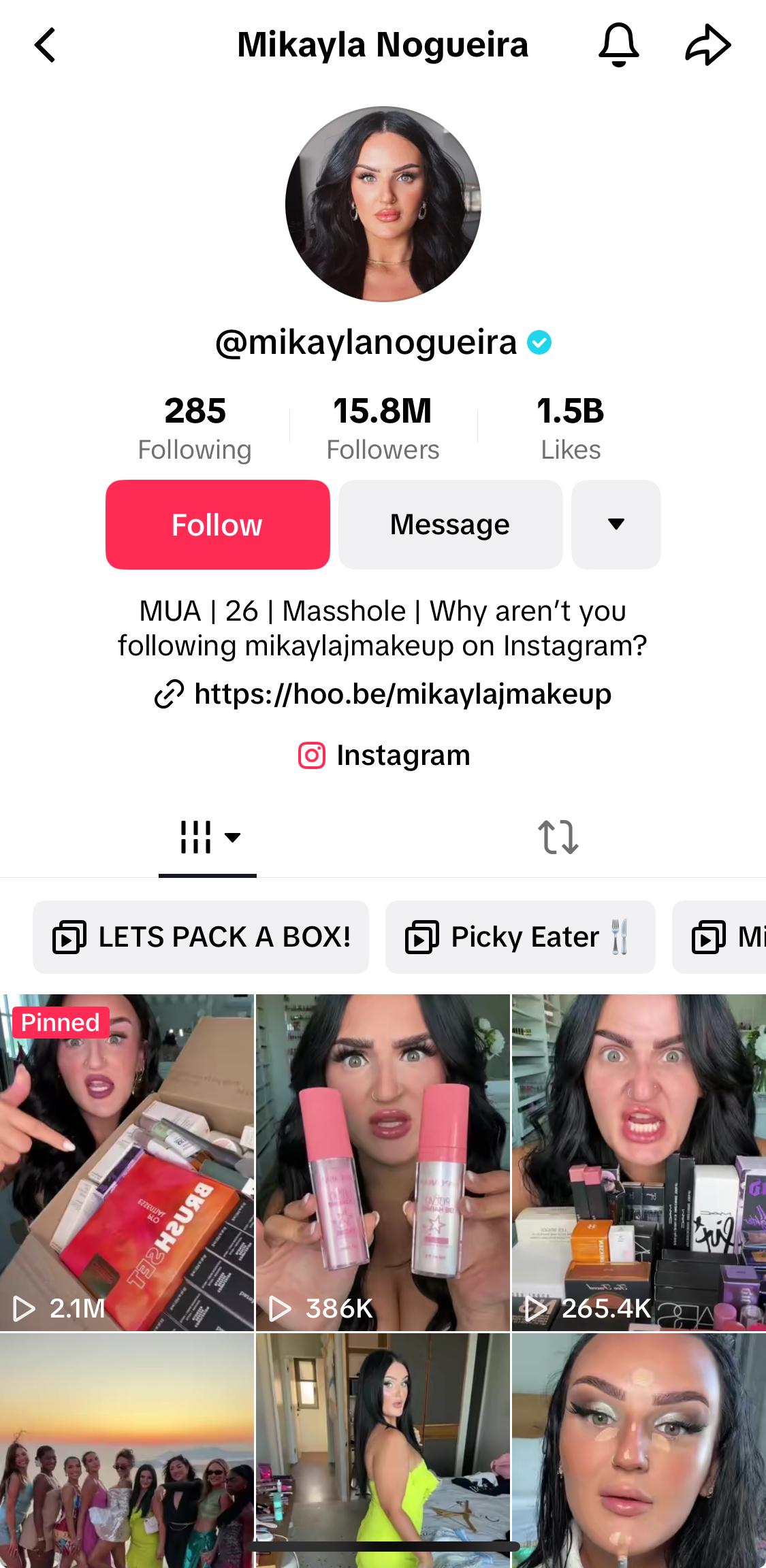
In the ever-evolving landscape of social media, TikTok has emerged as a powerhouse platform, enabling countless individuals to share their creativity and influence with a global audience. As TikTok influencers rise to prominence, they also encounter a complex web of legal and ethical challenges that can significantly impact their careers and online presence. From navigating copyright issues and brand partnerships to understanding advertising regulations and the implications of their content, the responsibilities of influencers extend beyond just creating engaging videos. In this article, we will delve into the critical legal and ethical considerations that TikTok influencers must navigate to ensure their work is not only impactful but also compliant with industry standards and practices. Whether you’re an aspiring creator or an established influencer, understanding these crucial aspects is essential for cultivating a trustworthy and sustainable online brand.
Table of Contents
- Understanding Copyright Laws and Fair Use for TikTok Content Creators
- Disclosures and Transparency: The Importance of Compliance with FTC Guidelines
- Building a Responsible Brand: Managing Ethical Considerations in Influencer Marketing
- Protecting Personal Data: Navigating Privacy Issues on TikTok
- In Summary
Understanding Copyright Laws and Fair Use for TikTok Content Creators
Copyright laws are crucial for TikTok content creators to understand, as they dictate what can and cannot be used in their videos without permission. Copyright protects original works, granting the creator exclusive rights to use, reproduce, and distribute their material. For TikTok influencers, this means being mindful of the music, images, and videos they incorporate into their content. Failing to adhere to copyright laws can lead to videos being taken down, accounts being banned, or even legal action. To avoid these pitfalls, creators should consider using resources such as royalty-free music platforms or original creations to ensure compliance.
On the other hand, the concept of fair use allows limited use of copyrighted material without permission under specific circumstances. This principle can be particularly beneficial for TikTok influencers when crafting commentary, criticism, or educational content. However, it is essential to evaluate whether the use falls under fair use by considering factors such as:
- Purpose and character of the use: Is it for commercial or educational purposes?
- Nature of the copyrighted work: Is the original work more factual or creative?
- Amount and substantiality: How much of the original work is being used?
- Effect on the market: Does the use affect the market value of the original work?
For TikTok influencers, understanding these legal concepts is not just about avoiding consequences but also about fostering creativity. By navigating the waters of copyright and fair use, creators can produce engaging content that resonates with their audience while respecting the rights of original creators.
Disclosures and Transparency: The Importance of Compliance with FTC Guidelines
In the dynamic world of TikTok, where trends and collaborations flourish rapidly, the significance of adhering to FTC guidelines cannot be overstated. Compliance not only safeguards influencers from potential legal repercussions but also establishes a foundation of trust with their audience. Influencers must recognize that transparency is crucial; failing to disclose sponsored content can lead to damaging backlash, not only from followers but also from regulatory bodies. Emphasizing clear communication about partnerships fosters an ethical practice that enhances the influencer’s credibility and aligns with audience expectations.
To ensure compliance and promote transparency, influencers should consider the following practices:
- Clear Disclosure: Use prominent language such as “#ad” or “#sponsored” at the beginning of posts to clarify the nature of the content.
- Educate Your Audience: Briefly explain what sponsored content means and why it’s necessary, fostering understanding and trust.
- Consistent Compliance: Regularly review FTC guidelines to stay updated on any changes and adapt practices accordingly.
- Engage with Followers: Encourage questions about sponsored content, providing transparency and fostering a dialogue.
Maintaining a culture of openness can be a game-changer for influencers. Below is a simple overview of the potential consequences of non-compliance:
| Issue | Potential Consequences |
|---|---|
| Failure to Disclose | Legal Action by FTC |
| Loss of Trust | Decrease in Follower Engagement |
| Negative Media Attention | Long-Term Reputation Damage |
Building a Responsible Brand: Managing Ethical Considerations in Influencer Marketing
In the rapidly evolving landscape of digital marketing, the importance of integrity in influencer partnerships cannot be overstated. Brands must prioritize transparency to build trust with their audiences. Clear communication about sponsored content not only complies with legal requirements but also fosters a positive relationship between influencers and their followers. Influencers should disclose any paid partnerships by using appropriate hashtags like #ad or #sponsored, ensuring their audience understands the nature of the content they are consuming. Additionally, brands should consider the ethical implications of their partnerships, ensuring that the influencers they choose align with their company’s values and mission, thus creating authentic connections with consumers.
To successfully navigate ethical dilemmas, brands can adopt a strategic approach by implementing the following practices:
- Conduct thorough background checks on potential influencers to ensure they have a positive online reputation.
- Establish clear guidelines regarding the ethical standards expected in influencer collaborations.
- Encourage creativity while maintaining brand integrity, allowing influencers to express themselves authentically.
- Regularly evaluate partnerships to ensure alignment continues over time, adapting strategies when necessary.
| Ethical Consideration | Importance |
|---|---|
| Transparency in Sponsorships | Builds trust and credibility |
| Alignment of Values | Ensures authentic brand representation |
| Respect for Audience | Enhances viewer loyalty and engagement |
Protecting Personal Data: Navigating Privacy Issues on TikTok
As TikTok continues to soar in popularity, the importance of protecting personal data is at the forefront of discussions surrounding the platform. Influencers must remain vigilant about the type of information they share, ensuring that they do not compromise their privacy nor that of their followers. Key considerations include:
- Understanding what personal information is being collected by TikTok.
- Configuring privacy settings to control who can view content and interact.
- Being cautious with third-party applications that may link to TikTok accounts.
Moreover, influencers should be aware of the legal implications of data usage, particularly in light of regulations like the General Data Protection Regulation (GDPR) and the California Consumer Privacy Act (CCPA). These laws emphasize the necessity for transparency and informed consent when handling user data. To assist influencers in their journey to responsible data management, here’s a brief overview of essential regulations:
| Regulation | Description | Key Rights |
|---|---|---|
| GDPR | A comprehensive data protection law in the EU. | Right to access, right to be forgotten. |
| CCPA | California law enhancing consumer privacy rights. | Right to know, right to delete. |
In Summary
As we wrap up our exploration of the legal and ethical landscape surrounding TikTok influencers, it’s clear that navigating this rapidly evolving space requires a keen understanding of both rules and responsibilities. As an influencer, staying informed about the relevant laws and ethical guidelines is not just about compliance; it’s also about fostering trust with your audience. Transparency, authenticity, and informed content creation are crucial in building a sustainable online presence.
Remember, the digital landscape is constantly changing, and what may be applicable today might evolve tomorrow. Staying up-to-date with best practices and emerging regulations will serve you well in the long run. By prioritizing both legal adherence and ethical integrity, you not only protect yourself but also contribute positively to the broader TikTok community.
Whether you’re just starting out or looking to refine your brand, understanding these legal and ethical issues is essential. As you continue your journey as a TikTok influencer, keep these insights in mind, and empower your content creation with knowledge and responsibility. Happy TikToking!