
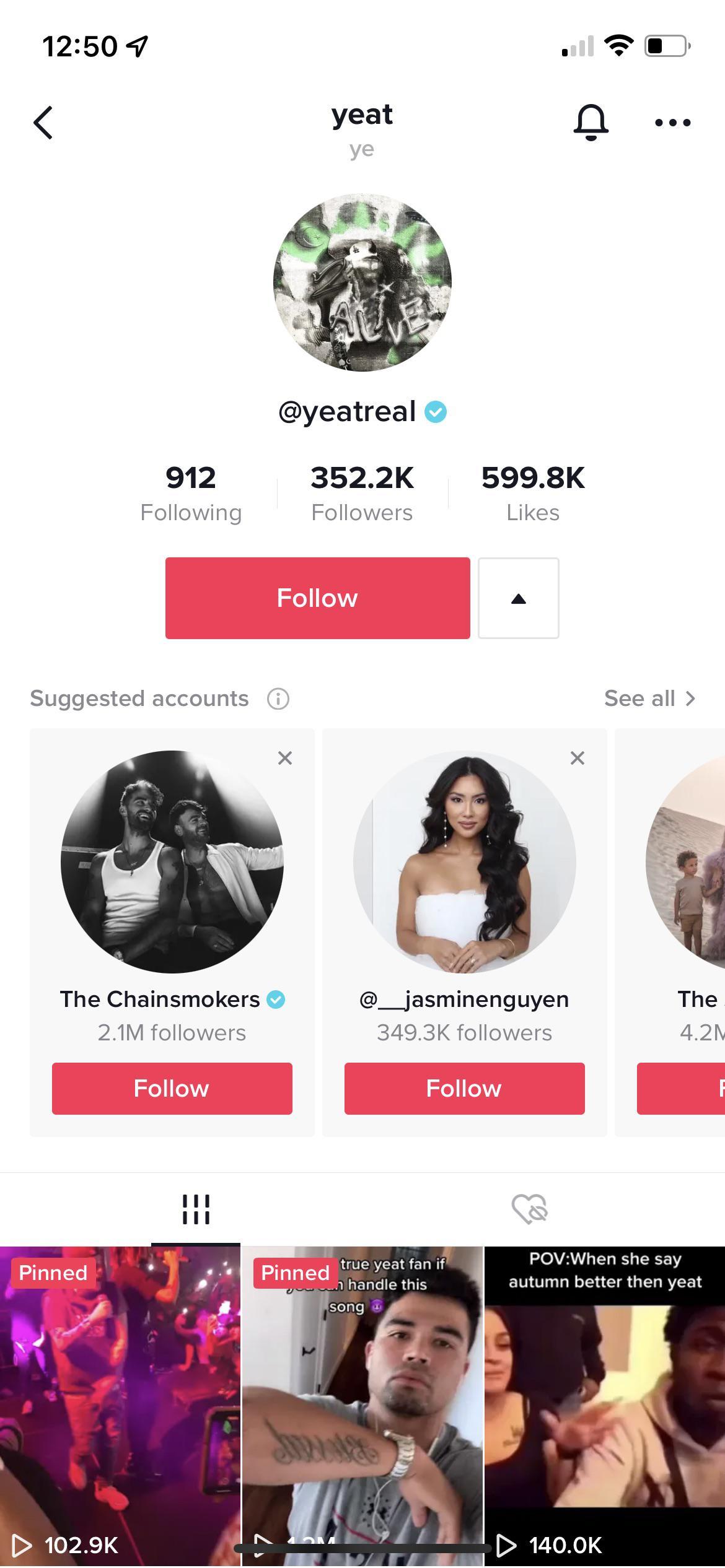
In the vibrant and dynamic world of TikTok, where creativity flourishes and trends evolve at lightning speed, it’s easy to get swept up in the excitement. However, as the platform continues to gain popularity, the presence of fake accounts and impersonators has surged, posing potential risks for users. Navigating this sea of content can be daunting, especially for those who wish to protect their personal information and well-being. In this guide, we will explore essential tips and strategies to help you identify fake TikTok accounts and safeguard your online experience. By arming yourself with knowledge, you can enjoy the full benefits of TikTok while staying safe from deception and scams. Read on to discover how to spot the signs of a counterfeit account and enhance your digital literacy in the realm of social media.
Table of Contents
- Identifying Red Flags in Profile Information
- Understanding the Signs of Fraudulent Engagement
- Utilizing TikToks Security Features for Enhanced Protection
- Best Practices for Reporting and Blocking Suspicious Accounts
- Future Outlook
Identifying Red Flags in Profile Information
When evaluating TikTok accounts, certain indicators can signal that a profile may not be genuine. Look for characteristics that stand out and may suggest an account is impersonating a user or simply aiming to mislead. Consider the following aspects:
- Username Inconsistencies: If the username is a random combination of letters and numbers, or mimics a well-known brand with slight alterations, proceed with caution.
- Limited Content: Be wary if the account has few or no posts, as this often indicates an account created for spamming rather than genuine usage.
- Follower-Count Discrepancies: Accounts with an unusually high follower-to-following ratio can indicate inauthentic profiles.
Another red flag is the profile’s biography. A lack of personal information, vague statements, or excessive hashtags can point to a fabricated account. Evaluate these elements closely:
| Red Flag | What to Look For |
|---|---|
| Profile Photo | Stock images or generic photos, rather than personal pictures. |
| Contact Information | Unrealistic or suspicious email addresses and links. |
| Engagement | Profiles that engage only with each other or have scripted comments. |
Understanding the Signs of Fraudulent Engagement
Identifying fraudulent engagement on TikTok can be challenging, but certain signs can help you spot potential scams. One major indicator is a sudden surge in followers that seems too good to be true. If an account goes from a handful of followers to thousands overnight without any substantial content to support that growth, it’s a red flag. Other signs include unusual engagement patterns, such as high likes with very low views or meaningless comments that don’t align with the content. This behavior often suggests that accounts are using bots or purchased followers to inflate their appearance.
Additionally, take note of the quality and consistency of content. Authentic accounts typically have a coherent brand and produce original content regularly. Conversely, fraudulent accounts may rely on stolen or reused content, often lacking a personal touch. Look for signs like watermarked videos from other creators or a mishmash of unrelated content that fails to establish a clear niche. It’s also vital to assess the account’s interaction with its followers. Accounts that don’t respond to comments or interact with their audience may not be genuine. By remaining vigilant and recognizing these distinctive signs, you can protect yourself from fake accounts.
Utilizing TikToks Security Features for Enhanced Protection
To ensure a safer TikTok experience, it’s crucial to utilize the platform’s built-in security features effectively. One primary tool at your disposal is the Privacy Settings menu, which allows you to control who can see your content and interact with you. By adjusting these settings, you can limit your content’s visibility to only friends or account followers, enhancing your account’s protection against potential impersonators and scammers. Additionally, consider enabling Two-Factor Authentication (2FA). This feature adds an extra layer of security by requiring a verification code sent to your registered phone number whenever you log in from an unrecognized device.
Engaging with TikTok’s Safety Center can also provide valuable insights and suggestions for protecting your account. Here, you’ll find tools to report suspicious accounts or content, ensuring a community that prioritizes safety. Other options include restricting direct messages from users you don’t follow and posting content with comment filtering to control interactions. Leveraging these features can significantly decrease the chances of connecting with fake accounts, offering a more secure and enjoyable TikTok experience.
Best Practices for Reporting and Blocking Suspicious Accounts
When you encounter a suspicious account on TikTok, taking prompt action is crucial for maintaining a safe online environment. To ensure effective reporting, gather as much information as possible about the account in question. Take note of their username, profile picture, and any unusual activity or messages that raised your concerns. Once you’ve compiled this information, use TikTok’s built-in reporting feature. Navigate to the account’s profile, click on the three dots in the top right corner, and select “Report.” Choose the appropriate reason for reporting, such as “Impersonation” or “Spam,” and follow the prompts to submit your report.
Blocking suspicious accounts is equally important in safeguarding your TikTok experience. By blocking an account, you prevent them from viewing your content, messaging you, and interacting with your profile. To block an account, access their profile and tap on the three dots in the upper right corner. Select “Block” from the menu that appears. Additionally, consider reviewing your privacy settings to limit interactions with unknown users. You can adjust settings concerning who can comment on your videos, send you direct messages, or even view your profile, which can significantly reduce your exposure to potentially harmful accounts.
Future Outlook
In our digital age, where authenticity often feels like a precious commodity, knowing how to spot fake TikTok accounts is essential for both personal safety and peace of mind. As we’ve explored in this guide, recognizing red flags—such as suspicious follower counts, generic content, and inconsistent engagement—can empower you to navigate the platform more safely. Remember, cultivating a secure online experience is a shared responsibility; by staying vigilant and informed, you contribute to a healthier TikTok community.
As you continue to engage with content on TikTok, always prioritize your safety and privacy. Don’t hesitate to report suspicious accounts and educate your peers about the potential risks associated with fake profiles. Together, we can foster a vibrant, genuine social media experience.
Thank you for reading, and we hope this guide has equipped you with valuable insights to help you enjoy TikTok with confidence. Stay safe, and keep sharing your authentic self!