
Introduction: Navigating TikTok’s Reporting Process for Inappropriate Content
As one of the most popular social media platforms, TikTok offers a vibrant space for creativity, entertainment, and connection. However, like any online community, it can sometimes be marred by inappropriate content that may not align with its community guidelines. Whether it’s harmful behavior, hate speech, or explicit material, ensuring a safe and positive environment is crucial for all users. In this step-by-step guide, we’ll walk you through the process of reporting inappropriate content on TikTok. By understanding how to effectively use the platform’s reporting features, you can help maintain a healthy digital ecosystem for everyone. Let’s dive into how to report content, what types of issues to look out for, and the importance of your role in promoting community standards on TikTok.
Table of Contents
- Understanding TikTok’s Community Guidelines and Reporting Procedures
- Identifying Inappropriate Content: What to Look For
- Step-by-Step Process for Reporting Content on TikTok
- Tips for Following Up on Your Report and Ensuring Accountability
- In Summary
Understanding TikTok’s Community Guidelines and Reporting Procedures
To effectively navigate TikTok’s vibrant community, it’s essential to familiarize yourself with its Community Guidelines. These guidelines are designed to maintain a safe and positive environment for all users. TikTok prohibits a range of behaviors, including but not limited to:
- Harassment and bullying: Targeting individuals with harmful behaviors.
- Hate speech: Promoting violence or hatred against individuals based on attributes like race, ethnicity, or gender.
- Graphic content: Sharing images or videos that are violent or sexually explicit.
- Spam: Engaging in misleading practices, including excessive or repetitive content.
When you encounter content that seems to violate these guidelines, it’s important to utilize the reporting mechanism. The process starts with identifying the offending video, then tapping on the Share button, which leads you to the Report option. Once there, you can select from several categories that best fit the nature of the violation. TikTok categorizes reports into:
| Report Type | Description |
|---|---|
| Spam | Content that appears to be promotional or deceptive. |
| Inappropriate or Offensive | Content that violates community standards. |
| Impersonation | When someone falsely represents themselves as another user. |
Once you submit your report, TikTok reviews it and may take actions such as removing the content or banning the user if necessary. This feedback loop is vital for fostering a respectful community and plays a crucial role in ensuring that user experiences remain enjoyable and safe.
Identifying Inappropriate Content: What to Look For
When navigating the lively landscape of TikTok, it’s essential to remain vigilant about the types of content that populate your feed. Identifying undesirable material is crucial for maintaining a safe and respectful online community. Look for the following indicators:
- Hate Speech: Any content that promotes violence or hatred against individuals or groups based on attributes like race, ethnicity, religion, sexual orientation, or disability.
- Graphic Violence: Videos showcasing or glorifying intense and brutal acts of violence, including physical harm or abuse.
- Adult Content: Inappropriate or explicit material that is sexual in nature, including nudity or suggestive behaviors.
- Misinformation: Content that spreads false or misleading information, particularly regarding health, safety, or other critical issues.
- Bullying and Harassment: Any behavior aimed at intimidating, threatening, or humiliating individuals, including targeted attacks or sustained campaigns.
Recognizing these patterns can help you flag content that violates TikTok’s community guidelines. Additionally, some creators may inadvertently produce content that doesn’t align with the platform’s standards. In these cases, keep an eye out for:
- Inappropriate Language: Profanity or slurs that may offend viewers or create a hostile environment.
- Deceptive Practices: Content that misrepresents brands, products, or services through manipulative tactics.
- Impersonation: Accounts impersonating other users or brands, which can mislead followers.
Step-by-Step Process for Reporting Content on TikTok
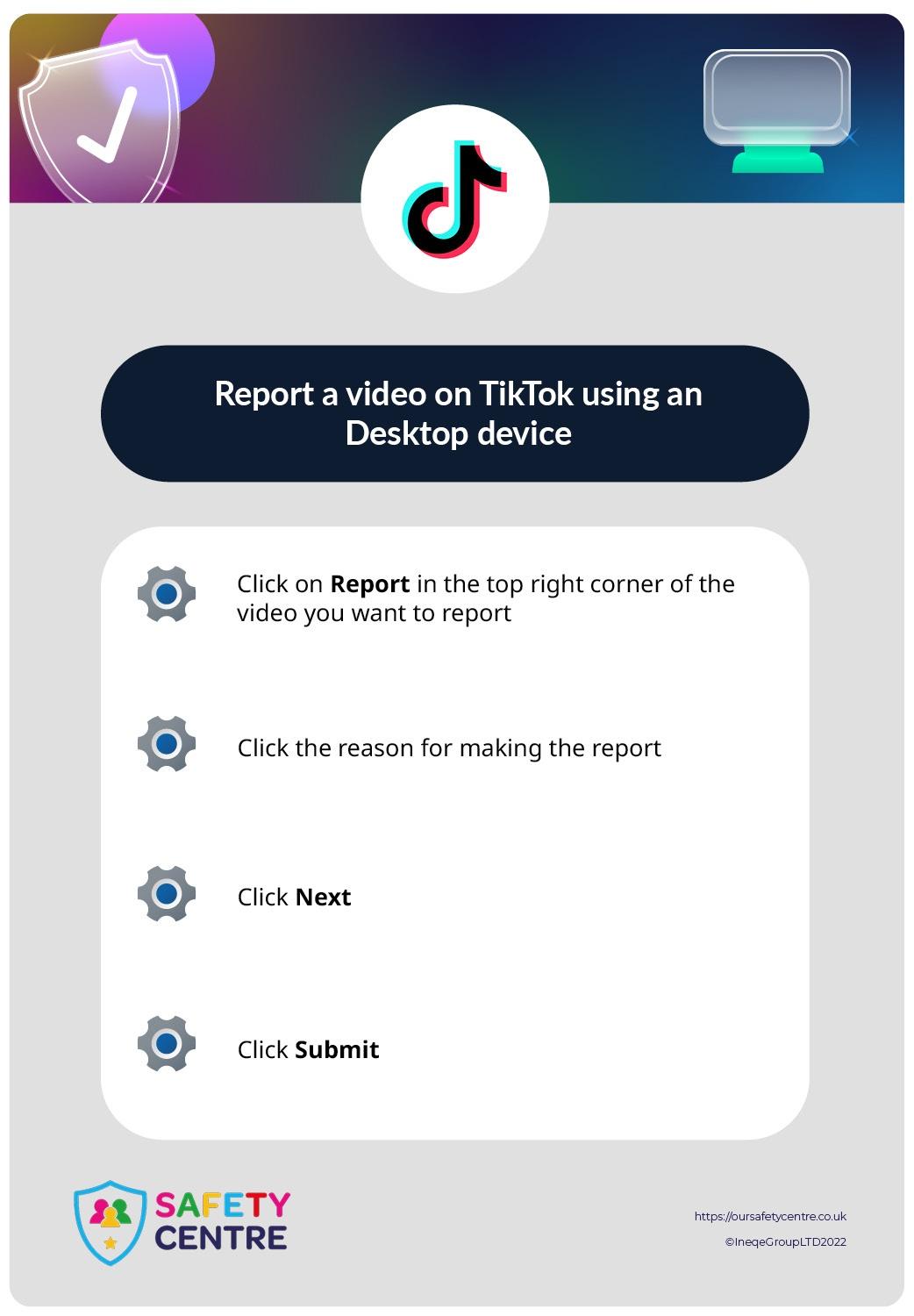
Reporting inappropriate content on TikTok is a straightforward process that empowers users to maintain a safe and respectful community. To initiate a report, locate the video in question and tap on the share icon (the arrow pointing right) on the right side of the screen. From the options that appear, select Report. You will then be prompted to choose the reason for reporting, which can include categories such as nudity, harassment, or hate speech. Once you select the reason, tap on Submit to send your report for review.
It’s important to be as specific as possible when reporting content. If the video contains additional issues, you can provide further details in the next prompt. TikTok reviews reports based on community guidelines and will take appropriate action if necessary. Remember, users can also report comments or accounts directly by tapping on the respective three dots next to the content. Following this process contributes to a healthier TikTok environment, ensuring that the platform remains enjoyable for everyone. Below is a quick reference table summarizing the steps to report content on TikTok:
| Step | Action |
|---|---|
| 1 | Locate the video and tap the share icon. |
| 2 | Select “Report” from the options. |
| 3 | Choose the reason for reporting. |
| 4 | Click “Submit” to send your report. |
Tips for Following Up on Your Report and Ensuring Accountability
After submitting your report, it’s essential to actively follow up to ensure that your concerns are addressed appropriately. Start by keeping a record of your submission details, including the date, time, and the specific content reported. This will help you track the status of your report. You can also reach out to TikTok’s support team through their official channels. When doing so, be polite yet assertive; clearly state your previous report’s details and express your concerns about the lack of feedback. This demonstrates your commitment to holding the platform accountable.
Additionally, fostering community awareness can amplify your voice and encourage collective action. Consider sharing your experience with friends or on social media, while maintaining respect for privacy and following platform guidelines. This can create a ripple effect, motivating others to report similar content. When accountability is expected, it often compels platforms to take action. To streamline your efforts, you might find it useful to collaborate with others in your community. Here’s a simple table that outlines the key strategies for effective follow-up:
| Strategy | Description |
|---|---|
| Document Everything | Keep track of the date, time, and details of your report. |
| Contact Support | Reach out for updates, stating your case clearly. |
| Spread Awareness | Share your experience to motivate others to act. |
| Community Collaboration | Work with others for a united front on accountability. |
In Summary
navigating the realm of social media can be challenging, especially when encountering inappropriate content that violates community standards. By following this step-by-step guide, you are not only empowering yourself to take action but also contributing to a safer and more enjoyable platform for everyone. Remember, reporting such content is not just a responsibility; it’s a vital part of fostering a positive online environment. Together, we can help ensure that TikTok remains a space where creativity thrives, free from harmful influences. If you encounter troubling content, don’t hesitate to use the reporting tools available. Thank you for being an active participant in promoting a respectful and safe community online. Your voice matters!