
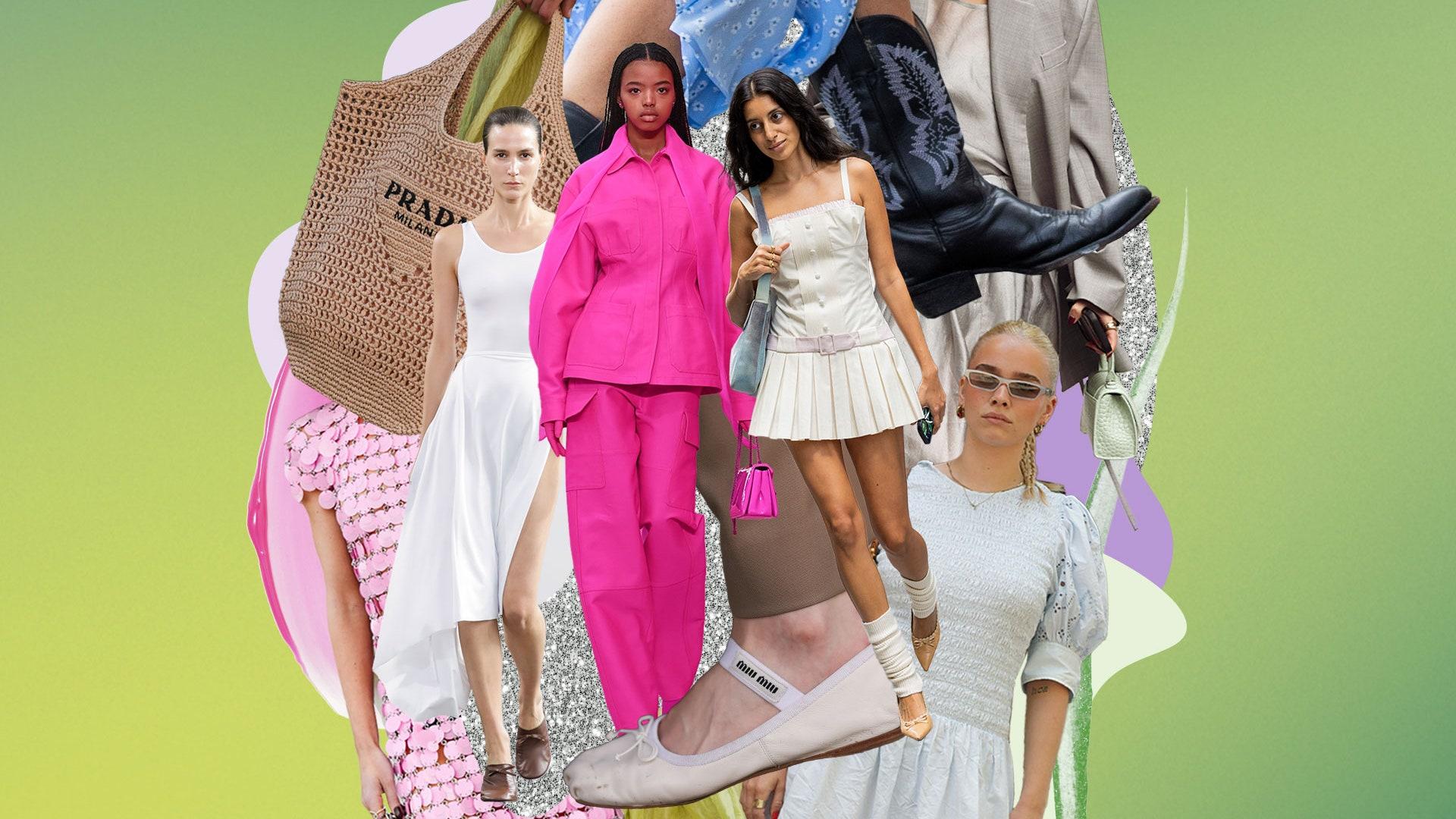
In recent years, TikTok has emerged as a formidable player in the landscape of social media, shaping trends across various domains, including fashion. Among the platform’s most popular content formats are fashion hauls and try-ons, where users showcase their latest clothing purchases and styling techniques. This phenomenon has not only transformed consumer behavior but has also influenced the fashion industry itself, driving brands to adapt to rapidly changing tastes and preferences. In this article, we delve into the surge of TikTok fashion hauls and try-ons, analyzing their impact on both influencers and consumers, and exploring how this trend reflects broader shifts in the way fashion is consumed and marketed in the digital age.
Table of Contents
- The Impact of TikTok Fashion Hauls on Consumer Behavior
- Exploring Key Trends in TikTok Try-Ons and Styling Techniques
- Influencer Collaborations and Their Role in the TikTok Fashion Ecosystem
- Strategies for Brands to Leverage TikTok Fashion Trends Effectively
- Final Thoughts
The Impact of TikTok Fashion Hauls on Consumer Behavior
The rise of fashion hauls and try-ons on TikTok has fundamentally transformed consumer purchasing patterns, harnessing short-form video content to create a sense of urgency and desire. Users are now exposed to a plethora of styles and trends almost instantaneously, thanks to the platform’s algorithm that promotes visually engaging and relatable content. This has led to a significant shift in how consumers, particularly Gen Z and millennials, approach fashion shopping. The addictive format encourages viewers to not only watch but also actively participate in the fashion conversation, resulting in increased impulse buying fueled by the appeal of ‘fomo’ (fear of missing out).
Moreover, the TikTok fashion community thrives on authenticity and peer reviews, influencing purchasing decisions far beyond traditional marketing channels. When influencers showcase their finds, they often provide critical insights into sizing, fabric quality, and outfit versatility. This transparency builds trust and drives conversions in a way that conventional advertisement can’t match. Key factors driving this trend include:
- Relatable Content: Consumers connect with regular users sharing their shopping experiences.
- Instant Gratification: Quick videos lead to immediate purchasing decisions.
- Sustainable Choices: Many users promote thrifting and sustainable fashion, appealing to eco-conscious shoppers.
In essence, TikTok’s fashion hauls serve as a powerful catalyst reshaping how brands market their products and how consumers make informed decisions in the fast-paced world of fashion.
Exploring Key Trends in TikTok Try-Ons and Styling Techniques
The rise of TikTok has significantly influenced fashion trends, particularly through the increasing popularity of try-on videos and styling techniques. Users are no longer just influencers promoting a product; they are actively participating in a communal exploration of fashion. This haptic experience enables audiences to visually engage with outfits in a relatable context, leading to more spontaneous purchasing decisions. As creators show how they would actually style various pieces, they often emphasize key elements that resonate with their followers, including:
- Layering Techniques: Demonstrating how a basic outfit can be elevated.
- Accessorizing: Highlighting the impact of accessories on overall style.
- Mixing Styles: Combining casual and formal elements to showcase versatility.
In response to these trends, brands have rapidly adapted their marketing strategies to leverage these authentic demonstrations. By creating branded hashtags and challenges, they encourage user-generated content that reflects the evolving tastes of younger audiences. To further enhance engagement, TikTok creators often share quick tips and hacks that can easily be incorporated into everyday outfits. This interplay between consumers and brands has resulted in a unique fashion ecosystem. Below is a table illustrating recent TikTok fashion trends and their impact:
| Trend | Impact | Example |
|---|---|---|
| Reels over Static Posts | Higher engagement and relatability | Fashion hauls and styling tips |
| Sustainable Fashion | Increased awareness and demand | Thrift flips and upcycled outfits |
| Nostalgic Styles | Revival of past trends | Y2K and retro fashion |
Influencer Collaborations and Their Role in the TikTok Fashion Ecosystem
Influencer collaborations have become a driving force behind the evolving landscape of fashion on TikTok. These partnerships not only elevate individual brands but also shape consumer perception and trends. Through carefully curated content, influencers engage their audiences in authentic ways, showcasing products in a manner that traditional advertising often struggles to achieve. The *viral nature* of TikTok allows these collaborations to reach a wider audience quickly, fostering a sense of community among users who share a passion for fashion. As a result, influencers are transforming the shopping experience, allowing viewers to see how pieces fit into real-life scenarios, enhancing the value of *try-on videos* and *haul content*.
This shift towards influencer-led marketing has also led to strategic brand partnerships that focus on specific aesthetics and target demographics. Brands leverage popular trends on TikTok, working with influencers who align with their identity and values, ensuring that their products resonate with the desired audience. Some key factors characterizing these collaborations include:
- Authenticity: Influencers curate content that feels genuine, leading to higher engagement rates.
- Real-time feedback: Brands receive immediate consumer reactions, allowing for agile adjustments to marketing strategies.
- Increased visibility: Working with trendsetting influencers amplifies brand exposure across diverse follower bases.
Strategies for Brands to Leverage TikTok Fashion Trends Effectively
To effectively capitalize on the rapid rise of TikTok fashion trends, brands must adopt a multifaceted approach that resonates with the platform’s user base. Engagement is key; brands should focus on creating authentic, relatable content that encourages users to participate in challenges or showcase their own fashion finds. By collaborating with popular TikTok influencers who embody the brand’s ethos, companies can reach a wider audience while adding genuine credibility to their campaign. Utilizing features like the platform’s shopping tags can directly link to products featured in a video, making impulse purchases easier for potential customers.
Brands should also invest in data analytics to track the performance of their TikTok campaigns and adapt their strategies accordingly. Trend forecasting is crucial; regularly monitoring trending hashtags and popular sounds can help brands stay ahead of the curve and align their releases with what users are currently excited about. Moreover, considering seasonal and cultural contexts can inform timely content creation that feels relevant and community-centered. Building a feedback loop by encouraging comments and shares will not only boost engagement but also foster a loyal consumer base that feels valued and heard.
Final Thoughts
the rise of TikTok fashion hauls and try-on videos represents a significant shift in consumer behavior and marketing strategies within the fashion industry. As influencers and everyday users alike share their personal style journeys in short, engaging formats, traditional fashion advertising is being challenged by a more interactive and democratic approach to fashion curation. This trend not only highlights the power of social media in shaping consumer preferences but also underscores the importance of authenticity in brand engagement. As we continue to navigate the evolving landscape of digital commerce, it remains to be seen how TikTok’s fashion phenomenon will further influence buying habits and reshape industry standards. The implications for brands, influencers, and consumers alike will undoubtedly be profound, inviting both opportunity and scrutiny in equal measure.