
In a bold move that could reshape the landscape of online video content, TikTok has announced its strategic initiative aimed at penetrating the long-form video segment traditionally dominated by YouTube. As the platform continues to see exponential growth in user engagement and content creation, TikTok’s decision to expand beyond its hallmark short clips signals a significant shift in its competitive approach. With enhanced features catering to creators and an emphasis on high-quality, longer videos, TikTok is positioning itself to capture the attention of audiences seeking more in-depth storytelling and comprehensive content. This strategic pivot not only underscores TikTok’s ambition to diversify its offerings but also highlights the intensifying rivalry between two of the most influential players in the digital media space. As both platforms vie for viewer loyalty and advertising revenue, industry analysts are closely monitoring how this development could redefine content consumption patterns in an increasingly fragmented media environment.
Table of Contents
- TikToks Expansion into Long-Form Content: An Overview of Strategic Objectives
- Comparative Analysis of TikTok and YouTubes User Engagement Metrics
- Recommended Best Practices for Creators Navigating the New Landscape
- Implications for Advertisers: Understanding TikToks Monetization Approach
- In Summary
TikToks Expansion into Long-Form Content: An Overview of Strategic Objectives
TikTok’s recent pivot towards long-form content marks a significant evolution in its strategy, aimed at establishing a formidable presence in the digital video landscape. This expansion is designed not only to attract seasoned creators but also to retain viewers who are seeking deeper engagement. Among the strategic objectives that underlie this move are:
- Diverse Content Offerings: Encouraging creators to produce varied content that caters to a broader audience.
- Enhanced Viewer Retention: Keeping users engaged for longer periods to boost watch time and monetize content effectively.
- Creator Incentives: Implementing monetization strategies similar to those of YouTube to attract top talent.
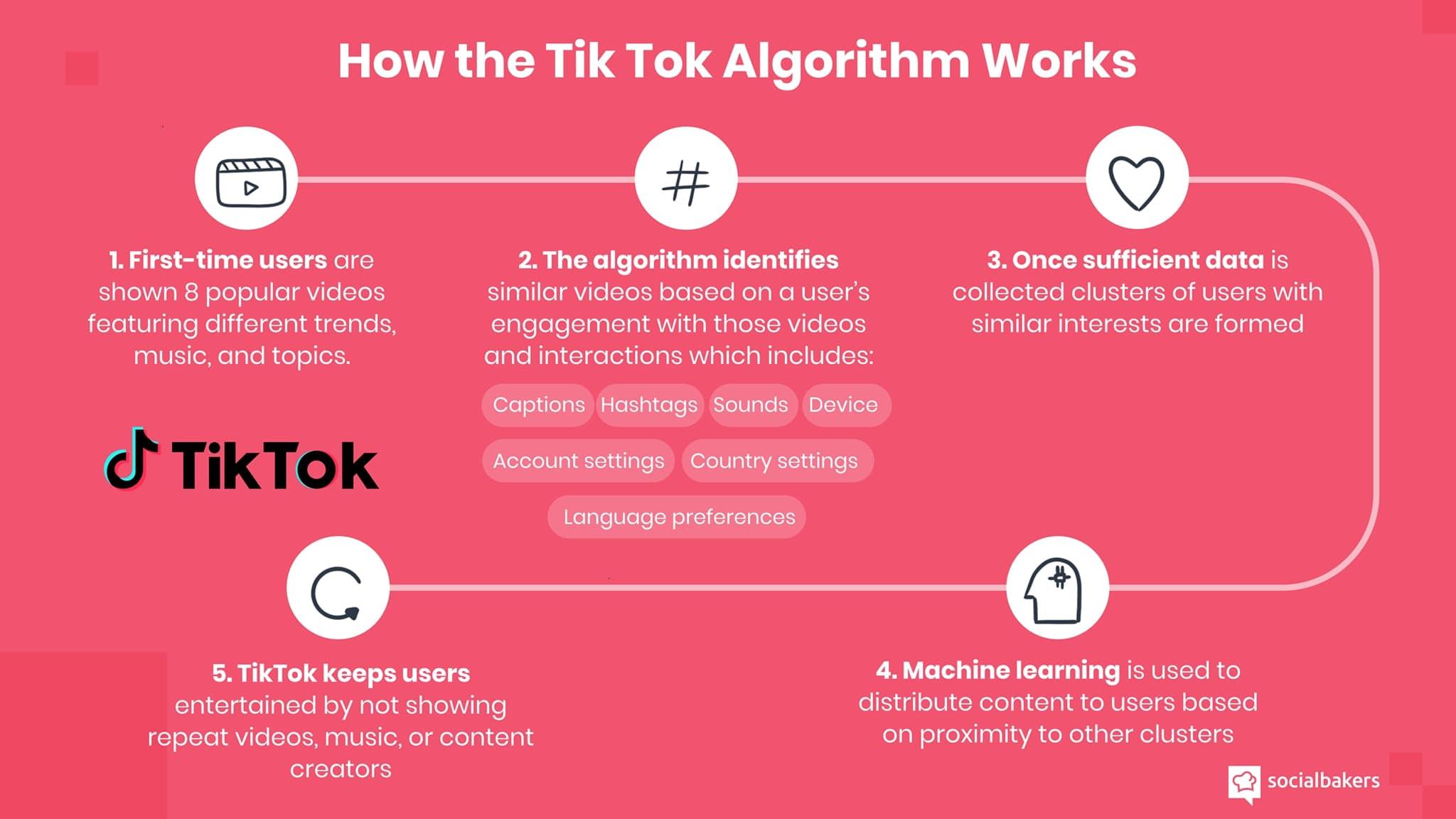
In the wake of this transformation, TikTok is expected to modify its platform features to support longer videos, enabling creators to craft more intricate narratives. These adjustments include evidence of advanced editing tools and a shift in the algorithm to prioritize longer content and potentially loop viewers into discovering more. Below is a summary of key enhancements being targeted:
| Feature | Description |
|---|---|
| Video Length | Extension to 10 minutes for creators to explore complex themes. |
| Editing Tools | Introduction of comprehensive editing features for seamless storytelling. |
| Algorithm Adjustment | Ranking longer videos more favorably in the feed to maximize exposure. |
Comparative Analysis of TikTok and YouTubes User Engagement Metrics
The ongoing rivalry between TikTok and YouTube has intensified, particularly in the realm of user engagement metrics. TikTok has rapidly cultivated a young and vibrant user base, achieving remarkable engagement figures that set it apart from traditional platforms. Key metrics demonstrate that TikTok users spend an average of 52 minutes per day scrolling through content, with over 90% of users accessing the app at least once a day. The platform’s algorithm efficiently curates personalized feeds, encouraging longer sessions and higher viewer retention. YouTube, while still dominant in long-form video content, shows an average watch time of 40 minutes per session, indicating a more stable, albeit less explosive, growth in engagement as creators and viewers become accustomed to established consumption patterns.
In examining specific engagement rates, it becomes evident that TikTok’s interactive features—such as duets and stitch capabilities—fuel community-driven content, which enhances viewer interaction. By contrast, YouTube relies on comments, likes, and shareability of content that encourages discussions but slows the pace of engagement. Here’s a snapshot of the comparative metrics:
| Engagement Metrics | TikTok | YouTube |
|---|---|---|
| Average Daily Usage | 52 minutes | 40 minutes |
| Daily Active Users | Over 1 billion | Over 2 billion |
| Percentage of Users Active Daily | 90% | 70% |
| Creator Interaction Rate | Higher due to interactive features | Standard engagement metrics |
Ultimately, while YouTube excels in longer playlists and creator-driven content curation, TikTok’s emphasis on rapid, engaging interactions allows it to dominate the short-form video landscape. As TikTok experiments with introducing longer content formats, understanding these metrics will be crucial in predicting how user engagement will shift in response to the evolving landscape.
Recommended Best Practices for Creators Navigating the New Landscape
As TikTok steps into the long-form arena, content creators must adapt their strategies to stay relevant and competitive. To thrive in this evolving landscape, it is essential to embrace innovation and leverage TikTok’s unique features. Focus on creating engaging and visually appealing content that captures the audience’s attention quickly, utilizing TikTok’s editing tools to enhance storytelling. Additionally, maintaining a consistent posting schedule can boost visibility, as the platform’s algorithm favors active creators.
Collaboration with other creators can also play a vital role in audience growth. Establishing partnerships allows for cross-promotion, which can increase reach and diversify content. Furthermore, consider engaging with your audience through comments and live sessions to foster community and loyalty. To assist in this strategy, a simple framework could look like this:
| Action | Purpose |
|---|---|
| Regular Posting | Enhance visibility and algorithm favorability |
| Use of Editing Tools | Boost engagement through creative storytelling |
| Collaborate | Expand audience reach |
| Engage with Followers | Create a loyal community |
Implications for Advertisers: Understanding TikToks Monetization Approach
As TikTok continues to expand its footprint in the long-form content market, brands and advertisers must recalibrate their strategies to effectively engage with the platform’s unique user base. Advertisers should focus on creating authentic, relatable content that aligns with TikTok’s community-driven ethos. To maximize reach and impact, consider the following approaches:
- Leveraging Influencers: Partnering with TikTok creators can help brands tap into established audiences and harness the authenticity that resonates with viewers.
- Utilizing Ad Formats: Explore TikTok’s various advertising options, such as In-Feed Ads and TopView Ads, to strategically position messages within the engaging content users already enjoy.
- Crafting Shareable Content: Focus on content that encourages shares, comments, and interaction, as engagement metrics will be crucial to achieving visibility in this evolving landscape.
Understanding TikTok’s monetization framework also entails recognizing how it impacts ad spending and campaign effectiveness. TikTok’s algorithm prioritizes user engagement and original content, meaning advertisers need to invest in analytics to track performance and adjust strategies accordingly. The following table outlines key monetization elements relevant for advertisers:
| Monetization Feature | Benefits for Advertisers |
|---|---|
| Creator Fund | Encourages content creation, leading to more organic reach. |
| Branded Hashtag Challenges | Drives user participation, increasing brand visibility. |
| Shoppable Ads | Facilitates direct purchases, enhancing conversion rates. |
In Summary
TikTok’s ambitious strategy to penetrate the long-form video market signifies a pivotal moment in the ongoing rivalry between short-form and long-form content platforms. By expanding its offerings and leveraging its vast user base, TikTok aims to diversify its content ecosystem while attracting new creators who thrive on sustained engagement. As the platform implements these changes, it will be crucial to monitor user responses and the potential implications for creators and advertisers alike. The evolving landscape of digital content consumption continues to raise questions about the future of video platforms, and TikTok’s move signals its readiness to compete head-to-head with established giants like YouTube. As this dynamic unfolds, the industry will undoubtedly watch closely to see how these developments reshape the way audiences engage with video content in the coming years.