
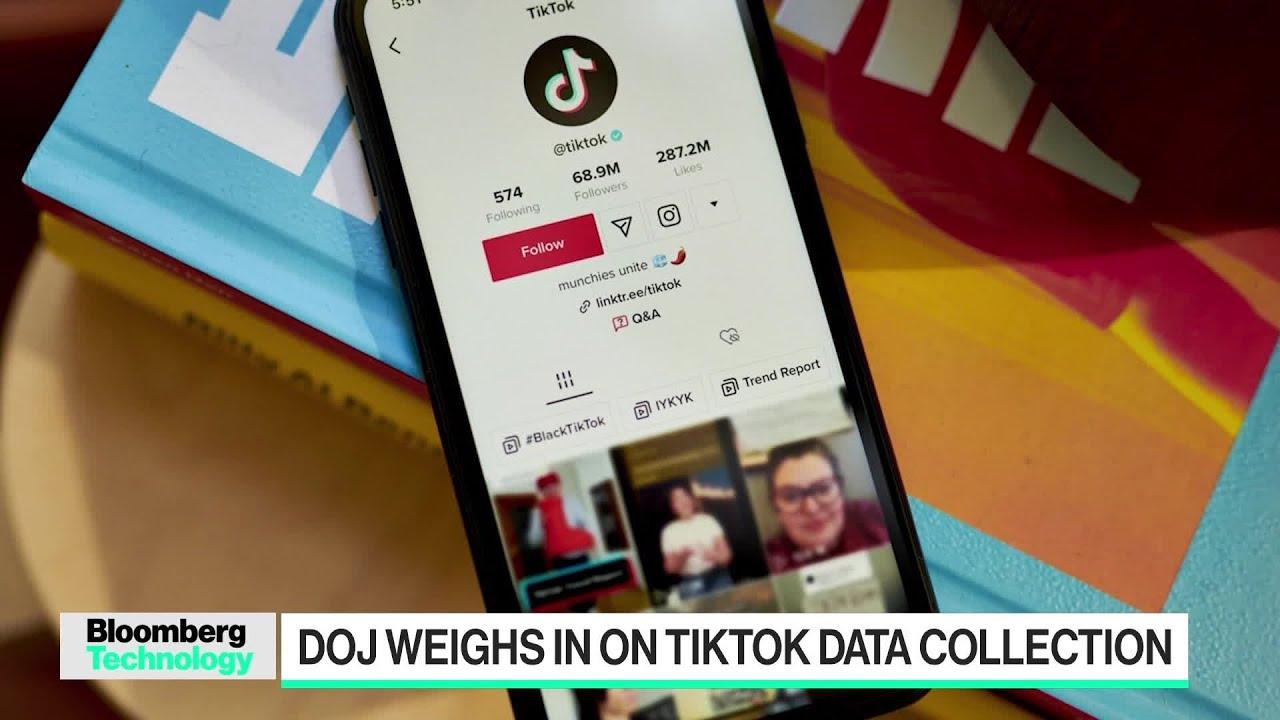
In today’s digital landscape, social media platforms play an increasingly prominent role in our daily lives, and TikTok has emerged as a frontrunner. With its addictive short-form videos and vibrant community, the app has captivated millions around the globe. However, as with any technology that thrives on user interaction, questions about data privacy and collection practices loom large. Understanding how TikTok gathers, uses, and protects personal information is crucial for users who want to navigate the app mindfully. In this article, we’ll delve into the intricacies of TikTok’s data collection methodologies, shedding light on what information is collected, why it’s vital for the platform, and how users can take control of their data. Whether you’re a seasoned TikToker or a curious newcomer, equipping yourself with this knowledge will empower you to use the platform safely and responsibly.
Table of Contents
- Understanding TikTok’s Data Collection Practices
- The Types of Data Collected and Their Implications
- Privacy Concerns: User Responsibilities and Best Practices
- Navigating TikTok’s Privacy Settings for Enhanced Security
- In Conclusion
Understanding TikTok’s Data Collection Practices
TikTok has rapidly gained popularity, but with its rise, concerns about user privacy and data collection have also surged. The app gathers a wide range of data from its users, which can be categorized into several key areas. User Information, such as your profile details and location data, is collected when you sign up. Content Interaction metrics, including your likes, shares, and comments, are tracked to tailor your feed and enhance user engagement. Additionally, Device Information is recorded, encompassing your device type, operating system, and unique identifiers.
Understanding how TikTok handles this data is essential for users who want to maintain control over their privacy. The platform uses this information not only to customize content but also for targeted advertising. Here’s a snap overview of the primary data types that TikTok collects:
| Data Type | Description |
|---|---|
| User Profile Data | Name, username, and profile image. |
| Device Information | Operating system and device type. |
| Usage Data | Time spent on the app and engagement patterns. |
| Content Data | Videos watched, liked, and shared. |
This collection practice underscores the importance of being aware of how your data is utilized. While personalized experiences can enhance user enjoyment, it’s crucial to periodically review privacy settings and read TikTok’s privacy policy for a better understanding of your data rights.
The Types of Data Collected and Their Implications
TikTok employs a comprehensive data collection strategy to enhance user experience and optimize platform functionality. The types of data collected include:
- User-generated content: Videos, captions, and comments shared by users.
- Behavioral data: Information on how users interact with the app, such as viewing duration, likes, shares, and scroll patterns.
- Device information: Details about the user’s smartphone or computer, including operating system, browser type, and unique device identifiers.
- Location data: GPS data to tailor content and ads based on the user’s location.
- Demographic information: Age, gender, and interests, often aggregated through user profiles.
The implications of collecting such diverse data are significant. Not only does it enable TikTok to curate personalized content, but it also raises privacy concerns among users. For instance, the extensive collection of behavioral and demographic data allows the app to provide targeted advertising, which can be a double-edged sword. While this ensures users see relevant ads, it also leads to a sense of surveillance and concern over personal information misuse. Here’s a table illustrating potential implications:
| Type of Data | Potential Implications |
|---|---|
| User-generated content | Creative expression but can lead to issues with copyright and ownership. |
| Behavioral data | Personalized experiences vs. data privacy concerns. |
| Location data | Enhanced localization vs. risks of tracking. |
Privacy Concerns: User Responsibilities and Best Practices
As TikTok continues to grow in popularity, users must remain vigilant about their privacy and the data they share. Understanding that you hold a part of the responsibility for maintaining your privacy is crucial. Users should regularly review their privacy settings to ensure that they are comfortable with the information being shared. Consider these best practices to enhance your privacy:
- Adjust your privacy settings to limit who can view your content.
- Be cautious about joining public groups or participating in viral challenges that require personal information.
- Regularly audit the apps and services linked to your TikTok account.
- Enable two-factor authentication for an extra layer of security.
Moreover, educating yourself about the types of data that TikTok collects can empower you to make informed decisions. Whether it’s your location, device information, or interactions on the app, understanding these aspects can help you mitigate potential risks. Here’s a simplified overview of data you should be aware of:
| Data Type | Description |
|---|---|
| Location Data | Tracks geographical information during usage. |
| User Interactions | Monitors likes, comments, and shares. |
| Device Information | Gathers data about your device specifications. |
By being proactive and mindful of your online footprint, you can enjoy the benefits of TikTok while safeguarding your personal information.
Navigating TikTok’s Privacy Settings for Enhanced Security
When diving into TikTok’s myriad of privacy settings, it’s essential to understand the platform’s data collection practices and how to customize your experience. Start by accessing your profile and navigating to the “Privacy” section in the settings menu. Here, you’ll find several options to help protect your personal information. Key settings to consider include:
- Account Privacy: Switch your account to private to limit exposure to only those users you approve.
- Direct Messages: Control who can send you messages by adjusting your settings to friends only or turning them off entirely.
- Comment Filtering: Use the comment filter feature to block unwanted messages or restrict comments to only your followers.
Additionally, familiarizing yourself with TikTok’s data collection policies is crucial for enhanced security. You can review what data TikTok collects and how it’s used by consulting their privacy policy directly within the app. To make informed decisions about your privacy, consider the following important points:
| Data Collected | Purpose |
|---|---|
| User Location | To provide localized content and advertisements |
| Device Information | To optimize the app’s performance and compatibility |
| Usage Data | To personalize user experience and enhance algorithm accuracy |
By being proactive and exploring these settings, you can significantly increase your security on TikTok while enjoying the creative content that the platform has to offer. Regularly revisiting these settings is also beneficial as features and policies evolve.
In Conclusion
as TikTok continues to capture the attention of millions around the globe, understanding its data collection practices has never been more critical. With its engaging content and innovative features, the platform offers a unique experience, but it’s essential to remain informed about how your data is being used. By familiarizing yourself with TikTok’s privacy policies, data privacy tools, and the implications of your online behavior, you can take more control over your digital footprint.
Remember, knowledge is power when navigating social media, and being proactive about your privacy not only protects you but also encourages platforms to uphold higher standards. As you continue to explore the world of TikTok, stay vigilant and informed, ensuring your user experience is both enjoyable and secure. Thank you for reading, and stay tuned for more insights into the ever-evolving landscape of digital privacy and social media!