
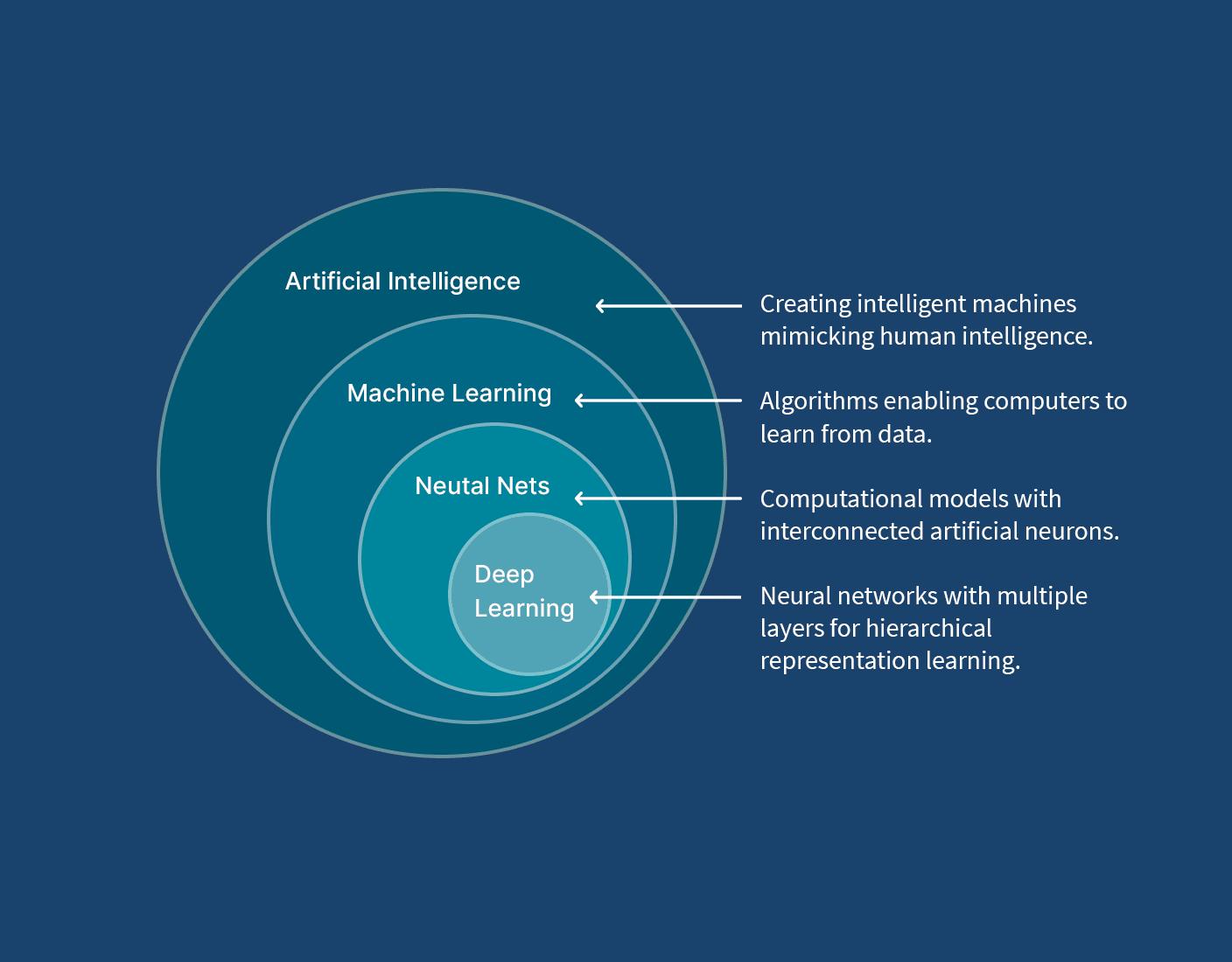
In the rapidly evolving digital landscape, user engagement and retention remain pivotal challenges for social media platforms. TikTok, a leading player in this arena, has adeptly harnessed the power of machine learning to engineer a highly personalized user experience, setting a benchmark for others to follow. This article delves into TikTok’s innovative approach to user personalization, exploring the algorithms that drive content recommendations and the underlying data models that analyze user interactions in real time. By examining the mechanics of TikTok’s machine learning framework, we aim to uncover the intricacies that enable the platform to deliver tailored content at unprecedented scales, fostering deep user engagement while simultaneously enhancing content discoverability. Through this exploration, we seek to elucidate the implications of TikTok’s methodologies for the broader landscape of social media and user experience optimization.
Table of Contents
- Understanding TikTok’s Algorithmic Framework for User Engagement
- Leveraging Data Analytics for Enhanced Content Recommendation
- Implementing Real-Time Feedback Mechanisms for Adaptive Personalization
- Best Practices for Brands to Harness TikToks Machine Learning Capabilities
- Wrapping Up
Understanding TikTok’s Algorithmic Framework for User Engagement
The backbone of TikTok’s user experience lies in its sophisticated machine learning algorithms, meticulously designed to enhance user interaction and retention. By analyzing a multitude of data points, including user preferences, interaction patterns, and content performance, TikTok crafts a highly personalized feed for each user. Key factors influencing this framework include:
- User Engagement: Metrics such as likes, shares, comments, and video completion rates are evaluated to understand user preferences.
- Content Characteristics: The algorithm assesses the type of content users engage with, including genres, themes, and formats.
- Social Relationships: Interactions with other users, including follows and mutual engagement, shape the visibility of content across the platform.
This precise calibration of algorithmic responses results in a dynamic, responsive system that continually evolves based on user behavior. TikTok employs a feedback loop mechanism where insights from user engagements feed back into the algorithm to refine content recommendations. The following table summarizes some of the primary data inputs and their significance:
| Data Input | Significance |
|---|---|
| User Interaction History | Determines content relevance and future recommendations. |
| Video Attributes | Helps identify trending content and adheres to audience preferences. |
| Device and Account Settings | Personalizes experience based on user locale and device type. |
Leveraging Data Analytics for Enhanced Content Recommendation
Data analytics plays a crucial role in refining content recommendation systems, enabling platforms like TikTok to create experiences tailored to individual users. By collecting and analyzing vast amounts of user interaction data—such as video views, likes, shares, and comments—machine learning algorithms can identify patterns and preferences. This deep understanding of user behavior allows for the delivery of personalized content, ensuring that users are presented with recommendations that resonate with their interests and viewing habits. The integration of advanced algorithms also facilitates real-time adjustments, adapting suggestions based on evolving user preferences and seasonal trends.
To effectively harness the power of data analytics, several key strategies are employed:
- User Segmentation: Grouping users based on behavior and preferences for targeted recommendations.
- Content Clustering: Categorizing videos into similar themes, aiding the algorithm in suggesting related content.
- Feedback Loop: Continuously updating the recommendation model based on user interactions to improve precision.
- Contextual Understanding: Taking into account external factors such as time of day and trending topics for more relevant suggestions.
| Data Type | Relevance |
|---|---|
| User Interactions | Understand viewing habits and preferences. |
| Content Metadata | Analyze keywords and categories for better sorting. |
| Demographic Information | Tailor content based on age, location, and interests. |
Implementing Real-Time Feedback Mechanisms for Adaptive Personalization
To enhance user experience, TikTok leverages real-time feedback mechanisms that enable the algorithm to adaptively fine-tune content recommendations. By analyzing user interactions—such as likes, shares, comments, and watch time—TikTok captures valuable insights that facilitate prompt adjustments to its personalization models. This iterative feedback loop ensures that content remains relevant and engaging by continuously aligning with user preferences. Key elements of this approach include:
- Instant Data Collection: The platform gathers user activity instantly, allowing for immediate content updates.
- Engagement Scoring: By scoring user interactions, TikTok prioritizes high-engagement content.
- Machine Learning Algorithms: Advanced algorithms analyze interaction patterns to predict user preferences accurately.
Furthermore, the integration of adaptive personalization is bolstered by a user-friendly interface that encourages interaction, creating a seamless experience. To illustrate, the table below presents a comparison of user interactions pre- and post-implementation of real-time feedback mechanisms:
| Interaction Type | Before Implementation | After Implementation |
|---|---|---|
| Average Likes per Video | 150 | 300 |
| Average Shares per Video | 30 | 75 |
| User Retention Rate | 60% | 85% |
This focused approach not only leads to higher engagement rates but also fosters a more personalized content delivery system, solidifying TikTok’s position as a leader in social media personalization strategies.
Best Practices for Brands to Harness TikToks Machine Learning Capabilities
To effectively leverage TikTok’s machine learning capabilities, brands must prioritize a data-driven approach that focuses on user engagement. By analyzing user behavior, brands can tailor their content to meet the specific needs and preferences of their target audience. This involves:
- Creating Authentic Content: Produce videos that embody genuine storytelling, resonating with viewers on a personal level.
- Utilizing A/B Testing: Experiment with different formats and styles to evaluate what garners the most engagement before implementing broader campaigns.
- Engaging with Trends: Stay ahead of popular trends by rapidly adapting content, allowing for timely relevance in the fast-paced TikTok environment.
Moreover, incorporating TikTok’s advertising tools can significantly enhance brand visibility. Brands should invest in TikTok’s Ad Manager to analyze campaign performance through real-time data and adjust strategies accordingly. Key methods include:
- Implementing Targeting Strategies: Use audience targeting features to reach specific demographics, ensuring that content is served to the most receptive users.
- Analyzing Engagement Metrics: Regularly review TikTok insights to fine-tune content and maximize reach.
- Collaborating with Influencers: Partner with relevant creators to harness their established audience, leveraging machine learning to optimize co-branded content.
Wrapping Up
TikTok’s innovative application of machine learning algorithms stands as a compelling example of how advanced data analytics can revolutionize user engagement and content delivery. By leveraging vast amounts of user data and employing sophisticated models such as collaborative filtering, natural language processing, and computer vision techniques, TikTok has successfully created an environment that not only fosters individual creativity but also enhances the overall user experience through highly personalized content curation.
The platform’s commitment to continuous optimization and real-time feedback loops further underscores the importance of adaptability in user-facing applications. As the field of machine learning evolves, TikTok’s approach provides valuable insights for developers and businesses seeking to harness the power of AI for enhanced customer satisfaction and retention.
As we move forward into an increasingly digital and data-driven world, the lessons drawn from TikTok’s success serve as a blueprint for other organizations aiming to implement similar user personalization strategies. Understanding and embracing these technologies will be critical for any entity wishing to stay relevant in the ever-competitive landscape of digital content consumption. Consequently, the exploration and integration of machine learning will remain a key focus for industries aiming to deliver tailored experiences that resonate with their audiences.