
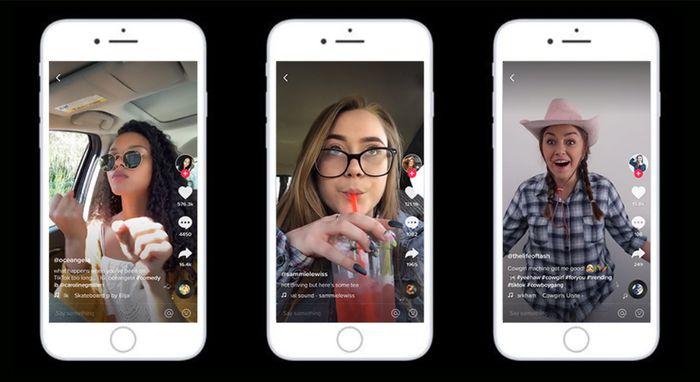
In the dynamic landscape of digital marketing, TikTok has emerged as a formidable force, captivating millions with its engaging short-form content and fostering a new generation of influencers. As brands seek to harness this platform’s viral potential, the challenge lies in navigating the ever-evolving trends while maintaining their core identity and values. Striking this delicate balance requires a nuanced approach—one that embraces creativity and spontaneity without compromising brand integrity. This article explores the intricate interplay between participating in TikTok trends and safeguarding brand authenticity, providing actionable insights for businesses aiming to thrive in this fast-paced environment. By understanding the mechanisms of TikTok’s culture and aligning them with strategic objectives, companies can effectively engage with their target audience while preserving the essence of their brand.
Table of Contents
- Understanding the Dynamics of TikTok Trends and Brand Identity
- Evaluating the Risks of Trend Participation on Brand Reputation
- Strategies for Authentic Engagement Without Compromising Values
- Measuring Success: Metrics for Assessing Brand Integrity in Trend Involvement
- Final Thoughts
Understanding the Dynamics of TikTok Trends and Brand Identity
The rapid evolution of TikTok trends creates a fascinating interplay between virality and authenticity for brands. Engaging with these trends is essential for maintaining relevance, yet it’s equally important for brands to safeguard their core identities. This balancing act involves a careful analysis of each trend’s alignment with brand values. By being selective, brands can participate in trending challenges or formats that resonate with their audience while still reflecting their unique voice. Some effective strategies include:
- Identifying core values: Brands must pinpoint their foundational beliefs to ensure they participate in trends that align with these principles.
- Monitoring audience response: Taking the temperature of audience sentiments can guide brands in adapting or refraining from jumping on certain trends.
- Using analytics tools: Tools that track engagement metrics provide insights into what trends capture user interest without compromising brand integrity.
Ultimately, successful brands on TikTok adopt a strategic framework that blends trend adoption with brand storytelling. They cultivate a narrative that appears organic rather than forced, allowing followers to connect with the content on a personal level. A well-crafted approach might involve evaluating anticipated trends through a structured analysis table, which can serve as a roadmap for decision-making:
| Trend Type | Brand Fit | Potential Risks |
|---|---|---|
| Dance Challenges | High | Over-saturation |
| Humor & Parody | Medium | Misinterpretation |
| Educational Content | High | Less Viral |
By leveraging this analysis, brands can pivot their strategies to not only embrace trends but also foster a coherent brand identity amidst a rapidly shifting digital landscape.
Evaluating the Risks of Trend Participation on Brand Reputation
As brands engage with viral trends on platforms like TikTok, the potential for risk becomes a central consideration. While participation can drive visibility and engagement, it also opens the door to numerous challenges that could impact brand reputation. Companies must remain vigilant about the context and content of these trends, as misalignment can lead to backlash. Key risks include:
- Misinterpretation of Values: Trends may not align with the brand’s core values, triggering accusations of insincerity.
- Negative Publicity: Participation in controversial or transgressive trends can lead to public relations crises.
- Audience Backlash: Followers may react negatively if a brand appears to exploit a trend for profit, undermining authenticity.
To navigate these challenges effectively, brands can implement a structured approach toward trend analysis. A strategic framework that evaluates the potential impact of trends on brand image is essential. Important criteria to consider include:
| Criterion | Consideration |
|---|---|
| Aligns with Brand Ethics? | Ensure that the trend reflects the brand’s ethical stance. |
| Cultural Sensitivity? | Avoid trends that could be interpreted as offensive to specific groups. |
| Long-term vs. Short-term Impact? | Assess whether the trend offers sustainable engagement or only fleeting visibility. |
Strategies for Authentic Engagement Without Compromising Values
Engaging authentically with your audience on TikTok while maintaining brand integrity involves a delicate balance. To achieve this, brands should focus on creating content that resonates genuinely with their core values. This could entail:
- Emphasizing Storytelling: Share stories that highlight the brand’s mission through relatable experiences.
- Collaborating with Authentic Creators: Partner with influencers who genuinely align with the brand’s values and have an engaged audience.
- Encouraging User-Generated Content: Motivate followers to contribute content that reflects their own experiences with the brand.
Another effective approach is to leverage trending formats and challenges while staying true to your message. To do this successfully, brands can:
- Put a Unique Spin on Trends: Adapt popular trends to convey your values, ensuring that any participation feels organic.
- Monitor Audience Sentiment: Engage in two-way conversations and listen to feedback to gauge what resonates with your audience.
- Maintain Transparency: Be open about marketing practices and how trends align with your brand ethos.
Measuring Success: Metrics for Assessing Brand Integrity in Trend Involvement
To evaluate brand integrity during engagement with TikTok trends, businesses should utilize a variety of metrics that reflect both qualitative and quantitative aspects of brand perception. Key indicators include:
- Audience Sentiment: Analyze comments and interactions to gauge consumer sentiment toward your brand’s involvement in trends.
- Engagement Rate: Measure likes, shares, and comments in relation to total views to assess how well the branded content resonates with audiences.
- Brand Recall: Conduct surveys to determine whether consumers can remember your brand’s participation in a trend and relate it back to your core values.
Another essential aspect of measuring success involves tracking performance over time to see how trend involvement impacts brand reputation. Consider compiling data on:
| Metric | Before Trend | After Trend |
|---|---|---|
| Brand Advocacy Score | 65% | 78% |
| Net Promoter Score (NPS) | 30 | 45 |
| Customer Trust Index | 70% | 82% |
By analyzing these metrics, brands can ensure that their involvement in TikTok trends aligns with their integrity and long-term objectives, effectively balancing the demands of trending content with the preservation of their core values.
Final Thoughts
navigating the dynamic landscape of TikTok trends while ensuring brand integrity is a complex yet essential endeavor for modern businesses. As the platform continues to evolve and shape consumer behavior, brands must adopt a proactive and strategic approach to remain relevant without compromising their core values. By prioritizing authenticity, engaging meaningfully with their audience, and aligning with trends that resonate with their identity, companies can successfully harness the power of TikTok to enhance brand visibility and loyalty.
Ultimately, the key lies in finding the delicate balance between innovation and authenticity. As brands push the envelope in embracing trends, they must also remain steadfast in their commitment to the principles that define them. This careful balancing act not only cultivates trust within their customer base but also positions them as forward-thinking leaders in their respective industries. In a world where social media is at the forefront of consumer interaction, the brands that can seamlessly integrate trend participation with a staunch commitment to their values will undoubtedly thrive in the competitive landscape.