
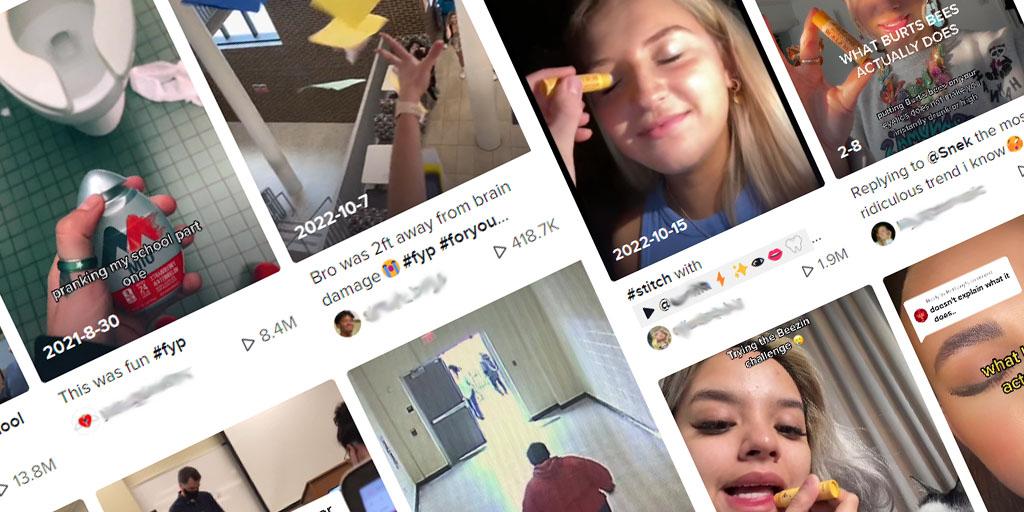
In the rapidly evolving landscape of digital communication, social media platforms have revolutionized the way we engage with one another, share experiences, and express creativity. Among these platforms, TikTok has emerged as a dominant force, particularly renowned for its viral challenges that captivate users and foster community participation. This article presents a comparative analysis of TikTok challenges within the broader context of social media. By examining the distinct characteristics, cultural implications, and psychological impacts of these engaging activities, we aim to uncover the nuanced ways in which TikTok’s challenge culture aligns with—and diverges from—traditional social media interactions. Through this exploration, we seek to gain a deeper understanding of TikTok’s unique contribution to the social media landscape, its role in shaping user behavior, and its potential effects on communication trends in the digital age.
Table of Contents
- TikTok Challenges as Catalysts for Engagement in Social Media Platforms
- The Impact of TikTok Challenges on User Behavior and Content Creation
- Comparative Effectiveness of TikTok Challenges versus Traditional Social Media Campaigns
- Strategic Recommendations for Leveraging TikTok Challenges in Broader Marketing Efforts
- In Summary
TikTok Challenges as Catalysts for Engagement in Social Media Platforms
TikTok challenges have redefined the way users engage with content across social media platforms, serving as dynamic catalysts that not only spark interest but also facilitate community interaction. The participatory nature of these challenges often leads to a viral trend cycle, where users feel compelled to reproduce or react to a specific challenge, showcasing their creativity and individuality. On TikTok, the ease of adding music and effects enhances the appeal, allowing users to quickly produce shareable content that is consumable within seconds. In contrast, while other social media platforms like Instagram and Facebook do host challenges, they often lack the same immediacy and collaborative spirit, as visual content is typically less spontaneous and more curated.
In examining the impact of these challenges on user engagement, it becomes evident how TikTok has successfully integrated community-driven ideas into its DNA, promoting not just content creation but also *connection* among users. The unique format of TikTok encourages spontaneous participation, with features like:
- Hashtags that centralize trends.
- Duets that allow users to interact with others’ content.
- Challenges that can quickly cross-pollinate into memes.
Comparatively, platforms like Twitter or Reddit may host themed hashtags or threads, yet they often lack the cohesive, multimedia experience that TikTok provides. As seen in the table below, user participation rates tend to peak significantly in environments that foster community through challenges, indicating that TikTok’s structural design is a major driver of engagement.
| Platform | Participation Rate (%) | Unique Challenge Features |
|---|---|---|
| TikTok | 75 | Duets, Hashtags, In-built Effects |
| 45 | Story Polls, IGTV Challenges | |
| 35 | Event Pages, Group Challenges | |
| 25 | Trending Hashtags, Tweet Chains |
The Impact of TikTok Challenges on User Behavior and Content Creation
The rise of TikTok challenges has transformed the landscape of user engagement and content generation on social media platforms. Unlike traditional user-generated content that relies heavily on individual creativity, TikTok challenges foster a sense of community and collective participation. Users are encouraged to partake in themed tasks, typically centered around trending music or activities, which not only amplifies their visibility but also nurtures a collaborative spirit. This interactive format has led to an increase in user activity, with participants often reposting and remixing existing content, contributing to a viral cycle that distinguishes TikTok from other social media networks. By engaging in these challenges, users experience a blend of entertainment and expressive freedom, ultimately reshaping their approach to content creation.
Moreover, TikTok challenges have a profound influence on the content creation process, pushing participants to adopt new aesthetics and styles that align with the latest trends. This shift is evident when comparing TikTok with platforms like Instagram or Facebook, where posts typically unfold within established norms of photo filtering and status updates. In contrast, TikTok challenges encourage more dynamic presentation and often emphasize short-form video storytelling. The following table summarizes the key differences in user behavior and content creation motivation across platforms:
| Aspect | TikTok Challenges | Traditional Social Media |
|---|---|---|
| Primary Engagement | Collaboration and virality | Individual expression |
| Content Form | Short-form videos | Images and statuses |
| User Motivation | Participatory challenges | Self-promotion |
| Cultural Impact | Real-time trends | Influencer-driven |
This comparative analysis highlights how TikTok’s challenge culture not only redefines user behavior but also stimulates innovative content strategies that can challenge existing norms within the social media ecosystem.
Comparative Effectiveness of TikTok Challenges versus Traditional Social Media Campaigns
In recent years, TikTok challenges have surged in popularity, offering brands a novel way to engage audiences. Unlike traditional social media campaigns, which often rely on static ads or longer-form content, TikTok challenges encourage user participation through short, dynamic videos. This participatory nature can lead to higher engagement rates as users actively create and share content that relates to their interests. Additionally, challenges often leverage trending music and relevant hashtags, giving brands the chance to tap into existing social media trends that can amplify reach. Some notable advantages of TikTok challenges include:
- Real-time participation: Users can jump on trends quickly.
- Viral potential: Creative challenges can spread rapidly through user shares.
- Influencer collaboration: Influencers often drive participation and engagement.
Conversely, traditional social media campaigns typically rely on a more one-way communication model, presenting information to audiences without the same level of interactivity. Traditional platforms like Facebook and Instagram allow for greater storytelling flexibility, but may struggle to capture attention in a crowded digital space. Here’s a simplified comparison of approach:
| Aspect | TikTok Challenges | Traditional Campaigns |
|---|---|---|
| Engagement | High user participation & creativity | Passive consumption |
| Content format | Short videos, often playful | Longer posts, static visuals |
| Viral potential | Higher due to user shares | Lower, relies on ad spend |
Brands must weigh these contrasting methods carefully, considering their target audience and campaign goals. While TikTok challenges represent an innovative and engaging approach, the effectiveness of traditional campaigns should not be underestimated, particularly in fostering brand loyalty and providing in-depth storytelling. Each avenue offers unique opportunities that, when strategically aligned with brand objectives, can create lasting impacts in different demographics.
Strategic Recommendations for Leveraging TikTok Challenges in Broader Marketing Efforts
To optimize marketing impact through TikTok challenges, brands should integrate these viral trends into their broader campaign strategies. By collaborating with influencers, marketers can amplify challenge visibility, leveraging the influencers’ established audiences and credibility. Implementing a consistent messaging approach across platforms is essential—brands should ensure that key themes and values represented in TikTok challenges mirror those in their other social media content. This consistency fosters a cohesive brand narrative that resonates with audiences regardless of the platform they engage with.
Additionally, the data analytics capabilities embedded within TikTok provide valuable insights into consumer engagement and behavior. Brands should focus on tracking metrics such as participation rates, shares, and user-generated content quality to refine their approaches. By establishing a feedback loop that incorporates insights from TikTok challenges into future campaign planning, marketers can adapt more swiftly and efficiently. Consider the following strategic elements to maximize impact:
| Strategy | Benefit |
|---|---|
| Leverage User-Generated Content (UGC) | Enhances authenticity and builds community trust. |
| Cross-Promote Across Channels | Broadens reach and reinforces campaign messages. |
| Utilize Hashtags Effectively | Improves challenge discoverability and encourages participation. |
In Summary
the examination of TikTok challenges in relation to broader social media trends reveals a fascinating interplay between user engagement, content creation, and community participation. While traditional social media platforms may offer a wider range of communication and interaction modes, the unique format of TikTok challenges fosters a distinct culture of creativity and virality. TikTok’s short, dynamic videos encourage users to express themselves in innovative ways, often resulting in rapid dissemination and widespread participation.
Furthermore, the comparative analysis underscores the differing motivations driving users on various platforms. While TikTok challenges often revolve around entertainment and self-expression, other social media outlets may prioritize informational sharing or networking. This divergence not only influences user behavior but also impacts the ways in which brands harness these platforms for marketing strategies.
As social media continues to evolve, understanding the implications of these differences will be crucial for both users and marketers alike. Ultimately, the synergy between TikTok challenges and traditional social media illustrates the dynamic landscape of digital interaction, highlighting the necessity for adaptability in a rapidly shifting environment. Embracing these changes may pave the way for new forms of engagement and opportunities in the digital age.