
In the dynamic landscape of digital marketing, businesses continually seek innovative strategies to capture the attention of their target audiences. Among the myriad of platforms available today, TikTok and Facebook stand out as two of the most influential social media giants, each offering unique advertising capabilities that cater to diverse marketing objectives. While Facebook has long been recognized for its robust targeting options and vast user base, TikTok has rapidly gained traction with its engaging, short-form video content that resonates particularly well with younger demographics. This article aims to provide a comparative analysis of TikTok and Facebook ads, evaluating their effectiveness for marketers. By examining factors such as audience engagement, advertising costs, creative formats, and return on investment, we will equip marketers with the insights needed to navigate these platforms effectively and optimize their advertising strategies in an increasingly competitive space.
Table of Contents
- Understanding Audience Engagement on TikTok versus Facebook
- Analyzing Cost-Effectiveness of Advertising Strategies
- Evaluating Ad Formats and Creative Opportunities
- Maximizing Return on Investment: Strategies for Success on Each Platform
- To Wrap It Up
Understanding Audience Engagement on TikTok versus Facebook
When examining audience engagement, TikTok and Facebook exhibit notably different dynamics. TikTok thrives on short, impactful videos that encourage spontaneous creativity, resulting in a highly immersive experience. This platform’s algorithm favors user interaction and trends, making it easier for content to go viral among a younger demographic eager for constant novelty. The prevailing engagement metrics on TikTok include:
- Short-form video views
- User-generated content participation
- High comments to views ratio
In contrast, Facebook offers a more traditional approach to audience interaction, focusing on longer posts, detailed videos, and community building. Here, engagement often stems from shared interests and group interactions, appealing primarily to an older audience base. Metrics such as likes, shares, and comments are significant, but the depth of engagement might not match TikTok’s explosive content reach. Key Facebook engagement metrics include:
- Post shares and reach
- Comment threading and discussions
- Event RSVPs and group memberships
Analyzing Cost-Effectiveness of Advertising Strategies
When it comes to the cost-effectiveness of advertising strategies, TikTok Ads and Facebook Ads each offer unique advantages and challenges for marketers aiming to optimize their campaigns. TikTok is known for its relatively lower cost-per-click (CPC) rates, allowing brands to tap into a burgeoning audience with engaging video content. Marketers should consider the platform’s demographics, which primarily skew younger, and how this can influence brand perception and conversion. By focusing on creative and entertaining content, advertisers can leverage TikTok’s algorithm, which promotes viral trends and organic reach, often leading to a higher return on investment (ROI) for campaigns targeting Gen Z and Millennials.
In contrast, Facebook Ads provide extensive targeting options and potentially higher reach due to its vast user base that spans across various age groups. The key cost metric for Facebook is the cost-per-impression (CPI), which can yield substantial visibility for brands aiming for awareness as opposed to direct conversions. Advertisers here can benefit from the platform’s detailed analytics and retargeting capabilities, allowing for refined audience targeting based on behavior and interests. The decision on which strategy is more effective can depend on specific goals: for engagement-driven campaigns, TikTok might be the better choice, while Facebook may be more suitable for comprehensive brand visibility and direct customer conversions.
| Platform | Key Advantage | Target Demographic | Ad Cost Metric |
|---|---|---|---|
| TikTok | Lower CPC, viral potential | Gen Z, Millennials | CPC |
| Extensive targeting, brand awareness | All age groups | CPI |
Evaluating Ad Formats and Creative Opportunities
When comparing the ad formats available on TikTok and Facebook, it’s essential to consider how each platform uniquely engages its audience. TikTok is renowned for its short-form video content, allowing brands to create dynamic and visually compelling ads that resonate with its predominantly younger user base. Key options include:
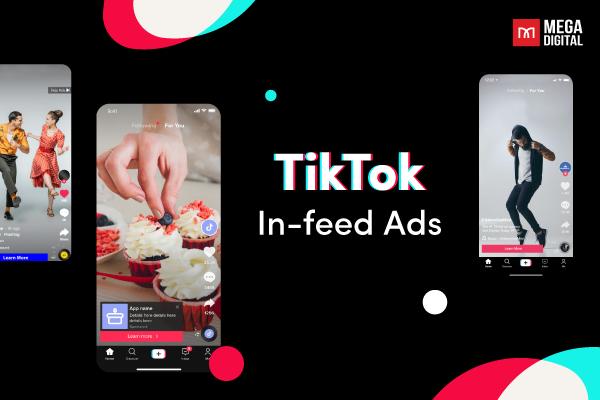
- In-Feed Ads: Seamlessly integrated into user-feeds, these ads mimic organic content.
- Branded Hashtag Challenges: Encouraging user participation fosters community and virality.
- TopView Ads: Capturing immediate attention by appearing as the first thing users see when opening the app.
In contrast, Facebook provides a more diverse array of ad formats catering to a broader demographic. Some of the notable formats are:
- Carousel Ads: Allow multiple images or videos in a single ad, enhancing storytelling.
- Collection Ads: Combine videos, images, and products for an immersive experience.
- Lead Ads: Streamlined forms for easy data collection right within Facebook.
To illustrate the core differences in effectiveness across platforms, consider the following comparative table:
| Aspect | TikTok | |
|---|---|---|
| Target Demographic | 18-24 Years | 25-54 Years |
| Engagement Level | High (due to interactive content) | Moderate (focused on sharing and discussion) |
| Ad Recall | Strong (dynamic visuals) | Variable (depends on ad clutter) |
Maximizing Return on Investment: Strategies for Success on Each Platform
To truly maximize return on investment when leveraging TikTok and Facebook ads, marketers must adopt tailored strategies that align with the unique characteristics of each platform. TikTok, with its dynamic and playful environment, thrives on authentic content that encourages user participation. Marketers can capitalize on this by creating short, engaging videos that resonate with trending topics or challenges within the community. Conversely, Facebook’s user base appreciates a more traditional approach, enabling the use of long-form content, detailed targeting options, and a variety of ad formats such as carousel ads or stories. Finding the right balance between creative storytelling and precise targeting is critical for achieving optimal ad performance across both platforms.
Consider utilizing platform-specific metrics to guide your campaigns effectively. For example, on TikTok, focus on engagement rates, such as likes, shares, and comments, to gauge content success, while on Facebook, prioritize click-through rates (CTR) and conversion metrics to understand user actions post-ad interaction. Below is a simple comparison of key performance indicators for each platform:
| Performance Indicator | TikTok | |
|---|---|---|
| Target Audience Reach | Generational focus (Gen Z, Millennials) | Diverse age groups |
| Content Format | Short-form, creative videos | Images, videos, long-form posts |
| Interaction Type | Engagement through trends and challenges | Comments, likes, clicks |
By incorporating these strategies and keeping a close eye on performance indicators, marketers can effectively navigate the distinct landscapes of TikTok and Facebook, ultimately enhancing their return on investment across both channels.
To Wrap It Up
the choice between TikTok and Facebook ads ultimately hinges on a brand’s specific objectives, target audience, and creative strategy. TikTok offers a dynamic, immersive platform that thrives on viral content and engagement, making it particularly effective for brands aiming to reach younger, trend-savvy consumers. Its unique ad formats, such as TikTok challenges and branded effects, foster genuine interactions and community involvement.
Conversely, Facebook ads bring the advantage of extensive targeting options and a well-established user base. The platform excels in driving conversions and nurturing customer relationships through detailed analytics and retargeting capabilities. While Facebook’s ad ecosystem is robust and versatile, it may lack the energetic, organic engagement seen on TikTok.
Marketers must consider their goals—whether they seek immediate conversions or brand awareness—and align their advertising strategies accordingly. As social media landscapes continue to evolve, integrating both platforms in a diverse marketing approach may yield the most substantial results. By leveraging the unique strengths of TikTok and Facebook, brands can enhance their advertising effectiveness and connect with their audiences in meaningful ways.