
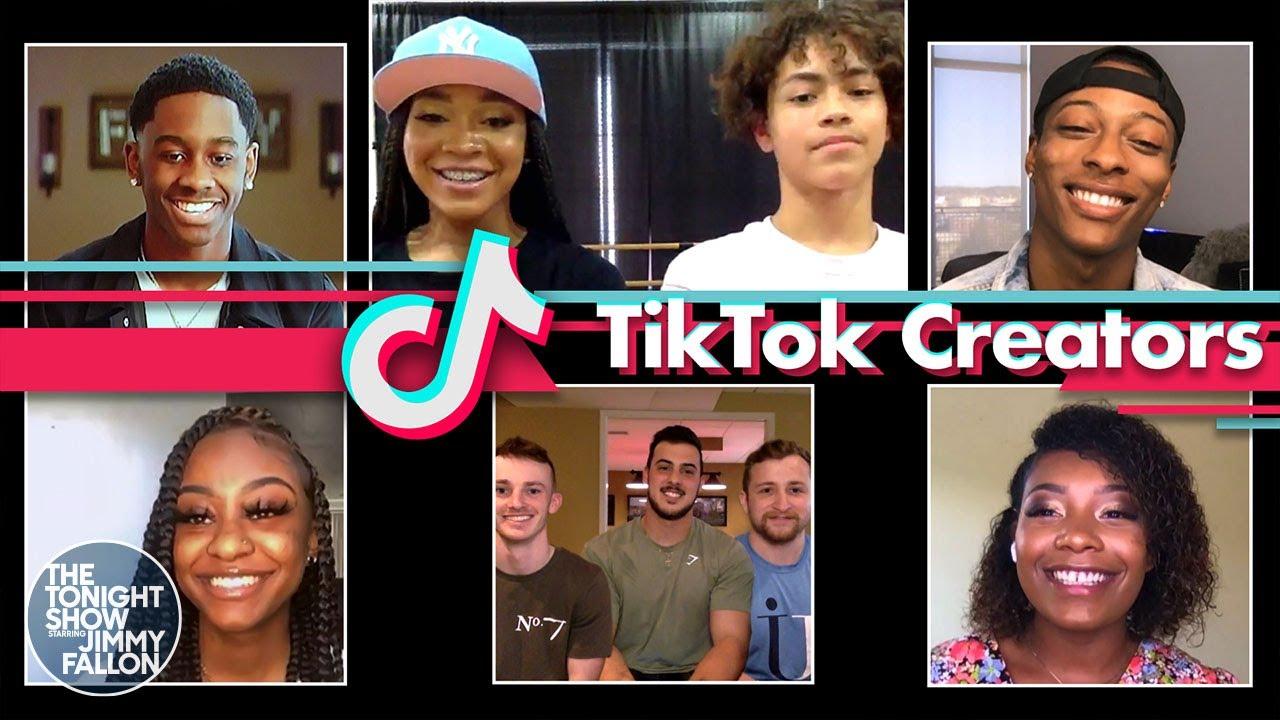
In an era where technology revolutionizes our daily existence, a new wave of educational innovation is emerging from an unexpected source: TikTok. This social media platform, known primarily for its catchy dances and viral challenges, is rapidly becoming a powerful educational tool, thanks to the creativity and influence of its diverse community of content creators. With millions of users engaging with bite-sized videos, TikTok is reshaping how information is shared, learned, and interacted with across the globe. As educators and students alike navigate this digital landscape, the role of TikTok creators in fostering a new generation of learning is increasingly significant. In this article, we will explore the transformative impact of TikTok on education, examining how these creators are not only making learning more accessible but also engaging and relevant to today’s youth. Through their innovative approaches and unique teaching styles, TikTok influencers are helping to bridge the gap between traditional educational methods and the ever-evolving demands of a digital world. Join us as we delve into the intersection of social media and education, uncovering the ways in which TikTok is not just a platform for entertainment, but a catalyst for change in the realm of learning.
Table of Contents
- Engaging Generation Z: The Power of TikTok in Educational Content Delivery
- Creativity Unleashed: How TikTok Creators Foster Innovative Learning Approaches
- Building Community: The Role of TikTok in Collaborative Learning Environments
- From Trends to Tutorials: Best Practices for Educators to Leverage TikTok for Learning
- To Conclude
Engaging Generation Z: The Power of TikTok in Educational Content Delivery
The rise of TikTok as a platform for educational content is not merely a trend; it is a revolution in how students consume information. With its short-form video format, TikTok allows creators to distill complex subjects into bite-sized, engaging clips that capture the attention of young learners. This approach transforms traditional educational methods by breaking down barriers between formal learning and informal, everyday engagement. Here are some key attributes that contribute to the effectiveness of TikTok in education:
- Relatability: Creators often share personal experiences and relatable anecdotes, making learning feel accessible.
- Visual Appeal: Utilizing vibrant visuals and catchy audio enhances retention and understanding of the material.
- Interactive Elements: Features like challenges and duets encourage participation and collaboration among viewers.
With a diverse array of topics represented on the platform, TikTok caters to various interests, making it a rich ecosystem for educational content. Educators and learners alike can explore subjects ranging from science to history in novel ways, fostering curiosity and engagement. The following table illustrates popular educational niches on TikTok and their unique contributions:
| Niche | Key Contribution |
|---|---|
| Science | Engaging experiments and demonstrations that spark interest. |
| Math | Quick tips and tricks to simplify complex concepts. |
| History | Storytelling approaches that bring historical events to life. |
| Language Learning | Interactive vocabulary games and pronunciation challenges. |
Creativity Unleashed: How TikTok Creators Foster Innovative Learning Approaches
In the vibrant world of TikTok, creators are turning traditional educational paradigms on their heads, introducing inventive methods that resonate with a diverse audience. By utilizing short, engaging videos, they craft lessons that are not only easier to digest but also visually captivating. This dynamic platform encourages experimentation and collaboration, allowing educators and students alike to explore topics in a fun, relatable manner. The result is a newfound enthusiasm for learning, with content that often includes:
- Interactive Challenges: Encouraging participation and hands-on exploration.
- Visual Storytelling: Combining education with art to enhance comprehension.
- Real-World Applications: Contextualizing lessons to make them relevant to everyday life.
Furthermore, TikTok creators foster a sense of community among learners by promoting group discussions and peer feedback on various topics. This allows for a richer, more collaborative educational experience, breaking down barriers that often exist in traditional classrooms. Below is a snapshot of how these creators promote innovative engagement:
| Engagement Strategy | Impact on Learning |
|---|---|
| Duets and Collaborations | Encourages peer-to-peer learning. |
| Quick Tips and Hacks | Enhances retention of complex concepts. |
| Funny Challenges | Reduces anxiety around difficult subjects. |
Building Community: The Role of TikTok in Collaborative Learning Environments
TikTok has emerged as a powerful platform for fostering collaborative learning environments, where users come together to share knowledge and skills in creative ways. Through short videos, creators from diverse backgrounds interact, exchange ideas, and ignite discussions, often leading to collaborative projects that reach audiences far beyond traditional classroom walls. This dynamic platform breaks down the barriers of geography and accessibility, enabling learners to participate in enriching experiences as they explore various subjects through innovative formats.
In these digital learning communities, anyone can contribute, regardless of their expertise level. The features of TikTok promote active engagement and peer-to-peer learning, allowing users to:
- Create Challenges: Encourage participation through fun and educational challenges that motivate learners.
- Share Insights: Post bite-sized lessons and tips, making complex topics more digestible.
- Foster Collaboration: Inspire teamwork by prompting users to build on each other’s ideas.
As a result, TikTok not only serves as an entertainment platform but also as a versatile tool for collaborative learning that nurtures creativity and critical thinking.
From Trends to Tutorials: Best Practices for Educators to Leverage TikTok for Learning
To harness the educational potential of TikTok, educators must embrace innovative methods to create engaging learning experiences. One of the most effective strategies is to collaborate with TikTok creators who specialize in educational content. By integrating these short, captivating videos into lesson plans, teachers can present complex concepts in a relatable and entertaining format. This approach not only caters to the digital-native generation but also enhances information retention through visual storytelling.
Moreover, educators can encourage students to create their own TikTok videos as a form of assessment. This practice promotes creativity, critical thinking, and digital literacy, allowing students to showcase their understanding of subjects in a modern context. To support this initiative, educators should consider the following best practices:
- Establish clear guidelines on content creation and classroom expectations.
- Foster a positive feedback environment to build students’ confidence.
- Incorporate relevant hashtags to connect with broader educational content.
By leveraging these trends, teachers can transform traditional learning paradigms and make education a more interactive and enjoyable experience.
To Conclude
In an era defined by rapid technological advancement, the fusion of entertainment and education has found an unexpected ally in TikTok creators. As we stand at the intersection of social media and learning, it is clear that these dynamic voices are reshaping the educational landscape. By blending creativity with knowledge, TikTok creators are not only making subjects more accessible but also igniting curiosity among learners of all ages.
As educators, parents, and students navigate this evolving terrain, embracing the innovative methodologies inspired by these platforms could prove transformative. By harnessing the power of bite-sized content and engaging storytelling, we can redefine what it means to learn in the 21st century. As we look to the future, one thing is certain: the influence of TikTok in education is just beginning, and its potential to inspire and connect learners worldwide is boundless. In this ongoing transformation of learning, the question is no longer whether we should adapt to these changes, but rather how we can harness them to cultivate a richer, more inclusive educational experience for all.