
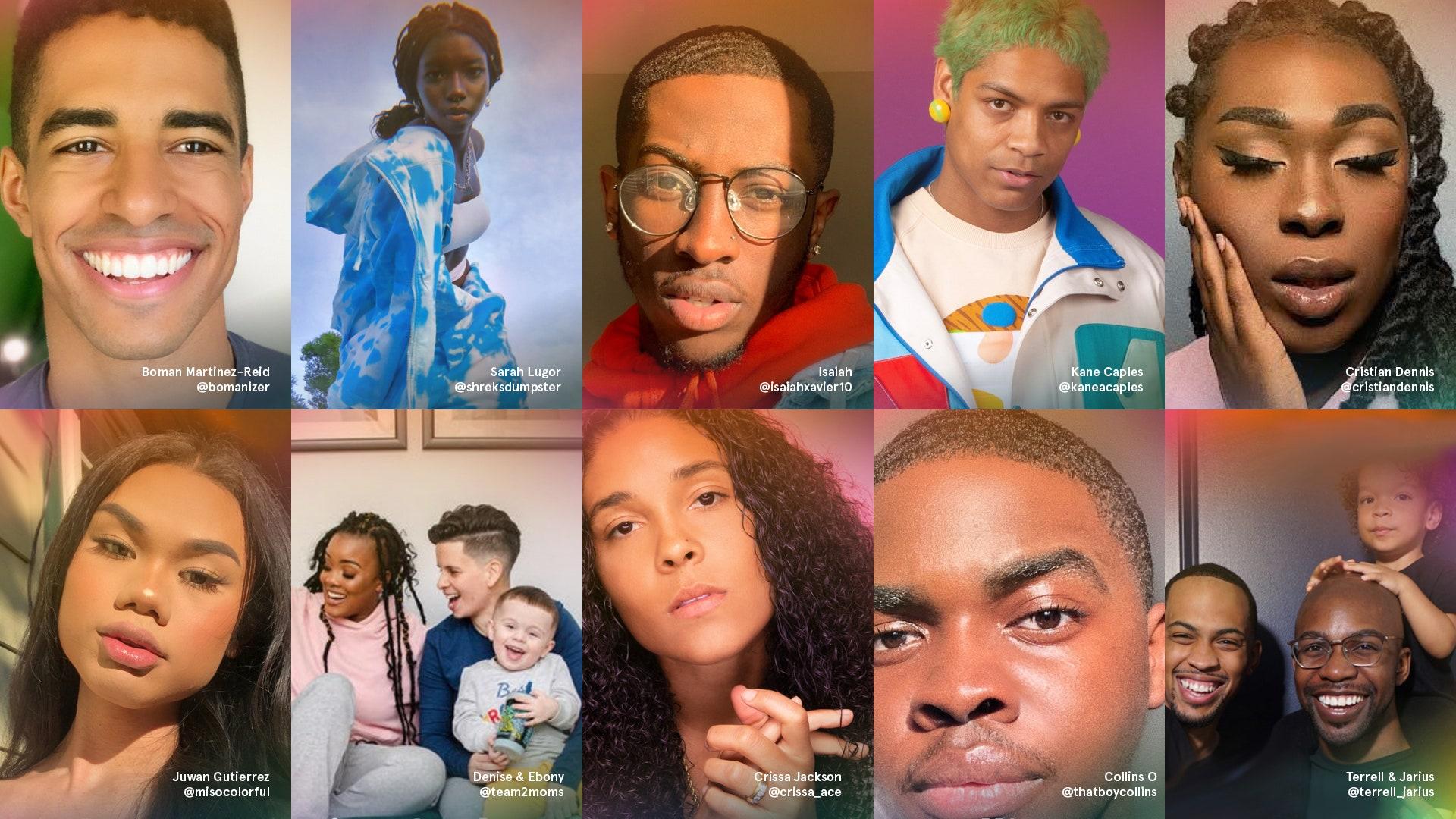
In recent years, TikTok has emerged as a significant platform for creative expression and social connectivity, shaping not only entertainment trends but also the discourse surrounding social change. As millions of users engage with short-form video content, a new cohort of influencers has risen to prominence—TikTok creators who leverage their platforms to advocate for various social causes. This article seeks to critically examine the extent to which these creators impact social change initiatives, analyzing the methods they employ, the audiences they engage, and the tangible outcomes of their activism. By exploring cases where TikTok has served as a catalyst for awareness, mobilization, and community building, we aim to understand the unique dynamics of digital activism in this vibrant and rapidly evolving landscape. Through a multidisciplinary lens, this research will contribute to the broader conversation about the intersection of social media, influence, and societal transformation, highlighting both the potential and limitations of TikTok as a tool for advocacy in contemporary social movements.
Table of Contents
- Understanding the Mechanisms of TikToks Viral Content and Its Role in Social Change
- Evaluating the Impact of TikTok Creators on Public Awareness and Engagement in Social Initiatives
- Analyzing the Demographic Reach of TikTok and Its Implications for Advocacy Campaigns
- Strategic Recommendations for Leveraging TikTok Creators in Future Social Change Efforts
- Concluding Remarks
Understanding the Mechanisms of TikToks Viral Content and Its Role in Social Change
The mechanisms behind TikTok’s viral content often stem from its unique algorithm that prioritizes engagement, creativity, and relatability. When users interact with a video—through likes, shares, or comments—TikTok’s algorithm further amplifies that content, making it more visible to a broader audience. Additionally, the short video format encourages quick consumption, which can lead to rapid dissemination of ideas and trends. Some key elements that contribute to this viral nature include:
- Trends and Challenges: The rapid rise of specific challenges or trends encourages creator participation, generating a sense of community and collective action.
- Emotional Resonance: Content that evokes strong emotions, whether humor, empathy, or outrage, tends to be shared more widely.
- Collaborative Nature: Duets and stitches allow for interactions between users, fostering a sense of collaboration that can amplify messages related to social change.
TikTok creators harness these mechanisms effectively, utilizing their platforms to advocate for various social justice issues and initiatives. For example, the power of storytelling through a personal lens can humanize abstract issues, making them more relatable and urgent. This strategy encourages viewers to engage with topics they’d otherwise overlook. The following table summarizes how different types of content can affect social awareness:
| Content Type | Impact on Social Change |
|---|---|
| Personal Stories | Raises awareness by sharing real-life experiences and challenges. |
| Educational Segments | Informs audiences on key issues and encourages informed discussion. |
| Humorous Takes | Engages viewers while addressing serious topics in a light-hearted manner. |
Evaluating the Impact of TikTok Creators on Public Awareness and Engagement in Social Initiatives
The rise of TikTok creators as influential figures in the realm of social initiatives offers a compelling case study on modern digital activism. By leveraging their vast platforms, these creators are able to distill complex social issues into easily digestible and engaging content. This unique approach not only broadens the audience’s awareness but also fosters a sense of community engagement that traditional media often struggles to achieve. Factors contributing to their impact include:
- Authenticity: Creators often share personal stories that resonate with their followers, encouraging empathy and understanding.
- Virality: The potential for rapid content sharing amplifies messages, reaching audiences well beyond the creator’s immediate follower base.
- Trends and Challenges: The incorporation of social initiatives into trending formats encourages participation and awareness among a younger demographic.
To further analyze the effectiveness of TikTok creators, consider the following table which outlines various social initiatives and their engagement metrics across the platform:
| Social Initiative | Creator Engagement (Likes) | Impact Assessment (Comments) |
|---|---|---|
| Climate Change Awareness | 1.2M | 350 |
| Mental Health Advocacy | 850K | 420 |
| Promoting Diversity & Inclusion | 930K | 500 |
These statistics illustrate how TikTok creators not only capture attention but also galvanize their audience into active participation, fostering dialogue and igniting interest in pressing societal issues. The confluence of entertainment and activism on platforms like TikTok signifies a shift in how social initiatives are communicated and perceived, making these creators crucial players in the landscape of social change.
Analyzing the Demographic Reach of TikTok and Its Implications for Advocacy Campaigns
Understanding the demographic composition of TikTok users is essential for organizations aiming to leverage the platform for advocacy campaigns. The app has rapidly gained popularity, particularly among younger audiences, with a significant portion of its users falling between the ages of 16 and 24. This demographic is not only tech-savvy but also increasingly attuned to social issues such as climate change, racial justice, and mental health. As a result, TikTok serves as an effective platform for advocacy campaigns aimed at this age group, where creators can fuse entertainment with meaningful messages. Key demographics of TikTok’s user base include:
- Generation Z (16-24 years old): Comprise about 60% of users.
- Millennials (25-34 years old): Make up roughly 22% of the audience.
- Gender Distribution: Approximately 60% female and 40% male.
This unique demographic landscape highlights significant implications for advocacy campaigns. With younger consumers increasingly seeking authenticity and engagement from brands and organizations, TikTok influencers have potential to amplify social initiatives and foster community involvement. By harnessing the creativity of content creators, advocacy groups can effectively disseminate their messages, stimulate conversations, and mobilize support online. The table below summarizes the potential impacts of TikTok’s user demographics on advocacy campaigns:
| Impact | Description |
|---|---|
| Engagement | High interaction rates with short, impactful content. |
| Virality | Potential for rapid dissemination of messages through trends. |
| Community Building | Encouragement of conversations and grassroots movements. |
Strategic Recommendations for Leveraging TikTok Creators in Future Social Change Efforts
To harness the collective power of TikTok creators for promoting social change, organizations should establish authentic partnerships with influencers who align with their core values. By selecting creators who are not only popular but also genuinely committed to the causes, brands can ensure their messages resonate deeply with audiences. Consider these strategies for effective collaboration:
- Engage with micro-influencers: These creators often possess a more engaged community, offering authentic connections that can amplify messages.
- Co-create content: Collaborative efforts in content creation can lead to innovative and engaging material that more effectively communicates the desired message.
- Utilize data-driven targeting: Analyzing audience demographics and engagement metrics on TikTok can guide the selection of the most impactful creators for specific initiatives.
Moreover, it is crucial to foster ongoing dialogue and provide creators with the resources they need to inform and educate their followers. By empowering creators to become knowledgeable advocates, initiatives can spark meaningful conversations and mobilize support. Key elements to include in support strategies might be:
| Resource Type | Description |
|---|---|
| Informative Toolkits | Provide actionable resources and facts around the cause to help creators effectively communicate. |
| Exclusive Events | Invite creators to participate in or lead virtual events that shine a light on the issue. |
| Creative Freedom | Allow creators to tailor messages in their unique style for authentic engagement. |
Concluding Remarks
the examination of TikTok creators and their influence on social change initiatives underscores the platform’s emerging role as a significant agent of societal transformation. As we have explored throughout this article, TikTok serves not only as a space for entertainment but also as a powerful medium for advocacy, awareness, and mobilization. The unique format of short, engaging videos allows creators to distill complex issues into relatable narratives, thereby fostering a greater understanding among diverse audiences.
Moreover, the data reveals that successful TikTok campaigns often harness the collective power of community engagement, emphasizing the importance of collaboration among creators and their followers. This participatory nature enables grassroots movements to flourish, amplifying voices that might otherwise remain unheard in traditional media spheres.
As we move forward, it is imperative for researchers, policymakers, and social advocates to consider the potential of TikTok as a transformative tool. By understanding the dynamics at play within this digital ecosystem, stakeholders can better navigate the challenges and opportunities it presents for promoting social change. Continued analysis of the implications of TikTok’s influence will not only enrich our understanding of contemporary activism but also assist in developing more effective strategies to leverage social media for the greater good in the ever-evolving landscape of digital interaction.
Ultimately, as platforms like TikTok continue to evolve, the cultivation of a conscientious and informed creator community will be vital in ensuring that the potential for social change is harnessed effectively and ethically. The collaboration between creators, their audiences, and advocacy organizations will serve as a cornerstone for future initiatives aimed at fostering a more equitable and compassionate society.