
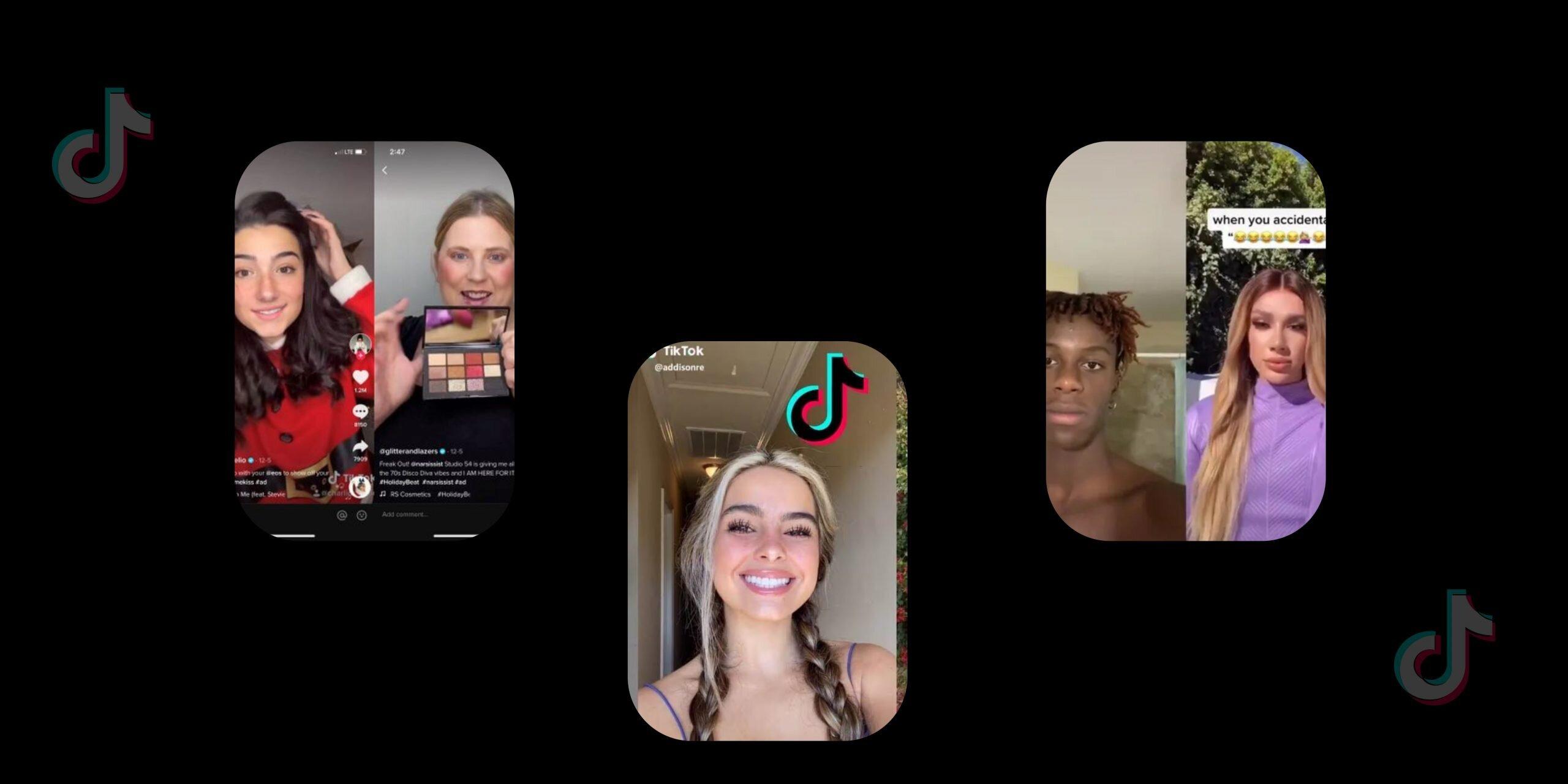
In an era where social media platforms increasingly shape public discourse, TikTok has emerged as a powerful player in the political landscape, transforming how dialogue is conducted and consumed. With its short-form videos and algorithm-driven content delivery, TikTok provides a unique platform for influencers to engage audiences in conversations that were once predominantly confined to traditional media. As a new generation of creators leverages the platform’s reach and creativity, they are not only sharing their political perspectives but also encouraging activism and fostering a sense of community among users. This article explores how TikTok influencers are redefining political dialogue, examining their impact on public opinion, voter engagement, and the broader implications for democratic discourse in the digital age. Through the lens of viral trends, creative storytelling, and grassroots mobilization, we delve into the powerful intersection of social media and politics that is paving the way for a more engaged and informed citizenry.
Table of Contents
- The Rise of TikTok as a Platform for Political Engagement
- Understanding the Unique Language and Style of TikTok Influencers
- Strategies for Effective Political Messaging on Social Media
- Challenges and Ethical Considerations in TikTok Political Activism
- Future Outlook
The Rise of TikTok as a Platform for Political Engagement
The emergence of TikTok as a dominant social media platform has transformed the landscape of political engagement, particularly among younger audiences. Users are increasingly turning to short, engaging video content to express their political views, mobilize support, and inform peers about critical issues. TikTok influencers, endowed with substantial reach and the ability to create viral content, are leading this charge, actively participating in discussions around topics like climate change, voting rights, and social justice. Their innovative approach to content creation includes:
- Humor: Employing comedy to address serious issues, making them more relatable.
- Storytelling: Sharing personal narratives that resonate with viewers, fostering empathy and understanding.
- Challenges and Trends: Utilizing popular trends to promote political messages, effectively capturing attention.
As TikTok continues to grow, a unique interplay between entertainment and activism emerges, allowing even those previously disengaged from politics to participate in meaningful dialogue. In this dynamic environment, influencers are not just passive vessels for information but active participants in shaping public opinion. A quick glance at recent popular TikTok campaigns reveals their impact, as illustrated in the table below:
| Campaign Name | Topic | Engagement (Likes) |
|---|---|---|
| Vote Challenge | Voter Registration | 1.5M |
| Eco Warriors | Climate Awareness | 900K |
| Health Squad | Mental Health | 600K |
Understanding the Unique Language and Style of TikTok Influencers
The language and style used by TikTok influencers are not merely artistic choices; they are strategic tools designed to foster engagement and cultivate a community around political discourse. Through the use of concise language, memes, and vibrant visuals, influencers encapsulate complex political concepts into bite-sized, easily digestible formats. This approach allows them to connect with younger audiences who often prefer fast-paced content. Some common elements include:
- Slang and informal language: Adopting everyday speech to enhance relatability.
- Hashtags and challenges: Leveraging viral trends to push political messages.
- Humor: Using satire and wit to make serious topics approachable.
Furthermore, influencers often utilize storytelling techniques that weave personal narratives into their political commentary, making the content more impactful. This combination of elements fosters a sense of authenticity and trust, key factors that draw audiences into engaging with political issues. To illustrate the evolution in political expression on TikTok, the following table highlights influential content creators and their unique approaches:
| Influencer | Approach | Impact |
|---|---|---|
| @itsjojosiwa | Using dance trends to raise awareness about voting. | Engaged millions of young voters in the last election. |
| @dylanmulvaney | Creating humorous skits around social justice issues. | Generated dialogue on LGBTQ+ rights among teens. |
| @theofficialqween | Live Q&A sessions addressing misinformation. | Empowered youth to be informed citizens. |
Strategies for Effective Political Messaging on Social Media
To navigate the complex landscape of political discourse on social media, particularly on platforms like TikTok, influencers and political figures must embrace several key strategies. First and foremost, authenticity is essential; users gravitate toward content that feels real and relatable. Engaging narratives often outperform meticulously curated posts, granting influencers the space to express personal stories connected to political themes. It’s important to leverage trending challenges
Challenges and Ethical Considerations in TikTok Political Activism
While TikTok influencers have become pivotal in shaping political discourse, their activism also raises significant challenges and ethical dilemmas. Misinformation poses a considerable threat, as the platform’s rapid dissemination of content can lead to the spread of unverified claims and misleading narratives. The algorithms favor engaging and often sensationalized content, which can skew public perception and polarization. Furthermore, the line between entertainment and serious political commentary becomes blurred, raising the question of whether critical issues are being trivialized for likes and shares.
In addition to misinformation, issues of authenticity and accountability emerge in the realm of TikTok political activism. Content creators may be motivated by personal gain rather than a genuine commitment to social causes, leading to potential exploitation of sensitive topics. This commodification of activism can dilute the impact of essential movements. Moreover, the demographic of TikTok users, predominantly younger audiences, raises concerns regarding the representation of diverse voices. Navigating these ethical waters requires influencers to uphold a sense of responsibility towards their followers, ensuring that their activism promotes informed dialogue rather than mere virality.
Future Outlook
As TikTok continues to evolve as a platform for creative expression and social interaction, its influence on political dialogue cannot be understated. The rise of TikTok influencers has transformed traditional communication pathways, allowing for more dynamic, relatable, and engaging discussions surrounding political issues. By leveraging their vast reach and unique storytelling abilities, these influencers are not only drawing younger audiences into critical conversations but are also fostering an environment where diverse perspectives can coexist and thrive.
The implications of this shift are profound. As influencers challenge conventional narratives and push for greater civic engagement, they are redefining what it means to be politically active in the digital age. The integration of humor, creativity, and personal storytelling in political discourse offers a powerful counter-narrative to conventional media, paving the way for a more informed and involved populace.
as we continue to witness the interplay between social media and politics, it will be essential for both influencers and audiences alike to navigate this landscape thoughtfully. The responsibility that comes with such influence is significant, and understanding its impact on political dialogue will be crucial for shaping the future of democratic engagement. As the conversation unfolds, the role of TikTok in political discourse will likely remain a hotbed of innovation and debate, with the potential to inspire real change in the way society engages with politics.