
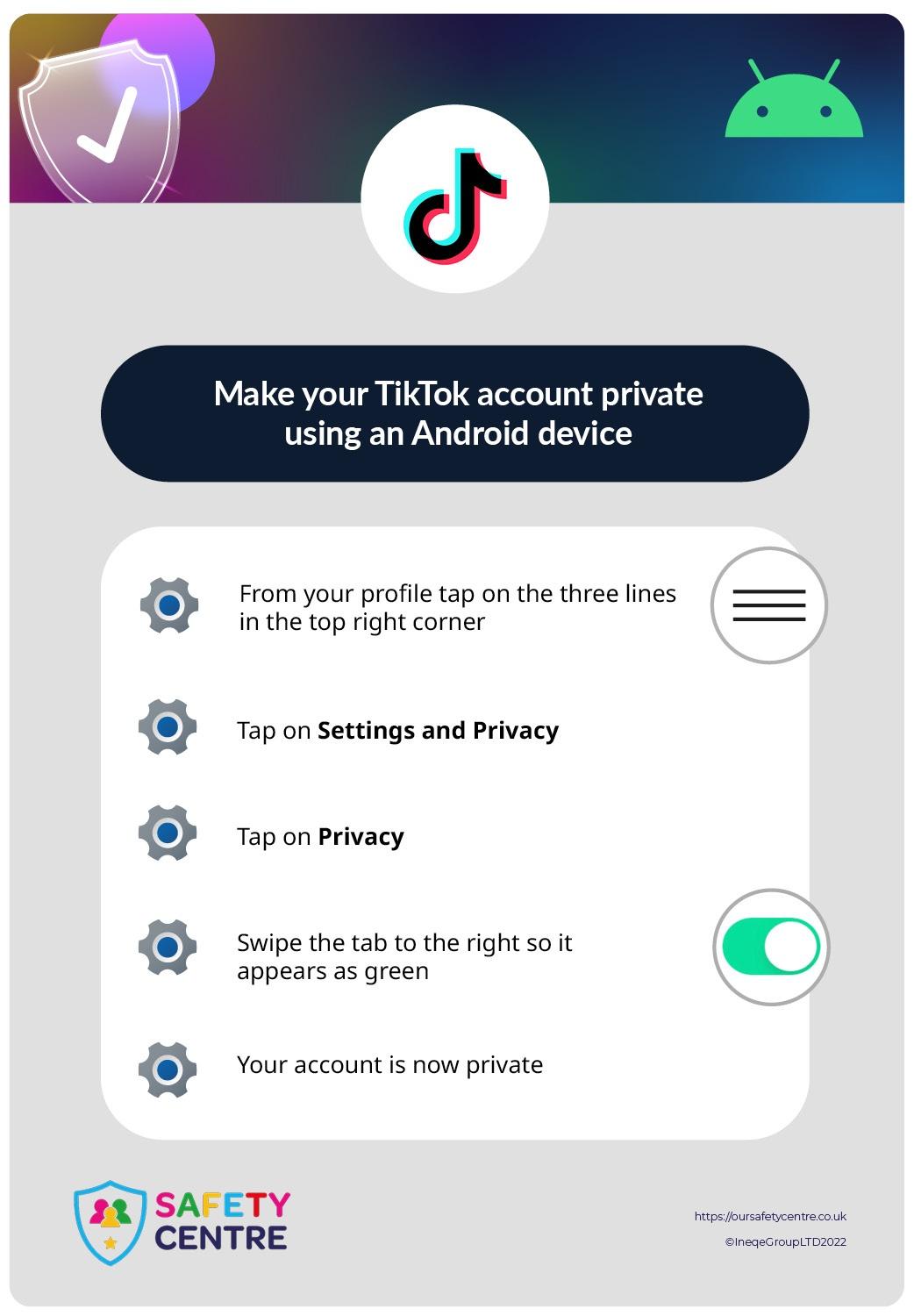
In an era where digital engagement is ubiquitous, TikTok has emerged as one of the most popular social media platforms, captivating millions with its short-form videos and vibrant creativity. However, amidst the fun and connectivity, there lies a pressing concern: the privacy risks associated with sharing personal information on this dynamic platform. As users create and share content, the lines between personal expression and privacy can easily blur, raising questions about data security, online safety, and the long-term implications of what we choose to reveal. In this article, we will explore the potential privacy pitfalls of using TikTok, offering insights and strategies for users to safeguard their personal information while enjoying the platform’s unique offerings. Whether you’re a casual user or a devoted content creator, understanding these risks is essential to navigating TikTok in a safe and informed manner.
Table of Contents
- Understanding TikTok’s Data Collection Practices
- Evaluating the Impact of Public Profiles on Privacy
- Best Practices for Safeguarding Personal Information
- Recognizing and Reporting Privacy Violations on Social Media
- To Wrap It Up
Understanding TikTok’s Data Collection Practices
TikTok, like many social media platforms, employs a range of data collection practices that can significantly impact users’ privacy. When you create an account, the app gathers personal information such as your name, email address, and phone number. But the data collection extends beyond mere account details. Users should be aware of the following types of data that TikTok collects:
- Device Information: This includes details about your device type, operating system, and mobile network.
- Usage Data: TikTok tracks how you interact with the app, including time spent on videos and your engagement metrics.
- Content Preferences: The platform analyzes your likes, shares, and comments to tailor your feed.
- Location Data: Geolocation features may be enabled, allowing TikTok to track your whereabouts.
Furthermore, TikTok’s algorithm utilizes this data to create a personalized user experience, but this can lead to concerns about targeted advertising and the sharing of sensitive information with third parties. It’s also crucial to note that data collected can be subject to breaches or misuse. Understanding TikTok’s data practices necessitates vigilance: users should regularly review their privacy settings and consider the implications of sharing personal content. The following table summarizes key data aspects of TikTok:
| Data Type | Potential Risks |
|---|---|
| Personal Information | Identity theft or misuse |
| Location Data | Stalking or unwanted attention |
| Usage Data | Targeted marketing and manipulation |
Evaluating the Impact of Public Profiles on Privacy
The rise of platforms like TikTok has transformed the way individuals interact and present themselves online, but this newfound visibility comes with significant privacy implications. Public profiles on social media can expose personal information to a vast audience, including potential employers, strangers, and even malicious actors. Users often share details such as locations, interests, and personal anecdotes, which can inadvertently reveal more about their identities than intended. This raises critical questions about how much privacy users are willing to sacrifice for the sake of engagement and social connection.
To better understand the balance between social engagement and personal safety, consider the following factors that can influence privacy when using public profiles:
- Visibility: Every post shared can be viewed, shared, and commented on by anyone, making it imperative to think critically about the content uploaded.
- Data Harvesting: Public profiles allow companies to collect user data for marketing purposes, which can lead to targeted advertising and potential breaches of privacy.
- Content Permanence: Once shared, content can persist online indefinitely, affecting a user’s digital footprint long after the original post is deleted.
Moreover, it is crucial for users to comprehend the privacy settings available to them. Understanding whether their profiles are truly public or if they have customized their audience can significantly determine their exposure risks. The following table summarizes key considerations:
| Consideration | Description |
|---|---|
| Profile Type | Public vs. Private – Assess the audience reaching your content. |
| Location Sharing | Disable GPS tagging to avoid revealing your whereabouts. |
| Audience Interaction | Control comment settings to limit unwanted engagement. |
Best Practices for Safeguarding Personal Information
In the digital age, protecting personal information while navigating social platforms like TikTok is crucial. To minimize privacy risks, users should consistently employ robust security measures. Enable two-factor authentication on your TikTok account to add an extra layer of security, and regularly update your password to something strong and unique. Additionally, consider limiting the amount of personal information you share in your bio or content; avoid disclosing your full name, address, and phone number, which could be exploited by malicious parties. Remember to review your privacy settings frequently, adjusting them to restrict who can see your content and interact with you.
Educating yourself about the platform’s policies and tools can significantly boost your privacy assurance. Make a habit of checking for the latest updates concerning security features and privacy settings. Engaging with TikTok’s privacy resources can provide insights on how to manage your data. Below is a simple table summarizing essential practices for protecting your information:
| Practice | Description |
|---|---|
| Two-Factor Authentication | Enhances account security through an additional verification step. |
| Limit Sharing Personal Info | Reduce exposure by not sharing sensitive data publicly. |
| Review Privacy Settings | Regularly check and customize who can view and engage with your profile. |
| Educate Yourself | Stay updated on TikTok’s policies and utilize their resources. |
Recognizing and Reporting Privacy Violations on Social Media
In the age of social media, it’s crucial to stay vigilant about privacy violations, especially on platforms like TikTok where personal information can easily be shared and misused. Recognizing these violations often begins with understanding what constitutes a breach of privacy. Look out for the following indicators:
- Unauthorized sharing: If your videos or personal content are shared without your consent.
- Location tagging: Be cautious with geotagged content exposing your whereabouts.
- Impersonation: Users creating fake profiles using your images or information.
- Phishing attempts: Suspicious messages asking for personal details or login information.
If you suspect that your privacy has been violated, it’s important to report the issue promptly. TikTok provides a user-friendly process for reporting violations. To file a report, navigate to the offending content and select the option to report it. It’s beneficial to document the issue with screenshots and detailed descriptions. Here’s a quick overview of the reporting process:
| Step | Description |
|---|---|
| 1 | Open the TikTok app and locate the content. |
| 2 | Click on the “Share” icon and select “Report.” |
| 3 | Choose the reason for reporting, such as “Privacy Violation.” |
| 4 | Submit the report and monitor the outcome. |
To Wrap It Up
As we wrap up our exploration of privacy risks associated with sharing personal information on TikTok, it’s clear that understanding the dynamics of this popular platform is crucial for safeguarding your digital footprint. While TikTok offers an innovative space for creativity and connection, it also heightens the importance of being cautious about what you share.
By staying informed about the tools and settings available to protect your data, you can enjoy the platform while minimizing risks. Remember, a few simple steps—like adjusting your privacy settings, being mindful of your content, and reviewing who can access your information—can go a long way in enhancing your security.
As TikTok continues to evolve, so too will the landscape of digital privacy. By staying updated and proactive, you can navigate the exciting world of social media without compromising your personal safety. Thank you for joining us in this crucial conversation about privacy in the digital age. Stay safe, stay savvy, and keep creating!