
In the rapidly evolving landscape of social media, content discovery has emerged as a pivotal factor in user engagement and platform efficacy. As two of the most influential players in this arena, TikTok and Instagram each offer unique approaches to content dissemination and audience interaction. TikTok, with its algorithm-driven feed and emphasis on short-form videos, has revolutionized how users discover and interact with content, fostering a highly dynamic and immersive experience. Conversely, Instagram, a platform with roots in photo-sharing, has adapted to the changing tides by integrating features such as Stories and Reels, enhancing its engagement potential. This article aims to systematically compare TikTok and Instagram in their methods of content discovery, evaluating their respective impacts on user engagement, creative expression, and audience retention. By analyzing the nuances of each platform, we seek to shed light on their strategic differences and implications for content creators and marketers alike in this digital age.
Table of Contents
- Understanding User Engagement Metrics on TikTok and Instagram
- Content Discovery Mechanisms: An In-Depth Look at Algorithms
- Audience Interaction: Comparative Analysis of Commenting and Sharing Behaviors
- Best Practices for Maximizing Engagement on Each Platform
- Key Takeaways
Understanding User Engagement Metrics on TikTok and Instagram
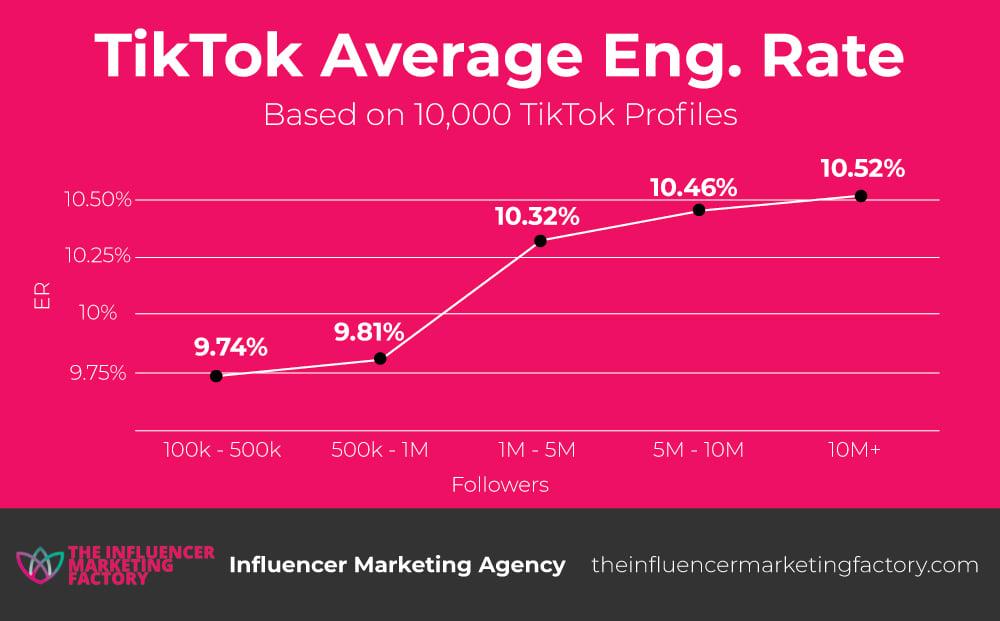
The metrics for gauging user engagement on TikTok and Instagram are fundamentally different, reflecting each platform’s unique approach to content discovery. TikTok thrives on its algorithm, which emphasizes virality and trends, often leading to higher engagement rates on videos that align with current challenges or themes. Key metrics here include:
- View Count: Total views a video receives, giving an indication of reach.
- Shares: The number of times a video is shared, which amplifies visibility.
- Comments: User interactions that indicate content relatability and emotional connection.
- Likes: Quick feedback on content quality, influencing potential for continued promotion.
On the other hand, Instagram, with its visually-driven feed and stories, fosters a unique ecosystem of engagement focused on interaction within communities. Engagement metrics on this platform typically include:
- Likes: Reflecting user appreciation and initial response to posts.
- Comments: More insightful than likes, signaling deeper engagement and conversations.
- Saves: Indicating that users find content valuable enough to revisit.
- Shares: How often content is sent to others or added to stories.
To sum up the comparative aspects of user engagement metrics, the following table provides a quick overview:
| Metric | TikTok | |
|---|---|---|
| View Count | Key indicator of reach | N/A |
| Likes | Quick feedback | Valuable initial response |
| Comments | Relatability measure | Deep interaction |
| Shares | Amplifies content | Community interaction |
| Saves | N/A | Indicates value for revisit |
Content Discovery Mechanisms: An In-Depth Look at Algorithms
The algorithms that drive content discovery on platforms like TikTok and Instagram are fundamentally different, each optimized for unique user engagement strategies. TikTok employs a recommendation model based on user interactions, video information, and device/account settings. This means the more a user engages with content (likes, shares, comments), the more personalized their feed becomes. The platform’s trending sounds and hashtags further amplify visibility, allowing creators to reach a broader audience effortlessly. Instagram, on the other hand, relies heavily on social graphs, favoring content from users that followers already engage with, creating a more network-centric ecosystem. This emphasizes connection over discovery, as users are often encouraged to explore posts from accounts they already follow rather than new, unrelated content.
Both platforms leverage machine learning, but the impact on content visibility profoundly affects user engagement. For example, here’s a comparative snapshot of the primary factors influencing algorithms:
| Factors | TikTok | |
|---|---|---|
| User Engagement | Likes, shares, comments, watch time | Likes, comments, DMs |
| Content Discovery | For You Page | Explore Page |
| Creativity Emphasis | Video trends and challenges | Image aesthetics and feed curation |
This means that while TikTok’s algorithm is designed to surface content based solely on interaction metrics, Instagram’s promotes familiarity and connection, potentially stifling the reach of new creators who are not already embedded within users’ established networks. Understanding these differences is crucial for content creators aiming to harness each platform effectively, as they navigate the nuanced landscape of social media engagement.
Audience Interaction: Comparative Analysis of Commenting and Sharing Behaviors
In the realm of social media engagement, the dynamics of audience interaction reveal distinct preferences between TikTok and Instagram. Commenting behaviors on TikTok tend to foster a sense of community and immediacy, as users often share their reactions and thoughts in real-time. This platform’s video-centric format encourages users to dive into discussions about content, leading to a higher volume of comments per video. In contrast, Instagram’s focus on aesthetically pleasing images and curated content results in fewer, yet more thoughtful comments. Users often take a moment to craft responses that align with their personal brand, which can create a different kind of engagement quality, albeit with a lower frequency compared to TikTok’s rapid interactions.
When it comes to sharing behaviors, the two platforms showcase further divergence. TikTok users are more inclined to utilize the ‘share’ feature, promoting videos across various platforms due to the highly contagious and entertaining nature of the content. This virality results in exponential reach and interaction beyond TikTok’s ecosystem. Conversely, Instagram users tend to share content more selectively, often focusing on tighter-knit groups via direct messages or stories. This leads to a more curated approach to sharing, as individuals opt to distribute content that resonates deeply rather than simply chasing trends. Below, the table illustrates a side-by-side comparison of these engagement behaviors on each platform:
| Interaction Type | TikTok | |
|---|---|---|
| Comments | High volume, real-time | Thoughtful, curated |
| Shares | Viral, wide-reaching | Selective, personal |
Best Practices for Maximizing Engagement on Each Platform
When aiming to boost engagement on TikTok, leveraging trending sounds and visual effects can significantly enhance your content’s visibility. Utilizing the platform’s editing tools creatively helps in capturing attention quickly. Geo-specific hashtags can also attract local audiences, while participating in challenges can align your content with viral trends. Here are some specific strategies:
- Post consistently during peak hours to reach a broader audience.
- Engage with users through direct comments or duet features.
- Create content that encourages viewers to react, share or interact.
On the other hand, maximizing engagement on Instagram often revolves around the quality of your visuals and authentic interactions. Crafting captivating captions that encourage discussions can draw more comments and shares. Collaborating with influencers and utilizing their platforms can expose your brand to their followers. Below are effective strategies:
- Utilize Instagram Stories to create polls and Q&A sessions for real-time interaction.
- Incorporate user-generated content to build community and trust.
- Analyze Instagram Insights to tailor your content strategy based on audience behavior.
Key Takeaways
the comparison of content discovery on TikTok and Instagram reveals distinct strengths and weaknesses inherent to each platform. TikTok’s algorithm excels in promoting viral trends and enabling rapid content discovery, creating a dynamic environment where users are consistently exposed to fresh and diverse content. Its short-form video focus fosters high engagement rates, particularly among younger demographics eager for creativity and spontaneity.
Conversely, Instagram leverages its established visual aesthetic and comprehensive suite of features to maintain significant user engagement. The platform’s emphasis on curated profiles and Stories contributes to a more personal and intimate discovery experience. While its engagement strategies may cater to a different audience, they remain influential in the realm of brand marketing and user retention.
Ultimately, the choice between TikTok and Instagram for content discovery hinges on a brand’s target audience and marketing goals. By understanding the unique engagement metrics and user behaviors that characterize each platform, marketers can strategically navigate their content strategies to optimize visibility and connection within the ever-evolving digital landscape. As both platforms continue to innovate, staying informed on their developments will be crucial for any business aiming to maximize its social media presence.