
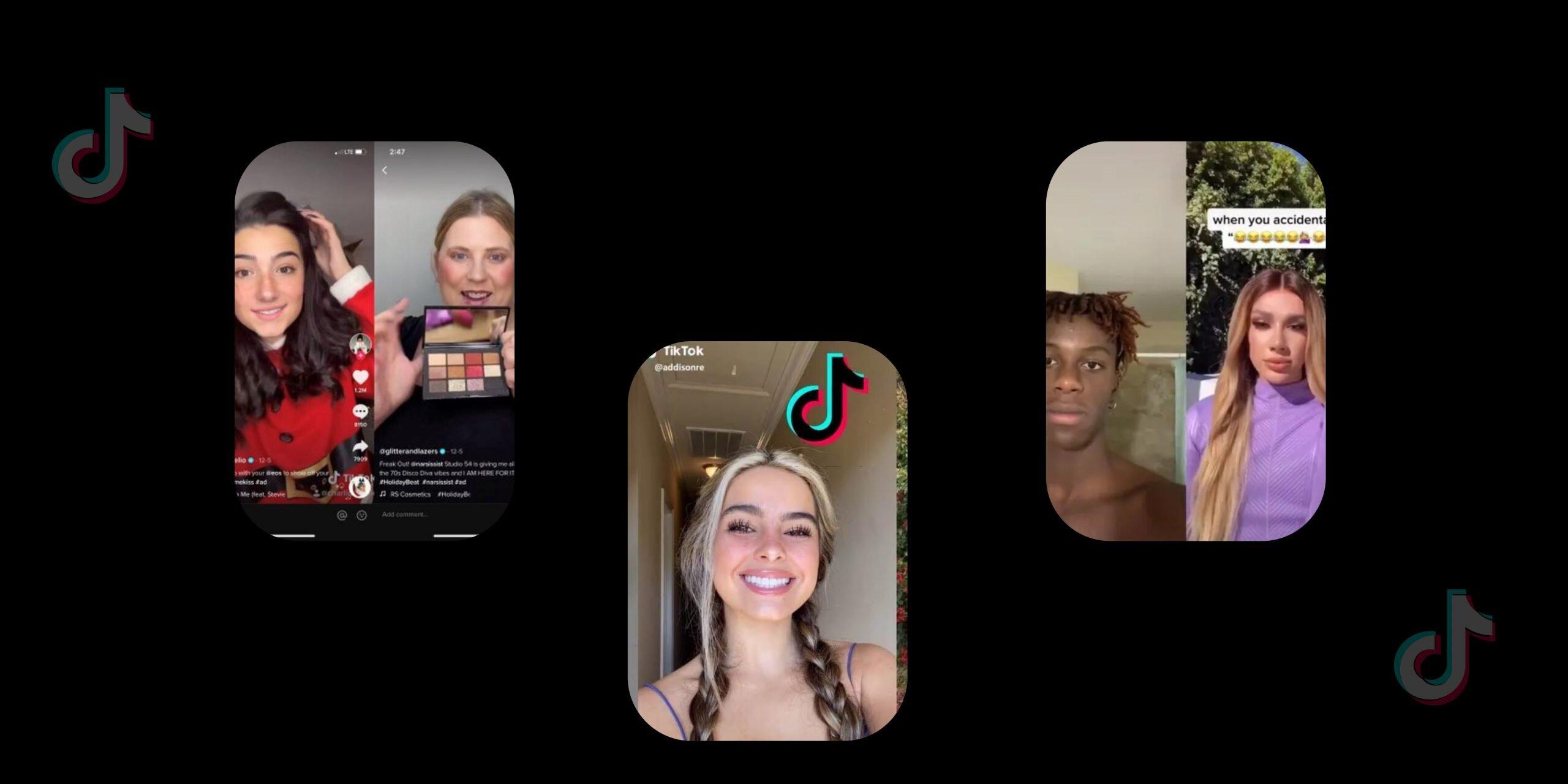
In the ever-evolving landscape of marketing, where traditional advertisements blend seamlessly into the digital realm, a new force has emerged: TikTok influencers. With their engaging videos and authentic connections to millions of followers, these content creators have transformed the way brands approach product launches. From trendy beauty items to innovative gadgets, the power of a well-timed TikTok campaign is undeniable. In this article, we will delve into the mechanisms by which TikTok influencers drive the unveiling of new products, exploring case studies, strategies, and the influence of viral trends. Join us as we uncover how this platform has become a modern marketing powerhouse, reshaping consumer behavior and setting the stage for the future of brand engagement.
Table of Contents
- Understanding the TikTok Ecosystem and Its Impact on Consumer Behavior
- Crafting Compelling Content: Strategies for Effective Influencer Collaborations
- Measuring Success: Key Metrics to Evaluate Product Launch Performance
- Building Authenticity: The Role of Trust in Influencer Marketing Campaigns
- In Summary
Understanding the TikTok Ecosystem and Its Impact on Consumer Behavior
The unique structure of TikTok has reshaped how consumers discover and engage with new products. Unlike traditional social media platforms, TikTok’s algorithm favors authenticity and creativity, allowing even lesser-known influencers to reach vast audiences. This democratization of content creation means that any user can potentially become a trendsetter, igniting viral challenges or catchy hashtag campaigns that propel products into the spotlight. Influencers play a pivotal role by crafting relatable and entertaining content that showcases products in a way that feels organic, leading to an increase in consumer interest and demand. Key characteristics of TikTok content that drive product launches include:
- Short-Form Videos: Captivating messaging in less than 60 seconds.
- Relatable Storytelling: Connecting with audiences through everyday scenarios.
- Engagement Features: Encouraging challenges, duets, and reactions.
As consumers increasingly turn to TikTok for recommendations and inspiration, the platform has become a critical marketing channel for brands. Companies leverage these influencers to craft tailored campaigns that resonate with target demographics, ultimately influencing purchase decisions. The rapid feedback loop inherent in TikTok’s ecosystem allows brands to gauge consumer reactions in real-time, enabling them to refine their strategies quickly. The following table illustrates the effectiveness of TikTok influencers in product launches:
| Influencer Type | Engagement Rate | Conversion Impact |
|---|---|---|
| Micro-Influencers | 10-15% | High |
| Mid-Tier Influencers | 5-10% | Moderate |
| Macro Influencers | 1-5% | Low |
Crafting Compelling Content: Strategies for Effective Influencer Collaborations
Building a successful influencer collaboration begins with understanding the unique strengths of each TikTok creator. Start by identifying influencers whose audience aligns with your brand ethos and product category. Engagement metrics such as likes, shares, and comments provide insight into how passionate their followers are. Instead of focusing solely on the number of followers, consider the authenticity and reach of their content. A smaller influencer with a highly engaged audience can often be more effective than a larger account with a passive following. Customizing your campaign based on the influencer’s style can amplify your brand message, creating a natural fit that resonates with their viewers.
Moreover, crafting guidelines that still allow influencers to maintain their creative freedom is crucial. This can be achieved through the use of broad themes rather than rigid scripts. Consider these key approaches:
- Establishing clear objectives while allowing flexibility in how they’re met
- Creating engaging challenges or contests related to your product
- Offering behind-the-scenes content that connects on an emotional level
Utilizing data analytics post-campaign can also inform future collaborations. Tracking performance metrics such as click-through rates and conversion rates provides insight into the effectiveness of the partnership and helps in planning subsequent strategies.
Measuring Success: Key Metrics to Evaluate Product Launch Performance
Measuring the impact of a product launch in the realm of TikTok influencers involves analyzing several key metrics that reflect both engagement and conversion rates. First and foremost, reach is a critical factor; it indicates how many unique viewers were exposed to the product through influencer content. Engagement rates, including likes, shares, and comments, provide insight into how audiences are reacting to the campaign. High engagement suggests that the product resonates with viewers, while low interaction could signal the need for adjustments in messaging or influencer selection. Another valuable metric is click-through rate (CTR), which tracks how many users clicked on links to the product page from influencer posts, showcasing the effectiveness of calls to action in driving traffic.
Moreover, it is essential to monitor the conversion rate, which indicates the percentage of individuals who completed a purchase after engaging with influencer content. Understanding return on investment (ROI) is equally vital, as it helps brands assess whether their budget allocation towards influencers is yielding desirable sales and brand awareness. Utilizing a combination of qualitative and quantitative metrics can provide a comprehensive view of launch performance. Below is a simplified table illustrating these metrics:
| Metric | Description | Importance |
|---|---|---|
| Reach | Unique viewers exposed to the content | Gauges potential audience |
| Engagement Rate | Likes, shares, comments | Measures audience interest |
| CTR | Clicks to product page | Assess effectiveness of CTAs |
| Conversion Rate | Purchases made from influencer links | Determines campaign success |
| ROI | Profit relative to investment | Evaluates financial viability |
Building Authenticity: The Role of Trust in Influencer Marketing Campaigns
In the dynamic world of TikTok, authenticity reigns supreme, making trust an essential ingredient in influencer marketing campaigns. When influencers present new products, their genuine enthusiasm and personal experiences create a bridge to their audience, fostering a sense of reliability. This connection encourages followers to believe not just in the influencer, but in the product itself. As consumers increasingly crave sincerity over polished advertising, TikTok influencers who openly share their honest opinions can significantly enhance the perceived value of a new launch. Key elements contributing to this authenticity include:
- Relatability: Influencers who embrace their flaws and share their personal stories resonate more with their audience.
- Transparency: When influencers disclose partnerships and provide honest feedback, audiences feel respected and informed.
- Consistency: Regular and genuine engagement with followers builds a solid foundation of trust over time.
Moreover, leveraging TikTok’s unique features, such as trending sounds and challenges, further amplifies the effectiveness of these campaigns. Influencers who integrate new products into creative and relatable content—be it through tutorials, unboxing, or review snippets—tap into the platform’s viral potential. To visualize this impact, consider the following table that highlights the components that define successful product launches:
| Component | Description | Impact on Trust |
|---|---|---|
| Personal Storytelling | Sharing real-life usage experiences. | Enhances relatability and credibility. |
| Engaging Trends | Utilizing popular trends or memes. | Boosts visibility and engagement. |
| User Interaction | Responding to comments and questions. | Builds a feeling of community and support. |
In Summary
As we navigate the vibrant landscape of social media marketing, the undeniable power of TikTok influencers in product launches continues to unfold. Their ability to captivate audiences, foster authentic connections, and create engaging content makes them invaluable partners for brands seeking to break through the noise. By bridging the gap between creators and consumers, these influencers not only enhance visibility but also shape public perception, ultimately influencing purchasing decisions in profound ways.
As we look towards the future, it will be fascinating to witness how this dynamic relationship evolves. Will new trends emerge, or will established strategies adapt to meet the ever-changing needs of both brands and audiences? One thing is certain: TikTok influencers will remain at the forefront of innovation, wielding their unique influence to transform how products are introduced and experienced. In this fast-paced digital age, embracing the synergy between creativity and commerce is essential for success. So, as brands strategize their next product launch, they should consider engaging these modern storytellers—after all, the next viral sensation could be just a TikTok away.