
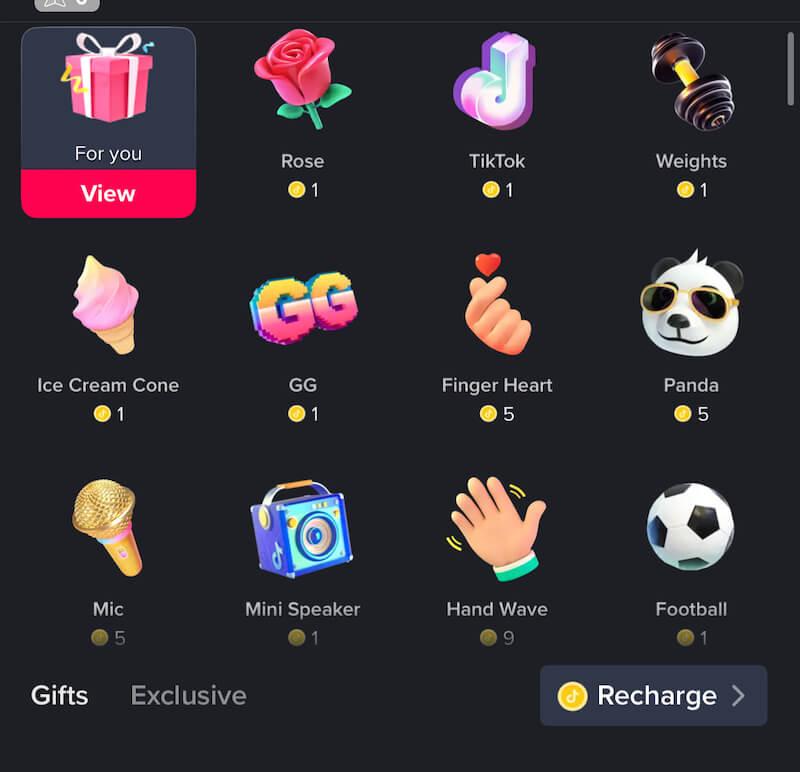
In recent years, the rapid evolution of social media platforms has reshaped the landscape of digital interaction and content consumption. Among these platforms, TikTok has emerged as a frontrunner, captivating a global audience with its short-form videos and innovative engagement features. One such feature that has garnered significant attention is TikTok’s virtual gifts system, which not only enhances user interaction but also serves as a pivotal monetization tool for creators. This article delves into the technological underpinnings of TikTok’s virtual gifts, exploring their design, functionality, and impact on user behavior. Furthermore, we will analyze the implications of this feature in the context of content monetization, examining how it empowers creators and fosters a new economy within the platform. By understanding the mechanics of virtual gifts, we can gain insights into the future of digital economies and the multifaceted relationship between technology, creativity, and commerce.
Table of Contents
- Understanding TikToks Virtual Gift Economy and Its Impact on User Engagement
- Analyzing the Technology Behind Virtual Gifts and Their Implementation Mechanisms
- Evaluating Monetization Strategies: Opportunities for Creators and Brands
- Optimizing Virtual Gift Strategies for Enhanced Revenue Generation and User Experience
- In Retrospect
Understanding TikToks Virtual Gift Economy and Its Impact on User Engagement
The virtual gift economy on TikTok operates as a fascinating intersection of technology, social interaction, and monetary value. This economy is primarily fueled by the platform’s ability to facilitate real-time interactions between creators and their audience. Key elements contributing to engagement include:
- In-app purchases: Users can buy virtual coins that are used to purchase gifts for their favorite creators during live streams.
- Emotional connection: Gifting serves as a way for fans to express appreciation and build a stronger bond with content creators.
- Influencer motivation: Creators are incentivized by the potential for financial gain, which can drive higher-quality content and increased frequency of posts.
This gifting structure enhances user engagement by encouraging a participatory culture within the app. Additional factors include the variety and customization of virtual gifts, which can range from simple icons to elaborate, themed items. Below is a table that summarizes some popular virtual gifts and their respective coin values:
| Gift Type | Coin Value |
|---|---|
| Heart | 1 coin |
| Fire | 5 coins |
| Rainbow Puke | 25 coins |
| Concert | 100 coins |
This structured economy not only amplifies creator revenue but also enhances the overall user experience, as participants feel more actively involved in the content creation process. By tapping into the cultural nuances of gifting, TikTok positions itself as a leader in digital entertainment, demonstrating how virtual economies can shape user behavior and platform dynamics.
Analyzing the Technology Behind Virtual Gifts and Their Implementation Mechanisms
The implementation of virtual gifts on platforms like TikTok relies on sophisticated technology that seamlessly integrates digital assets with user engagement. Each virtual gift is encoded as a unique digital token, allowing creators to receive gifts as a form of appreciation from their audience during live streams or video content. This system utilizes blockchain technology to ensure authenticity and provenance of gifts, while also facilitating secure peer-to-peer transactions. The gifts come in various forms, from simple animations to elaborate graphics, creating an immersive experience that fosters emotional connections between creators and their followers. Here are some key technological components involved in this system:
- Tokenization: Converts real-world currency to virtual tokens, enabling users to purchase gifts.
- Blockchain Ledger: Maintains transparency and trust in transactions.
- Real-Time Processing: Allows instant delivery of gifts during live interactions.
- User Interface (UI): Designed for easy gifting with intuitive accessibility.
Monetization strategies for virtual gifts extend beyond simple transactions. Platforms typically take a percentage from each purchase, which incentivizes them to promote gift-giving through algorithm-driven recommendations. Creators can also track the performance of their received gifts through analytics, offering insights into audience engagement and preferences. This data enables them to tailor their content and maximize earning potential. Below is a brief overview of the monetization model:
| Aspect | Description |
|---|---|
| Transaction Fee | Typically a percentage of each virtual gift purchase |
| Gift Tiering | Different gift levels correspond to varying monetary values |
| Creator Rewards | Incentives based on audience engagement metrics |
Evaluating Monetization Strategies: Opportunities for Creators and Brands
The rise of virtual gifts on platforms like TikTok has opened new avenues for creators and brands to monetize their content effectively. By embracing innovative technologies such as blockchain and in-app currencies, TikTok empowers its users to engage with creators in more meaningful ways. Creators can receive gifts from their audience during livestreams, turning viewers into supporters and creating a direct source of revenue. This not only enhances interactivity but also fosters a sense of community, as fans feel more connected to the creators they admire. Brands that collaborate with influencers can leverage this feature to boost their visibility, foster loyalty, and enhance their digital presence through sponsored gift campaigns.
For advertisers, there are several strategies to maximize the effectiveness of virtual gifts as a monetization tool. Key tactics include:
- Incentivized Gifting: Encourage fans to send gifts during promotional events.
- Exclusive Content: Offer special content or experiences for supporters who send virtual gifts, increasing viewer engagement.
- Brand Sponsorships: Partner with influencers to create branded virtual gifts that resonate with audiences and enhance brand recall.
Additionally, measuring the impact of these strategies via analytics is crucial. Using tools to track gift-giving patterns can help creators and brands refine their approaches and tailor content that resonates best with their target audiences. This data-driven approach ensures long-term success in user engagement and monetization.
| Monetization Strategy | Benefits |
|---|---|
| Incentivized Gifting | Increases viewer participation and revenue |
| Exclusive Content | Drives engagement and builds loyalty |
| Brand Sponsorships | Enhances brand visibility and recall |
Optimizing Virtual Gift Strategies for Enhanced Revenue Generation and User Experience
To unlock the full potential of TikTok’s virtual gifts, strategies must be crafted not only for revenue generation but also for enriching the overall user experience. Implementing dynamic pricing models can incentivize user engagement, allowing followers to send gifts of varying value. Features such as limited-time gift promotions or exclusive gift items can create urgency and enhance the perceived value of the gifts. Additionally, leveraging data analytics to track gift trends can help content creators tailor their offerings, ensuring they resonate with their audience’s preferences and motivations. This data-driven approach empowers creators to understand which gifts yield the highest revenue and which foster stronger community ties.
Moreover, integrating interactive elements such as gift contests, where users can compete for special rewards, can significantly boost participation and user enjoyment. Consider implementing an interactive leaderboard showcasing top gifters, incentivizing friendly competition and fostering a sense of belonging among users. A well-structured approach to feedback collection can also aid in refining gift strategies, allowing users to share their thoughts on new features and offerings. Utilizing surveys or direct engagement methods can guide updates and enhancements to the gifting system, aligning it more closely with user desires while driving sustained revenue growth.
In Retrospect
the exploration of TikTok’s virtual gifts presents a compelling intersection of technology, user engagement, and monetization strategies within the social media landscape. As creators harness these innovative features, the platform not only facilitates a unique form of digital reciprocity but also opens new avenues for revenue generation, enhancing the economic viability of content creation. The integration of augmented reality elements, user-friendly interfaces, and secure transaction systems underpin TikTok’s virtual gifting mechanism, fostering a dynamic ecosystem that promotes creativity while establishing robust financial incentives for users.
As the platform evolves, it will be essential for stakeholders, including developers, content creators, and advertisers, to continually assess the implications of these technological advancements. Understanding user behavior and adapting to the changing digital climate will be critical for maximizing the potential of virtual gifts. Ultimately, TikTok’s approach to monetization through virtual gifting not only exemplifies innovative economic strategies but also reflects broader trends in the digital economy, signifying a paradigm shift in how value is created and exchanged in online communities. As we look to the future, ongoing research and development will be crucial in optimizing this unique feature to enhance user experience while driving further engagement and profitability within the platform.