
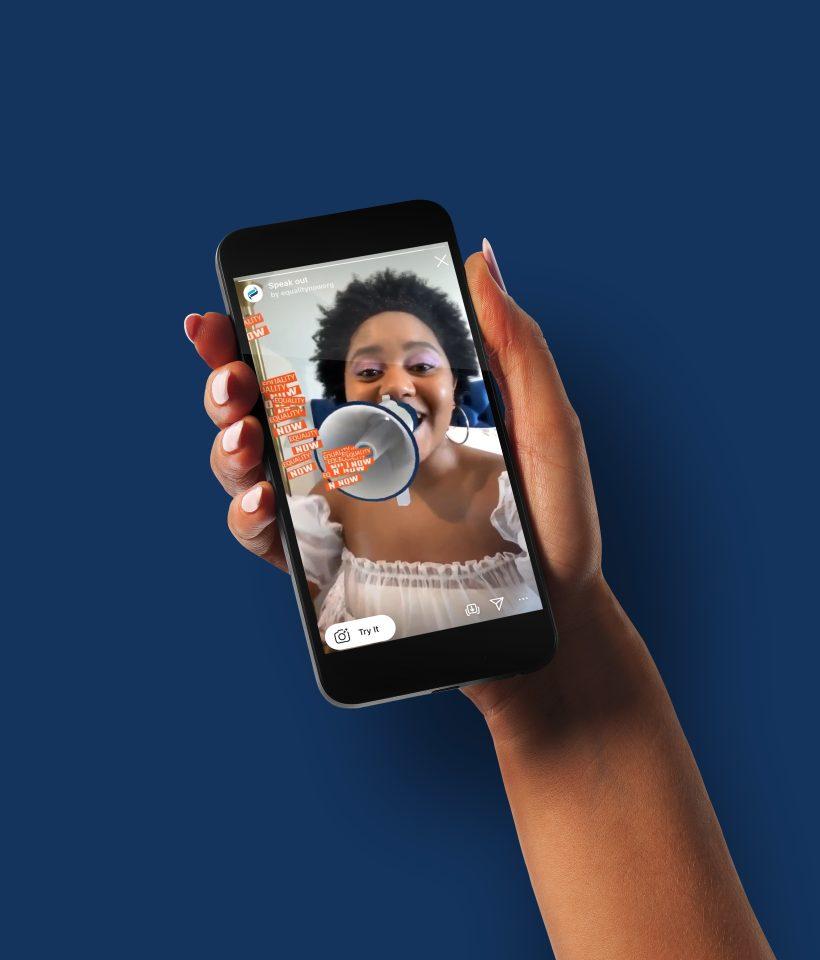
In recent years, TikTok has emerged as a groundbreaking platform at the intersection of social media and digital innovation, captivating millions of users worldwide with its engaging short-form videos. Central to its meteoric rise is the integration of augmented reality (AR) filters, which enhance user-generated content by blending digital elements seamlessly with the physical world. This article delves into the sophisticated technologies underpinning TikTok’s AR filters, including computer vision, neural networks, and real-time rendering techniques. We will explore how these advancements not only elevate the user experience but also pave the way for new creative possibilities in digital content creation. By analyzing the technical architecture and algorithms that power these immersive features, we aim to provide a comprehensive understanding of the innovative frameworks that are transforming how users interact with media today.
Table of Contents
- Advancements in Augmented Reality Technologies in Social Media Applications
- Mechanisms Behind TikTok’s Filter Creation and Deployment
- User Engagement Metrics and the Impact of AR Filters on Content Creation
- Best Practices for Brands to Leverage TikTok’s Augmented Reality Features
- In Summary
Advancements in Augmented Reality Technologies in Social Media Applications
In recent years, there have been significant advancements in augmented reality (AR) technologies, particularly within social media platforms like TikTok. The evolution of AR has empowered creators to enhance their digital content by integrating interactive elements that engage audiences on a deeper level. Key innovations influencing these developments include:
- Real-time image processing: This enables users to apply filters and effects that respond dynamically to their movements and expressions.
- Machine learning algorithms: These enhance the accuracy of facial recognition and object tracking, offering a more immersive experience.
- Depth-sensing technology: This allows for the layering of virtual objects within a 3D space, making interactions feel more lifelike.
As a result of these technological enhancements, TikTok’s AR filters have transformed user-generated content, allowing for creativity and personalization like never before. Among the standout features are:
| Feature | Description |
|---|---|
| Face Swap | Allows users to swap faces in real-time, creating entertaining and humorous interactions. |
| 3D Effects | Offers users the ability to place and manipulate virtual objects as if they exist in the real world. |
| Environment Filters | Integrates various virtual environments to enhance the storytelling aspect of videos. |
Mechanisms Behind TikTok’s Filter Creation and Deployment
The creation and deployment of TikTok’s augmented reality (AR) filters are underpinned by a combination of advanced technologies that seamlessly blend user interactivity with real-time graphics processing. Central to this process is computer vision, which enables the app to analyze the user’s facial features and movements. By leveraging techniques such as facial landmark detection and image segmentation, TikTok can accurately overlay virtual elements onto live video feeds. This processing is heavily reliant on machine learning algorithms that have been trained on vast datasets to understand various facial expressions and environments. Consequently, these AR filters can deliver effects that adapt to the user’s actions, enhancing engagement and creating a more immersive experience.
Once created, these filters undergo a meticulous deployment process that ensures compatibility across various devices and operating systems. TikTok utilizes a cloud-based infrastructure to host its filters, allowing for rapid updates and scalability. The deployment pipeline involves several key stages:
- Design and Optimization: Filters are designed to minimize computational load while maximizing visual appeal.
- Testing: Each filter is rigorously tested across a range of devices to ensure consistent performance.
- Monitoring and Feedback: User engagement is continuously monitored, and feedback is analyzed to refine existing filters or develop new ones.
| Filter Type | Description |
|---|---|
| Face Effects | Overlay elements like masks and makeup inspired by user facial features. |
| Background Filters | Change or enhance the video background with artistic environments. |
| Interactive Games | Filters that involve user participation, often requiring movement. |
User Engagement Metrics and the Impact of AR Filters on Content Creation
In recent years, user engagement metrics have become a critical element in evaluating the effectiveness of social media platforms, particularly TikTok. Augmented reality (AR) filters have emerged as a pivotal tool in enhancing user interaction, thereby significantly influencing content creation. When users engage with AR filters, they often share their experiences, leading to increased visibility and participation. This dynamic has fueled a creative ecosystem where users can:
- Enhance visual storytelling: AR filters allow creators to convey narratives in immersive ways.
- Encourage user participation: Customizable filters invite users to collaborate and engage with content.
- Boost viral trends: Filters can quickly spread popular themes, motivating users to join in.
The effectiveness of AR filters is easily quantifiable through various engagement metrics, such as views, shares, and comments. Analyzing these metrics provides insights into how AR applications shape content trends on the platform. A recent analysis of selected TikTok posts illustrates the significant correlation between the use of AR filters and increased user engagement:
| AR Filter Type | Average Views | Average Shares | Engagement Rate (%) |
|---|---|---|---|
| Face Filters | 20,000 | 500 | 10 |
| Background Effects | 15,000 | 350 | 8 |
| Interactive Filters | 25,000 | 800 | 12 |
This data highlights not only the popularity of different AR filters but also underscores their role in driving user-generated content—effectively making them a cornerstone of TikTok’s creative landscape.
Best Practices for Brands to Leverage TikTok’s Augmented Reality Features
To effectively utilize TikTok’s augmented reality features, brands should focus on creating engaging and interactive experiences that resonate with their target audience. This involves using AR filters that encourage user participation and sharing, thereby amplifying brand visibility. Consider the following strategies:
- Create Unique Filters: Develop custom AR filters that reflect your brand’s identity and values, fostering authentic connections with users.
- Incorporate User-Generated Content: Encourage users to create and share videos using your AR effects to increase engagement and organic promotion.
- Leverage Trends: Stay updated with the latest TikTok trends and incorporate relevant elements into your AR campaigns to enhance relatability.
- Collaborate with Influencers: Partner with TikTok influencers who align with your brand to reach their audiences and create buzz around your AR initiatives.
Implementing these practices can lead to increased engagement and loyalty. Additionally, tracking the performance of your AR campaigns is crucial. Utilize analytics to determine user interactions and adjust your strategies accordingly. The following table summarizes key metrics to monitor:
| Metric | Description |
|---|---|
| Engagement Rate | Percentage of users interacting with your AR content (likes, shares, comments). |
| Content Shares | Total number of times your AR filter is shared or used by other creators. |
| Follower Growth | Increase in brand followers attributed to AR campaign interactions. |
| Video Views | Number of views on videos utilizing your AR filters. |
In Summary
the exploration of the technology powering TikTok’s augmented reality (AR) filters reveals a multifaceted interplay of advanced algorithms, computer vision, and user-centric design. As we have examined, the platform’s ability to blend the virtual and real worlds is not merely a feat of creative expression but also a significant achievement in the field of digital technology. Through the use of machine learning and real-time rendering techniques, TikTok not only enhances user engagement but also sets a benchmark for social media applications striving to incorporate immersive experiences.
The rapid evolution of AR on TikTok signifies a broader trend within the tech industry—where interactivity and personalization are becoming paramount. As developers continue to innovate and refine these filters, we can anticipate even more sophisticated features that push the boundaries of user experience and creative possibilities. The implications are profound, reaching beyond entertainment into realms such as marketing, education, and even remote collaboration.
As we look to the future, the ongoing advancements in AR technology will undoubtedly pave the way for more intuitive, accessible, and transformative digital interactions. Understanding these technologies not only helps us appreciate the artistry behind the experiences but also prepares us for the next wave of innovations that will shape how we connect, communicate, and create in an increasingly digital world.