
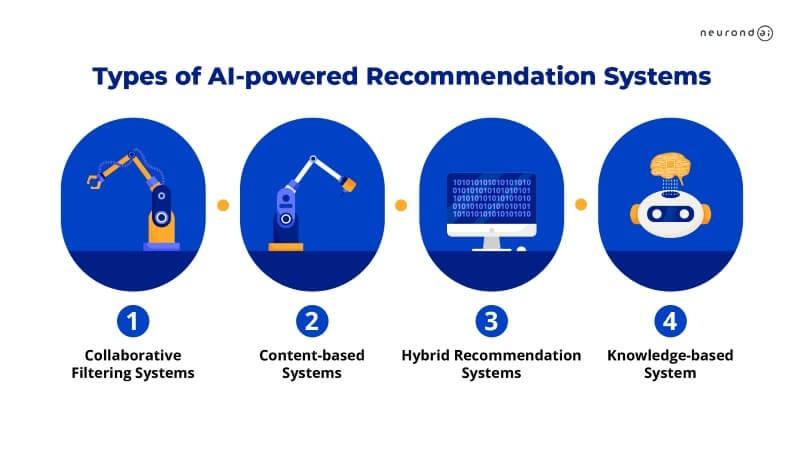
In the ever-evolving landscape of social media, TikTok has emerged as a dominant force, transforming the way users interact with digital content. Central to this platform’s success is its sophisticated recommendation system, which leverages artificial intelligence (AI) to deliver highly personalized experiences that captivate users. This article delves into the intricate mechanisms by which AI enhances user engagement on TikTok, examining the algorithms that analyze user behavior, preferences, and emerging trends to optimize content delivery. By dissecting the key AI-driven technologies that power TikTok’s recommendations, we aim to unveil the underlying principles that contribute to increased user interaction, retention, and satisfaction, while also addressing the implications of these advancements in the broader context of digital media consumption. As we explore the symbiotic relationship between AI and user engagement, we highlight the innovative strategies that are shaping the future of content discovery and user experience on this dynamic platform.
Table of Contents
- Understanding the Algorithm: How AI Powers TikToks Content Recommendations
- Personalization Techniques: Leveraging User Data for Tailored Experiences
- Enhancing Engagement Metrics: Measuring Success Through AI-Driven Insights
- Future Trends: The Evolving Role of AI in Shaping User Interaction on TikTok
- To Conclude
Understanding the Algorithm: How AI Powers TikToks Content Recommendations
The recommendation algorithm that powers TikTok is a complex system designed to analyze user behavior and preferences with incredible precision. By leveraging a blend of machine learning models and vast amounts of user data, AI identifies content that resonates with individual users. Key factors influencing these recommendations include:
- User Interactions: How users engage with videos—likes, shares, comments, and watch time—directly informs the algorithm about their preferences.
- Content Information: Metadata associated with each video, such as captions, hashtags, and sounds, helps categorize content more effectively.
- Device and Account Settings: Considerations like language preference and geographical location also play a role in tailoring content.
This sophisticated algorithm operates in real time, continuously learning and adapting to changing user behaviors. The efficacy of TikTok’s recommendations can be illustrated in a comparative table showcasing user engagement metrics:
| User Interaction Type | Impact on Recommendations |
|---|---|
| Likes | Boosts visibility of similar content |
| Shares | Increases reach beyond current followers |
| Comments | Indicates deeper engagement and interest |
| Watch Time | Signals content quality and relevance |
Personalization Techniques: Leveraging User Data for Tailored Experiences
The essence of modern digital engagement lies in the ability to tap into user data to create uniquely tailored experiences. TikTok exemplifies this through its sophisticated algorithms, which analyze a multitude of factors to craft personalized content feeds that resonate with individual users. By considering metrics such as watch duration, interaction frequency, and user-generated feedback, TikTok harnesses robust data analytics to identify user preferences. This results in a dynamic recommendation system that fosters deeper connections between the platform and its audience, enhancing user satisfaction and retention.
Central to this personalization strategy is the use of machine learning techniques that continuously refine recommendations based on real-time data. TikTok’s approach includes:
- User Behavior Analysis: Monitoring engagement patterns to understand what types of content attract more interactions.
- Content Categorization: Classifying videos into distinct genres and themes enabling users to discover new content aligned with their interests.
- A/B Testing: Experimenting with different recommendation strategies to identify the most effective methods for driving engagement.
To visualize the impact of these techniques, consider the following table highlighting average user engagement metrics pre- and post-implementation of these personalized strategies:
| Metric | Before Personalization | After Personalization |
|---|---|---|
| Average Watch Time (minutes) | 4 | 15 |
| Daily Active Users | 30M | 80M |
| User Retention Rate (%) | 25 | 55 |
Enhancing Engagement Metrics: Measuring Success Through AI-Driven Insights
As platforms like TikTok continue to refine their recommendation algorithms, leveraging artificial intelligence has become paramount in boosting user engagement metrics. By utilizing sophisticated machine learning models, TikTok is able to analyze vast amounts of user data, including interactions, watch times, and even audio preferences. This enables the platform to deliver personalized content that resonates well with users, creating a feedback loop that amplifies engagement. The dynamic nature of AI-driven insights allows for real-time adjustments, ensuring that content remains fresh and aligned with shifting viewer interests.
Important factors contributing to TikTok’s success in enhancing engagement include:
- Content Personalization: Tailored recommendations that adapt according to users’ behavior.
- Predictive Analytics: Anticipating trends and user preferences before they become mainstream.
- Time Optimization: Analyzing the best moments to deliver content to maximize visibility.
- User Interaction Analysis: Understanding what drives interactions through likes, shares, and comments.
| Metric | AI Impact |
|---|---|
| User Retention | Increased through relevant content delivery |
| Watch Time | Boosted with engaging and personalized feeds |
| Interaction Rate | Enhanced via targeted content selection |
Future Trends: The Evolving Role of AI in Shaping User Interaction on TikTok
As TikTok continues to dominate the social media landscape, the integration of artificial intelligence is becoming increasingly pivotal in enhancing user interaction. The platform utilizes sophisticated algorithms that analyze user behavior, enabling personalized content delivery that keeps users engaged. This is achieved through a multi-faceted approach, including:
- Behavioral Analytics: AI tracks user interactions, such as likes, shares, and viewing time to refine the content recommendation process.
- Content Optimization: By learning the nuances of trending topics and popular formats, AI can suggest content that is not only relevant but also likely to achieve virality.
- User Feedback Loop: Engaging features allow users to provide direct feedback on recommendations, which AI processes to further fine-tune the algorithm.
Furthermore, as user preferences evolve, AI is expected to embrace a dynamic learning process. This includes adapting to emerging trends and changes in user sentiment. To effectively implement these advancements, TikTok will likely focus on:
| Key Focus Areas | AI Applications |
|---|---|
| Content Diversity | AI will curate a wider range of themes and styles. |
| Real-time Response | AI can analyze and adapt recommendations in real-time based on live feedback. |
| Community Engagement | Targeted promotions of content based on community interests. |
By employing these strategies, TikTok is not only enhancing user engagement but also fostering a rich ecosystem where creativity thrives, ultimately reshaping the way users interact with digital content.
To Conclude
the integration of AI into TikTok’s recommendation system has not only revolutionized the platform’s user engagement strategy but has also set a new standard for digital interaction in social media. By leveraging complex algorithms, machine learning techniques, and user behavior analytics, TikTok epitomizes the potential of AI to create highly personalized content experiences that resonate deeply with users. As we continue to explore the evolving landscape of digital platforms, it is essential to recognize the pivotal role of AI in shaping user preferences and engagement metrics. Future advancements in this domain will likely yield even more sophisticated recommendation systems, enhancing the overall user experience while fostering a more vibrant and interactive community. Understanding and optimizing these AI-driven mechanisms will be crucial for content creators and marketers seeking to maximize their impact in an increasingly competitive environment. The intersection of AI and user engagement on platforms like TikTok not only provides valuable insights into consumer behavior but also underscores the importance of continual adaptation in the face of technological evolution.