
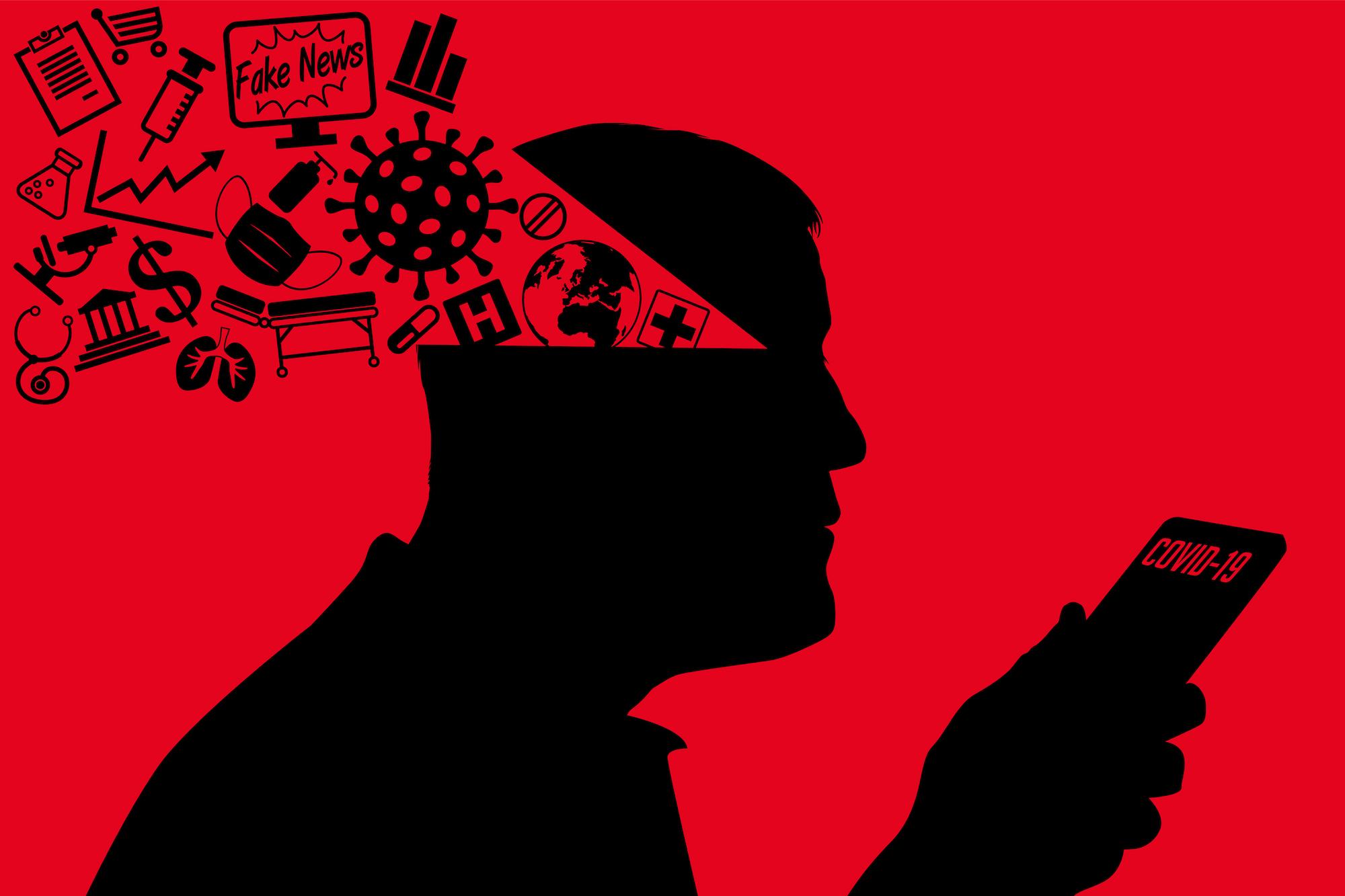
In an age where information spreads like wildfire, the battle against misinformation has never been more critical. Social media platforms, especially TikTok, have emerged as powerful channels for communication, offering both entertainment and a space for the dissemination of ideas. However, with this influence comes the responsibility of ensuring that users are not misled by false narratives. Recognizing the implications of misinformation on public perception and behavior, TikTok has taken proactive steps to address the challenges posed by fake news. In this article, we delve into TikTok’s innovative strategies and initiatives designed to combat misinformation, exploring how the platform is working to create a safer digital environment for its vibrant community of creators and viewers. Join us as we examine the landscape of misinformation, the efforts being made by TikTok, and what this means for the future of content consumption in the era of digital communication.
Table of Contents
- Understanding the Challenge of Misinformation on TikTok
- Analyzing TikToks Implementation of Fact-Checking Protocols
- Empowering Users: Tools and Features for Identifying Fake News
- Future Strategies for Enhancing Credibility and Trust on the Platform
- Future Outlook
Understanding the Challenge of Misinformation on TikTok
The rapid rise of TikTok as a dominant social media platform has created a unique environment where information can spread swiftly, but this also means that misinformation can circulate just as quickly. The platform’s short-form video format encourages creativity and engagement; however, it can often lead to the oversimplification of complex topics. Users may unwittingly share content that is misleading or false, which can have serious implications for public understanding of crucial issues such as health, politics, and social justice. This challenge is compounded by TikTok’s algorithm, which prioritizes content based on user engagement rather than its veracity, leading to a potential echo chamber effect. To combat this, awareness and educational initiatives are essential in equipping users with the tools to discern credible information from misleading content.
To address the issue of misinformation, TikTok has implemented several strategies designed to promote the responsible sharing of information. These include:
- Fact-Checking Partnerships: Collaborating with established fact-checking organizations to evaluate and flag misleading content.
- Information Labels: Adding labels to videos that contain content prone to misinformation, offering context and directing users to trustworthy resources.
- User Education Campaigns: Launching campaigns to educate users on how to recognize misleading information and understand the importance of verifying sources before sharing.
Additionally, TikTok encourages its community to play an active role by reporting suspected misinformation, fostering a collective responsibility for information accuracy. Through these initiatives, TikTok aims not only to mitigate the spread of fake news but also to cultivate a more informed user base that values truth and authenticity.
Analyzing TikToks Implementation of Fact-Checking Protocols
TikTok’s approach to combating misinformation is multi-faceted and built on a foundation of collaboration with fact-checking organizations. This strategy involves leveraging the expertise of third-party fact-checkers to verify the accuracy of content flagged by users. The platform implements a robust feedback mechanism, allowing users to report potentially misleading content, which is then subjected to a rigorous review process. By doing so, TikTok aims to not only address misinformation but also empower its community to actively participate in maintaining the integrity of information shared on the platform.
To further enhance its fact-checking efforts, TikTok has introduced a range of initiatives designed to promote media literacy among its users. These initiatives include:
- Information Centers: Dedicated resources within the app that educate users on common misinformation trends and teach them how to discern credible sources.
- Partnerships with Expertise: Collaborating with reputable organizations like the International Fact-Checking Network (IFCN) to ensure their fact-checking standards meet industry guidelines.
- User Engagement Programs: Hosting interactive campaigns that inform creators and audiences about the importance of verifying content.
This proactive stance not only mitigates the spread of fake news but also fosters a culture of responsible content consumption among TikTok’s vast user base.
Empowering Users: Tools and Features for Identifying Fake News
In the digital age, where information spreads rapidly, empowering users with the right tools to identify fake news has become crucial. TikTok introduces a range of innovative features aimed at enhancing media literacy among its users. These tools include built-in fact-checking prompts that appear when users engage with potentially questionable content, guiding them toward reliable sources. Additionally, TikTok’s partnership with third-party fact-checking organizations adds another layer of verification, allowing users to access validated information quickly and easily.
To further assist users in navigating the sea of information, TikTok has implemented interactive features such as community reporting and educational resources focused on media literacy. Users can report misinformation directly through the app, which will then be scrutinized by the platform’s moderators. The app also offers simple tutorials and tips on how to distinguish between credible and non-credible sources, fostering a community that values accurate information. Below is a quick overview of some of these empowering features:
| Feature | Description |
|---|---|
| Fact-Checking Prompts | Alerts users when engaging with potentially misleading content. |
| Community Reporting | Allows users to report misinformation for review. |
| Educational Tutorials | Provides users with tips on identifying credible sources. |
Future Strategies for Enhancing Credibility and Trust on the Platform
To enhance credibility and trust on the platform, TikTok must continually strengthen its collaboration with fact-checkers, academic institutions, and media organizations. By fostering partnerships with reputable entities, TikTok can establish a reliable framework for assessing the accuracy of content circulating on its platform. This collaboration could include:
- Enhanced Fact-Checking Initiatives: Collaborate with third-party fact-checkers to verify trending content before it gains widespread traction.
- Educational Campaigns: Implement campaigns to educate users about recognizing misinformation and utilizing credible sources.
- User Reporting Mechanisms: Empower users to report suspected misinformation, facilitating quicker community moderation.
Additionally, TikTok can leverage advanced algorithms to identify and flag content that appears to be misleading. A transparent approach to algorithm development and user-facing tools will provide users with insights into how content is generated and shared. Incorporating features such as:
- Content Origin Tracking: Enable users to see the source of shared videos and how information has evolved over time.
- Data Literacy Resources: Offer resources and skills training on digital literacy, allowing users to navigate content critically.
- Community-Driven Reviews: Encourage users to participate in a review system where they can validate content authenticity through collaborative assessment.
Future Outlook
TikTok’s proactive strategies to combat misinformation represent a crucial step in fostering a more informed digital landscape. By implementing advanced algorithms, partnering with fact-checkers, and educating users about the nuances of content verification, the platform acknowledges its responsibility in curbing the spread of fake news. As we navigate an increasingly complex information environment, TikTok’s efforts serve as a model for other social media platforms grappling with similar challenges. It is essential for users to remain vigilant and critical of the information they consume, and to utilize the tools provided by the platform to discern fact from fiction. By working together, both platforms and users can contribute to a more truthful and reliable online community. Let’s continue to champion the pursuit of accuracy and integrity in our digital interactions—because a well-informed society is the best defense against the tide of misinformation.