
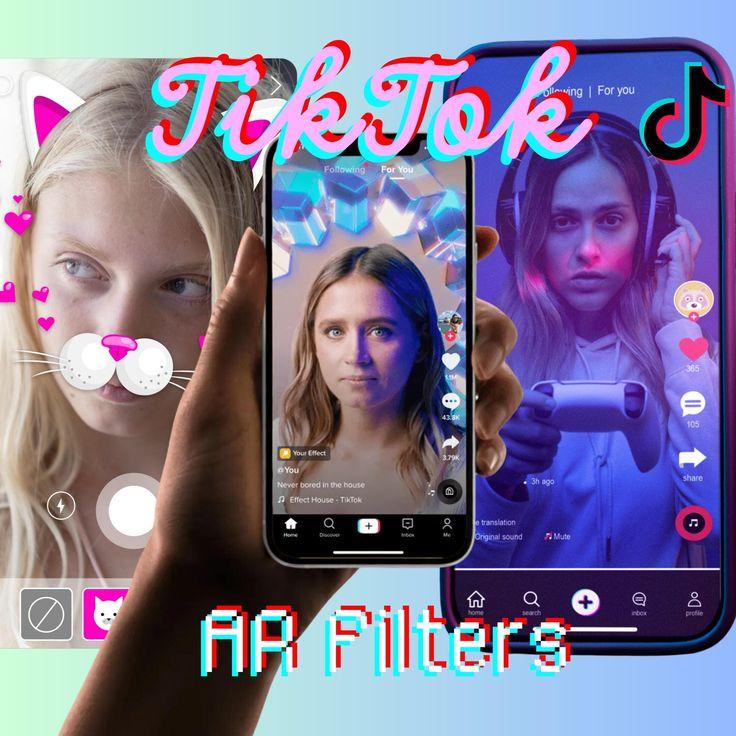
Comparing Creative Filters: TikTok vs. Snapchat Effectiveness
In the ever-evolving landscape of social media, platforms continue to innovate in the realm of visual content creation, with filters and effects playing a pivotal role in user engagement and expression. Among the frontrunners of this phenomenon, TikTok and Snapchat have emerged as powerhouses, each offering a unique set of creative filtering tools. As brands and creators increasingly turn to these features to captivate audiences, understanding the effectiveness of TikTok’s dynamic filters versus Snapchat’s pioneering lenses becomes essential. This article delves into a comprehensive comparison of these two platforms, exploring their respective capabilities, user experiences, and overall impact on content creation and consumption. By analyzing engagement metrics, user feedback, and creative potential, we aim to provide insights into how these platforms not only enhance personal expression but also shape the future of digital storytelling.
Table of Contents
- Analyzing User Engagement Metrics Between TikTok and Snapchat Filters
- Evaluating the Unique Creative Features Offered by Each Platform
- Understanding Audience Demographics and Their Preference for Filters
- Recommendations for Maximizing Creative Filter Impact on Both Platforms
- The Way Forward
Analyzing User Engagement Metrics Between TikTok and Snapchat Filters
The rise of short-form video platforms has transformed the landscape of social media, and user engagement metrics are crucial in understanding the effectiveness of various features like filters. TikTok, known for its extensive library of creative effects, showcases high levels of engagement measured through likes, shares, and comments, attributed to the platform’s innovative use of filters that encourage user participation. Users spend an average of 52 minutes per day on TikTok, with 23% of that time dedicated to experimenting with filters and effects. This highlights the platform’s reliance on visual creativity as a means to enhance user experiences and foster community interaction.
In contrast, Snapchat has built its brand around augmented reality (AR) filters, which are integral to its identity. The app boasted a staggering 75% engagement rate for AR filter usage among its active users, with an average of 33% of those users creating content using filters daily. These figures reflect Snapchat’s focus on real-time user interaction, with its filters designed to create spontaneous, ephemeral moments. A comparison of average engagement metrics reveals:
| Platform | Average Time Spent (Minutes) | User Interaction Rate (%) | Daily Filter Use Rate (%) |
|---|---|---|---|
| TikTok | 52 | 23 | 20 |
| Snapchat | 30 | 75 | 33 |
This data underscores the differing approaches these platforms take to user engagement, with TikTok focusing on longer engagement through creative content consumption, while Snapchat prioritizes instantaneous interactions through AR experiences.
Evaluating the Unique Creative Features Offered by Each Platform
Both TikTok and Snapchat have carved niches for themselves in the creative world, offering distinctive features that cater to different audiences. TikTok’s innovative video editing capabilities allow users to seamlessly blend music, effects, and transitions, creating dynamic content in a matter of minutes. Unique features include:
- Duet and Stitch: Enabling collaboration between users, enhancing engagement.
- AR Effects: An extensive library of augmented reality filters that can transform scenes into captivating experiences.
- Text and Voiceovers: Users can easily annotate their videos and add narrations, broadening their storytelling potential.
On the other hand, Snapchat’s approach to creativity is heavily centered around real-time interaction and user-generated content. Its ephemeral nature encourages spontaneous creativity, leading to unique features such as:
- Snap Map: Allows users to discover creativity rooted in geographical contexts through location-based stories.
- Bitmoji Integration: Personalization through customizable avatars enhances self-expression in a playful manner.
- Custom Filters: Users can create filters tailored to their events, fostering a strong sense of community involvement.
Understanding Audience Demographics and Their Preference for Filters
To effectively engage audiences on social media platforms like TikTok and Snapchat, it is essential to understand the various demographics that utilize these apps and their specific preferences for creative filters. TikTok primarily attracts a younger audience, particularly Generation Z and millennials, who favor bold and expressive filters that allow for self-expression and creativity. This demographic enjoys short, captivating videos that highlight artistic flair, often gravitating towards filters that create a sense of fun and vibrancy. In contrast, Snapchat appeals to a broader age range, including both teenagers and young adults, who largely seek out filters that enhance reality, such as augmented reality (AR) effects that complement their social interactions.
The engagement metrics of both platforms reflect these preferences distinctly. For instance, TikTok users frequently prefer filters that transform their appearance dramatically, allowing for playful character-like portrayals. Meanwhile, Snapchat users often lean towards filters that provide seamless enhancements to their images, like face smoothing or fun animal features, aiming for spontaneous sharing in their everyday moments. Below is a comparative overview of audience engagement with filters on these two platforms:
| Filter Preference | TikTok | Snapchat |
|---|---|---|
| Age Group | Primarily Gen Z and Millennials | Broader, including Teens and Young Adults |
| Favorite Filter Type | Bold and Colorful | Augmented Reality Enhancements |
| Usage Purpose | Creative Expression | Casual Interaction |
This understanding of audience demographics and their unique filter preferences can greatly inform marketing strategies aimed at maximizing engagement on either TikTok or Snapchat, tailoring content to play into the specific desires of users on each platform.
Recommendations for Maximizing Creative Filter Impact on Both Platforms
To enhance the visibility and engagement of creative filters on both TikTok and Snapchat, it’s essential for brands to tailor their content strategy for each platform. On TikTok, consider leveraging trending sounds and challenges to create filters that resonate with the current user interests. By utilizing TikTok’s algorithm effectively, brands can capitalize on the virality of content, resulting in higher chances of user-generated videos featuring their filters. Additionally, partnerships with popular creators can amplify reach, providing authentic endorsement and increased creativity in filter use.
Conversely, Snapchat’s audience values simplicity and interactivity. To maximize impact, focus on filters that invite users to interact in a meaningful way. This can include gamified elements that encourage users to share their experiences with friends. Furthermore, incorporating geolocation filters that change based on user location can enhance local relevance. Here are some key strategies to implement:
- Utilize trending themes: Align filters with current events or popular trends.
- Collaborate with influencers: Partner with creators whose audiences align with your target market.
- Promote user-generated content: Encourage users to share their creative uses of filters through contests.
- Analyze performance metrics: Use analytics to continually optimize filter effectiveness.
The Way Forward
the effectiveness of creative filters on TikTok and Snapchat emerges not solely from the filters themselves but from their integration into the broader user experience and platform dynamics. TikTok’s algorithm-driven feed amplifies captivating content, allowing users to engage with innovative filters that enhance storytelling and creativity. Conversely, Snapchat’s emphasis on ephemeral content cultivates a more intimate use of filters that can foster spontaneous creativity among users.
Ultimately, the choice between TikTok and Snapchat hinges on the user’s objectives—whether one seeks to create binge-worthy content that can go viral or to craft personal moments that are shared fleetingly with friends. Both platforms offer unique strengths in their approach to creative filters, and understanding these nuances can enable users, brands, and marketers to leverage the right tools for their specific goals. As social media continues to evolve, keeping an eye on how these platforms develop their filtering technologies will be crucial for anyone looking to maximize their creative expression in an increasingly digital world.