
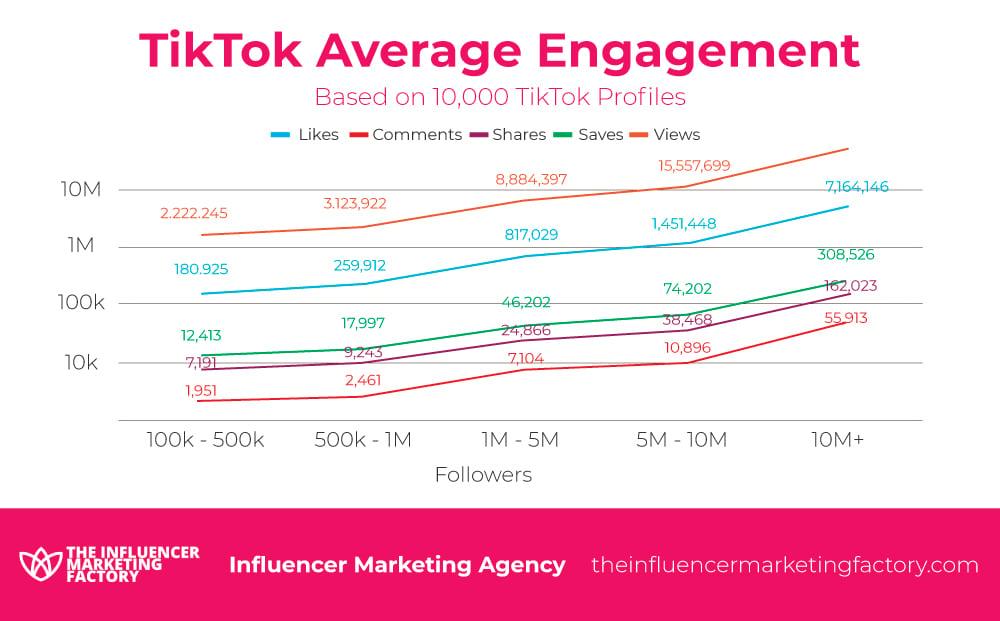
Title:
In the rapidly evolving landscape of digital communication, social media platforms have revolutionized how individuals and brands engage with audiences. Among the myriad of platforms, TikTok has emerged as a formidable contender, distinguishing itself with its innovative approach to content creation and user interaction. This article seeks to delve into the nuances of engagement on TikTok compared to traditional social media platforms, such as Facebook, Instagram, and Twitter. By examining various metrics, including user interaction rates, content virality, and demographic reach, we aim to provide a comprehensive understanding of how these platforms facilitate connection and engagement. Ultimately, this comparison will shed light on the unique strengths and challenges each medium presents, empowering marketers and users alike to navigate the complexities of modern social engagement.
Table of Contents
- Analyzing User Interaction Metrics Across Platforms
- Exploring Content Virality: TikToks Unique Edge
- Audience Demographics and Engagement Trends
- Strategies for Optimizing Engagement on Both Platforms
- Concluding Remarks
Analyzing User Interaction Metrics Across Platforms
Understanding user interaction metrics between TikTok and traditional social media platforms reveals substantial differences in how audiences engage with content. TikTok, with its short-form video focus, often results in heightened levels of viewer engagement characterized by rapid content consumption and viral trends. Users frequently spend hours scrolling through content, driven by an algorithm that prioritizes personalized recommendations. This fosters an environment where engagement metrics such as likes, shares, and comments can escalate quickly. Traditional platforms, on the other hand, see a more varied interaction rate. Users might engage through longer posts, images, or videos, which typically leads to less immediate interaction. Factors such as platform design and type of content play a significant role in shaping these engagement dynamics.
To better illustrate these differences, here is a comparison table of average engagement metrics:
| Platform | Average Likes per Post | Average Comments per Post | Engagement Rate |
|---|---|---|---|
| TikTok | 1200 | 150 | 17% |
| 300 | 30 | 3.5% | |
| 250 | 15 | 1.5% |
This concise overview underscores TikTok’s unique ability to generate engagement, positioning it as a potent player in the social media landscape. Conversely, traditional platforms, though still relevant, face challenges in fostering the same level of rapid interaction that characterizes TikTok. Thus, brands aiming to connect effectively with their audience must consider these platform-specific dynamics when crafting their social media strategies.
Exploring Content Virality: TikToks Unique Edge
In the fast-paced world of social media, TikTok has emerged as a frontrunner in fostering engagement through its unique algorithm and content format. Unlike traditional platforms that often prioritize follower count and established networks, TikTok’s algorithm is designed to promote content based on *user interactions*, *interests*, and *trends.* This means that even those with minimal followers can achieve unprecedented viral reach if their content resonates with viewers. Key factors contributing to TikTok’s virality include:
- Short-Form Video Content: Captivates quickly, encouraging users to consume more.
- Challenges and Trends: Users can easily participate in viral challenges, boosting communal engagement.
- Seamless Sharing: The ability to share TikToks across various platforms enhances discoverability.
On the other hand, traditional social media platforms often rely on a more static approach to content dissemination. Posts may get lost in users’ feeds, and the social dynamics are heavily influenced by existing connections. Furthermore, engagement metrics like likes and shares can be misleading, as they often favor those who already hold a considerable audience. The table below offers a comparison of engagement features across TikTok and traditional social media platforms:
| Feature | TikTok | Traditional Social Media |
|---|---|---|
| Content Type | Short Videos | Variety (Photos, Videos, Text) |
| Algorithm Focus | Engagement & Trends | Follows & Networks |
| Viral Potential | High | Moderate |
| User Engagement | Active Participation | Passive Consumption |
Audience Demographics and Engagement Trends
When analyzing audience demographics, TikTok stands out with its predominantly younger user base. According to recent studies, around 60% of TikTok users are aged between 16 and 24, making it exceptionally appealing for brands targeting Generation Z. In contrast, traditional social media platforms like Facebook and Twitter exhibit a more diverse age range, with significant participation from older adults. The following points illustrate some key demographics for both platforms:
- TikTok: 16-24 years – 60%, 25-34 years – 24%
- Facebook: 25-34 years – 31%, 35-44 years – 23%
- Instagram: 18-24 years - 33%, 25-34 years – 29%
In terms of engagement trends, TikTok fosters a unique environment of rapid, high-impact interactions, averaging over 52 minutes of daily usage per user. Its short-form video format drives higher engagement rates, as users are likely to view, share, and comment on content more frequently than on traditional platforms. This is contrasted by Facebook and Twitter, which see lower engagement per user, often averaging just 38 minutes and 30 minutes respectively. The following table highlights the stark differences in user engagement:
| Platform | Average Daily Usage (minutes) | Engagement Rate |
|---|---|---|
| TikTok | 52 | 8.5% |
| 38 | 4.2% | |
| 30 | 3.5% |
Strategies for Optimizing Engagement on Both Platforms
To elevate user engagement on both TikTok and traditional social media platforms, brands must tailor their strategies to capitalize on the unique characteristics of each medium. Utilizing short-form video content on TikTok should be prioritized, as this format thrives on authenticity and creativity. Users are drawn to playful, relatable content that feels candid rather than polished. Brands can adopt trends or challenges, create behind-the-scenes clips, and involve their audience through duets or stitch features to bolster interaction. In contrast, traditional platforms like Facebook and Instagram benefit from visually appealing posts that include high-quality images, detailed captions, and the strategic use of hashtags. Building a consistent aesthetic and voice across these channels can lead to stronger brand recognition and community engagement.
Additionally, engagement strategies should incorporate interactive elements on both fronts. On TikTok, leveraging polls, questions, and live sessions can effectively invite user participation, encouraging viewers to engage directly with content. Brands can further enhance their visibility by collaborating with influencers who resonate with their target audience, fostering a sense of community and trust. On the flip side, traditional social media can implement stories and live video features to maintain audience interest and prompt real-time interaction. Initiating conversations through comments or hosting Q&A sessions can serve as valuable touchpoints for deeper connection. Ultimately, recognizing the strengths of each platform and adapting content accordingly enables brands to optimize engagement and create meaningful relationships with their audiences.
Concluding Remarks
the comparison between TikTok and traditional social media platforms reveals significant differences in user engagement dynamics and content consumption patterns. While traditional platforms such as Facebook and Instagram have established their foothold with a focus on connection and community building, TikTok has emerged as a disruptive force, captivating audiences with its short-form, algorithm-driven content that prioritizes virality and immediacy.
TikTok excels in fostering rapid engagement through its immersive video content, offering a unique blend of creativity and entertainment that resonates particularly with younger demographics. Its format encourages spontaneous interactions and trends, redefining how users perceive and engage with digital content. Conversely, traditional social media continues to play a vital role in fostering deeper connections and promoting longer-form narratives, which can yield meaningful engagement over time.
Ultimately, the choice between TikTok and traditional platforms may depend on individual and brand objectives. For those seeking to tap into fast-paced, viral trends and reach a broad audience quickly, TikTok presents an unparalleled opportunity. Meanwhile, brands aiming for sustained engagement and community cultivation may find more value in the established frameworks of traditional social media. As both realms continue to evolve, understanding their distinct engagement strategies will be crucial for marketers, content creators, and users alike in navigating the digital landscape effectively.