
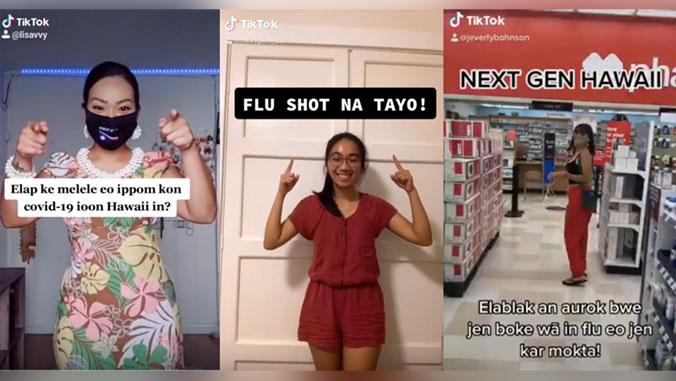
In the rapidly evolving landscape of social media, TikTok has emerged as a distinctive platform, particularly notable for its viral challenges that captivate millions globally. While platforms like Instagram and Snapchat offer fleeting trends and challenges, TikTok’s approach to user engagement stands out due to its unique blend of creativity, accessibility, and community interaction. This article aims to compare TikTok challenges with those from other social media platforms, examining how TikTok’s algorithms, video format, and user demographics contribute to the originality and virality of its challenges. By exploring the nuanced differences and similarities in challenge dynamics across these platforms, we can gain deeper insights into the social fabric of digital interaction and the evolving nature of online engagement. Through a professional lens, we will evaluate what sets TikTok challenges apart, ultimately shedding light on their impact on social media culture as a whole.
Table of Contents
- Exploring the Distinctive Nature of TikTok Challenges in the Social Media Landscape
- Assessing Engagement Metrics: TikTok Challenges Versus Other Platforms
- Cultural Impact and Trends: How TikTok Challenges Define Global Participation
- Best Practices for Brands: Maximizing Reach Through TikTok Challenge Campaigns
- The Conclusion
Exploring the Distinctive Nature of TikTok Challenges in the Social Media Landscape
In the realm of social media, TikTok challenges have carved out a distinctive niche that sets them apart from other platforms. Unlike typical viral trends seen on sites like Instagram or Facebook, TikTok challenges often combine artistry with a sense of community engagement. The use of catchy music, quick editing techniques, and a strong visual storytelling element fosters a unique way for users to create and participate. This leads to a vibrant culture where creativity flourishes, encouraging participation across diverse demographics. The tempo and format of TikTok videos emphasize spontaneity and flair, pushing users to innovate in ways that static posts or curated photo feeds cannot.
The viral nature of TikTok challenges also hinges on their inherent fun and relatability. Many challenges emerge organically, often based on current events or popular cultural references, which resonates with users in an immediate way. In comparison to traditional hashtag challenges on platforms like Twitter, TikTok’s format allows for a greater flexibility in expression, thus inviting an exploration of various themes such as humor, dance, or social commentary. Below is a comparison highlighting key differences between TikTok challenges and typical challenges on other social media platforms:
| Aspect | TikTok Challenges | Other Platforms |
|---|---|---|
| Format | Short videos, often with music | Text, images, sometimes short videos |
| Engagement | High interaction through duets and collaborations | Generally lower interaction levels |
| Creativity | Emphasizes creativity and spontaneity | Can be more scripted or curated |
| Virality | Fast spread through trends and sounds | Slower spread, usually through hashtags |
Assessing Engagement Metrics: TikTok Challenges Versus Other Platforms
When evaluating engagement metrics across social media platforms, TikTok stands out significantly due to its unique challenge mechanisms. Unlike traditional platforms like Facebook or Instagram, where interaction often relies on likes, shares, and comments, TikTok fosters a vibrant culture built around user-generated content through challenges. These challenges not only encourage participation but also amplify reach through virality. The metrics derived from TikTok challenges often showcase a higher connection between video views and user involvement, leading to increased follower growth and brand awareness. This phenomenon can be attributed to several factors:
- Short-form content: TikTok’s emphasis on creativity within brief clips leads to higher consumption rates.
- Community engagement: Challenges create a sense of belonging and peer interaction.
- Algorithm efficiency: The platform’s algorithm promotes trending challenges to users, enhancing visibility.
In contrast, platforms like Twitter or Snapchat tend to prioritize velocity over depth of engagement, relying heavily on real-time updates and conversations. While Twitter excels in facilitating discussions, its engagement often averages lower than TikTok’s when comparing similar challenge-based posts. Snapchat’s ephemeral nature limits user interaction, focusing instead on momentary connection rather than sustained engagement. To illustrate these differences, consider the table below that summarizes average engagement per challenge post across TikTok, Instagram, and Twitter.
| Platform | Average Engagement Rate | Types of Challenges |
|---|---|---|
| TikTok | 30% | Dance, Lip-sync, Creative |
| 15% | Photo, Hashtag, Stories | |
| 8% | Text, Polls |
Cultural Impact and Trends: How TikTok Challenges Define Global Participation
TikTok challenges have transcended mere trends on social media, becoming pivotal cultural phenomena that foster global participation. Unlike other platforms, the unique format of TikTok encourages rapid engagement through short-form videos, allowing users worldwide to contribute to challenges in real time. This immediacy not only broadens participation but also facilitates cultural exchanges, as users from different backgrounds remix and reinterpret challenges through their own cultural lenses. Some of the most compelling aspects of these challenges include:
- Accessibility: TikTok’s user-friendly interface empowers even those with limited skills to partake.
- Global Reach: Trends can start in one country but quickly ripple across continents, highlighting shared interests.
- Cultural Fusion: Users blend elements from diverse cultures, creating new forms of expression.
Moreover, TikTok challenges often serve as a reflection of societal movements, illustrating how digital platforms can influence real-world interactions. For instance, challenges like #BlackLivesMatter and #SavetheAmazon have utilized viral potential to raise awareness and inspire collective actions, underscoring the platform’s role as a catalyst for social change. To further understand this cultural impact, we can examine some key challenges and their effects:
| Challenge | Theme | Impact |
|---|---|---|
| #InMyFeelingsChallenge | Dance | Boosted local and global viral dance cultures. |
| #IceBucketChallenge | Philanthropy | Raising millions for ALS research. |
| #StayHomeChallenge | Health Awareness | Encouraged social distancing during the pandemic. |
Best Practices for Brands: Maximizing Reach Through TikTok Challenge Campaigns
To effectively leverage TikTok challenge campaigns, brands should focus on integrating their identity into the challenge while encouraging authentic engagement. Originality is key; crafting unique hashtags or themes that resonate with your target audience can significantly enhance participation. By understanding the platform’s trends, brands can curate challenges that feel organic rather than contrived. Moreover, collaborating with influencers can amplify your campaign’s reach. Influencers not only bring their followers into the mix but also add credibility, as their audience is more likely to trust their endorsements.
Furthermore, tracking the success of these campaigns requires robust analytics. Brands should pay close attention to engagement metrics, such as views, likes, shares, and conversion rates, to assess the impact of their challenge. Iterating based on feedback is vital; examining what worked and what didn’t can guide future campaigns. Consider employing A/B testing with different challenge formats or themes to ascertain which garners more attention. A well-structured analysis framework might look like the following:
| Challenge Element | Success Metric | Analysis |
|---|---|---|
| Hashtag Creativity | Engagement Rate | Review top-performing hashtags |
| Influencer Participation | Follower Growth | Monitor influencer interactions |
| Content Format | Share Rates | Identify preferred video styles |
The Conclusion
the landscape of TikTok challenges serves as a compelling case study in the broader context of social media engagement. While platforms like Instagram and YouTube offer their own forms of user-generated content, TikTok’s unique algorithm and format cultivate an environment where challenges not only thrive but evolve rapidly, setting them apart from traditional social media tropes. The spontaneous creativity and collaborative spirit inherent in TikTok challenges foster a distinctive cultural expression that resonates with a diverse global audience.
As we have explored, the significance of these challenges extends beyond mere entertainment; they reflect broader societal trends, drive collective participation, and enable the emergence of niche communities. The comparative analysis underlines that while other platforms may facilitate viral content, it is TikTok’s specific mechanics that elevate challenges to a phenomenon worthy of both study and admiration. As the digital landscape continuously shifts, it will be fascinating to observe how TikTok challenges will further redefine social media interaction, paving the way for innovative forms of engagement that balance authenticity with entertainment.